DogLab
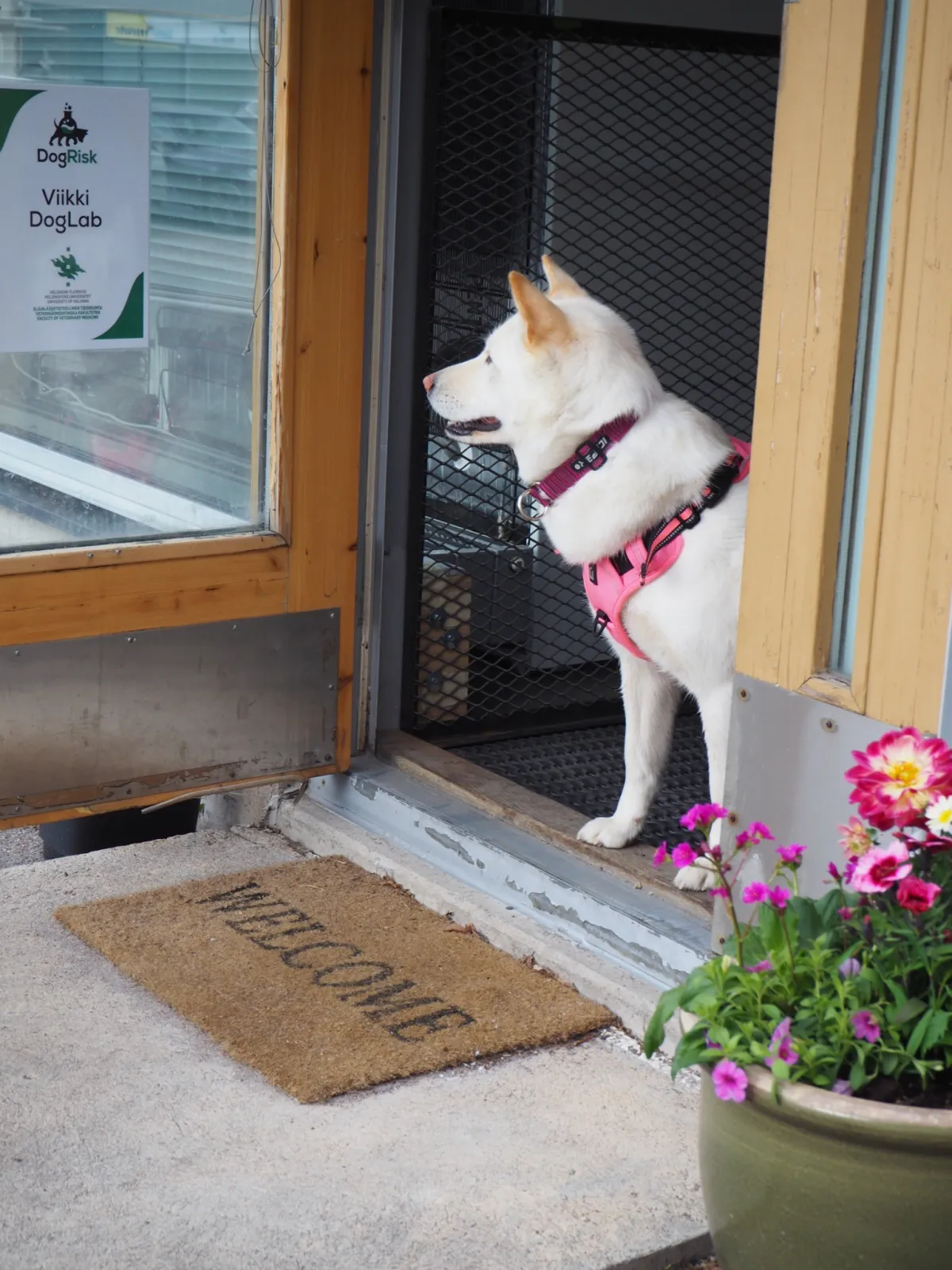
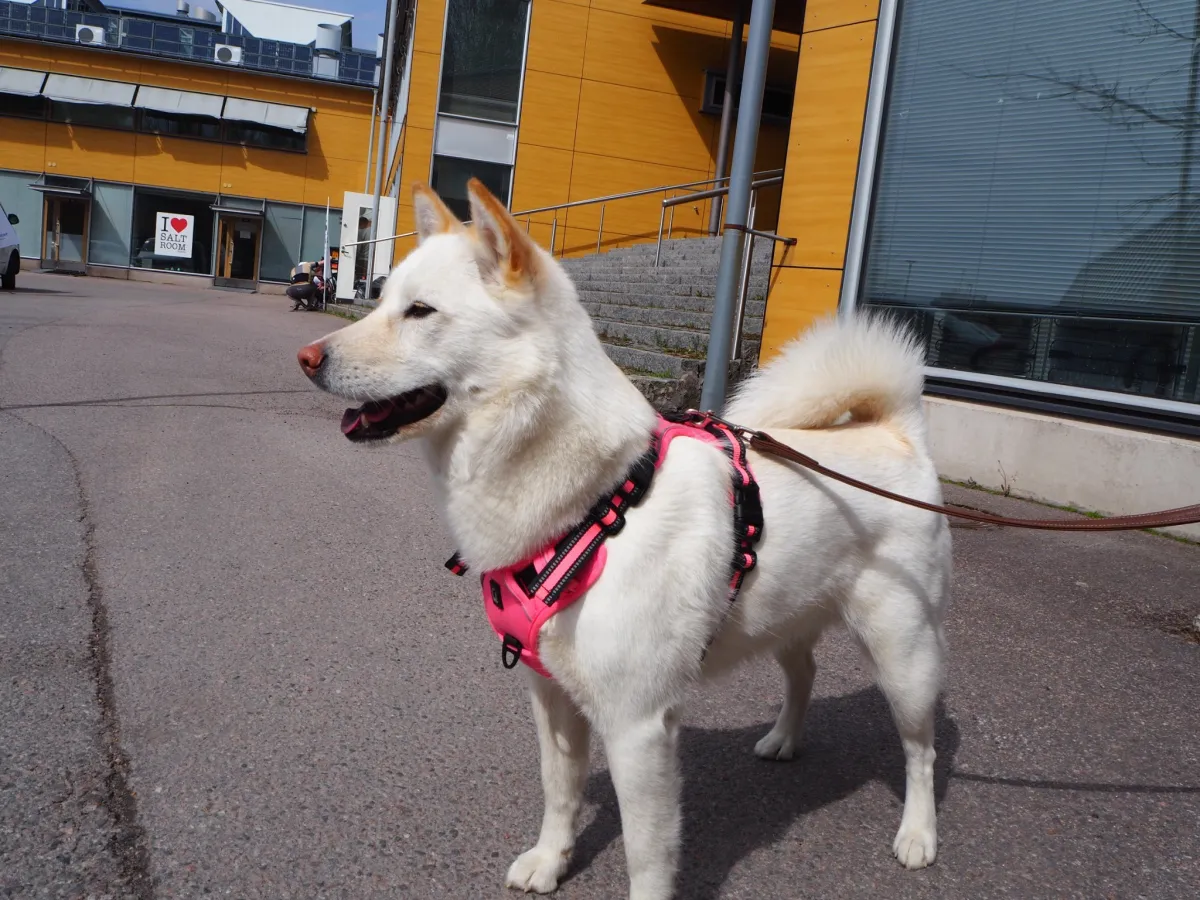
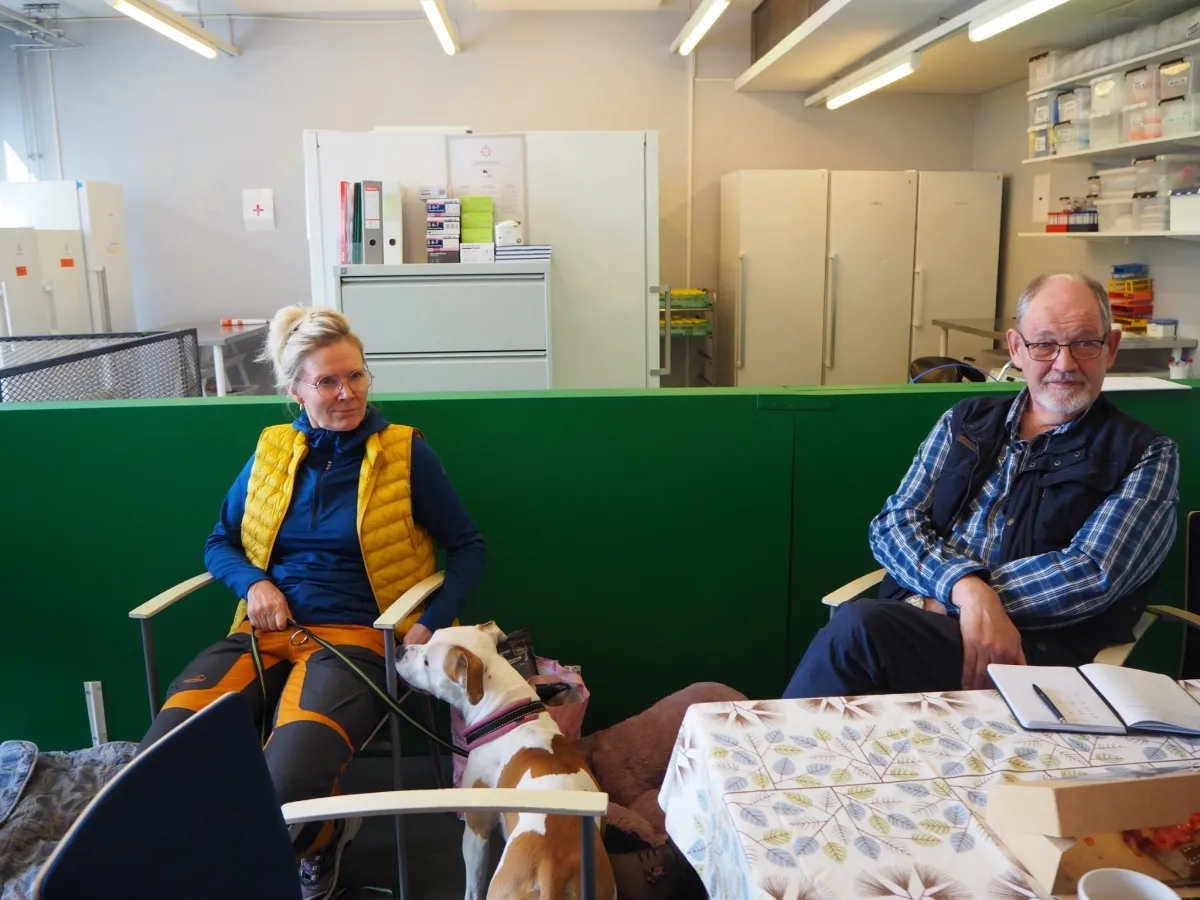
DogLab is a specialised research and training facility located in Viikki Campus at the University of Helsinki. It operates at the intersection of two equally important areas: nutrition and clinical research, and medical scent detection using trained dogs.
DogLab is part of the
DogLab also supports multidisciplinary One Health research by enabling clinical and nutrition-related studies alongside the training and validation of medical scent detection dogs. The facility aims to advance evidence-based research that benefits both animal and human health while promoting high standards of animal welfare and ethical research practices.
The DogRisk research program is a multidisciplinary Finnish research initiative with two focus areas:
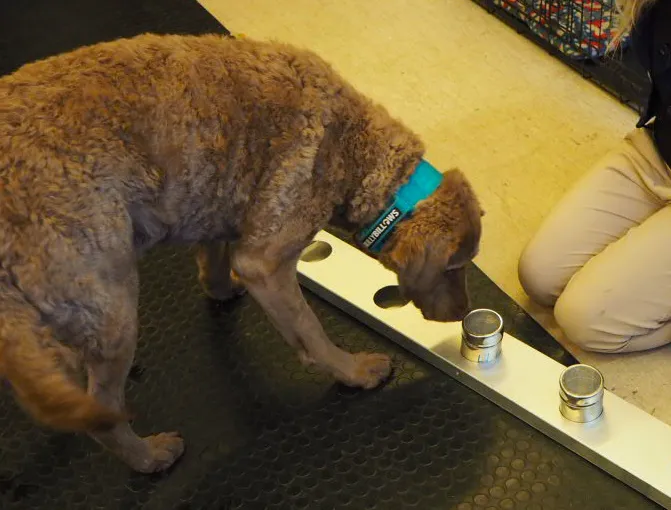
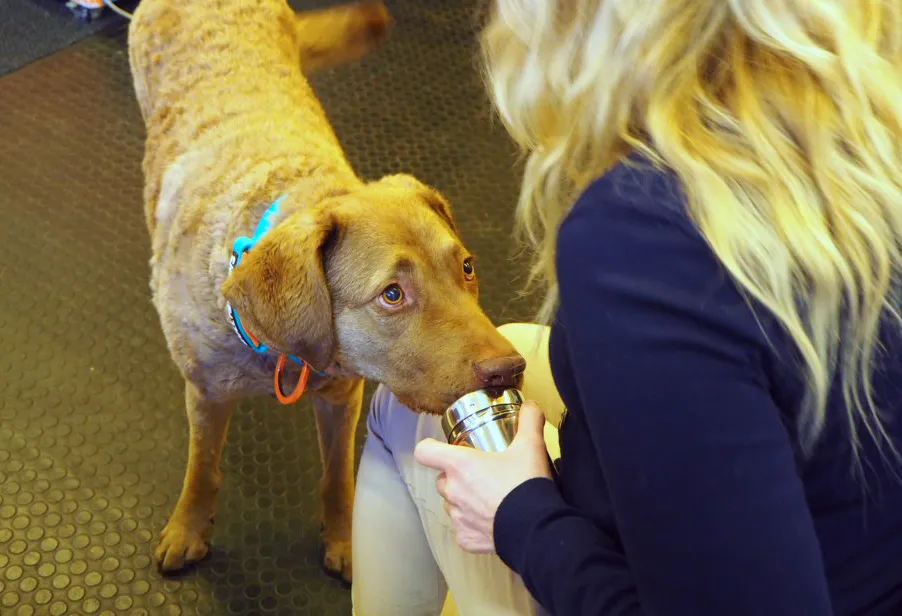
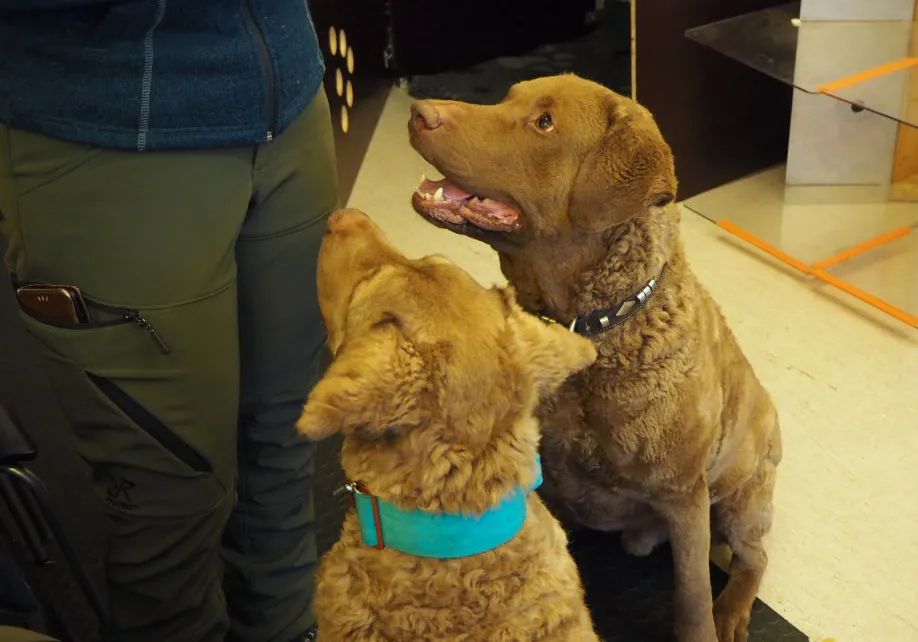
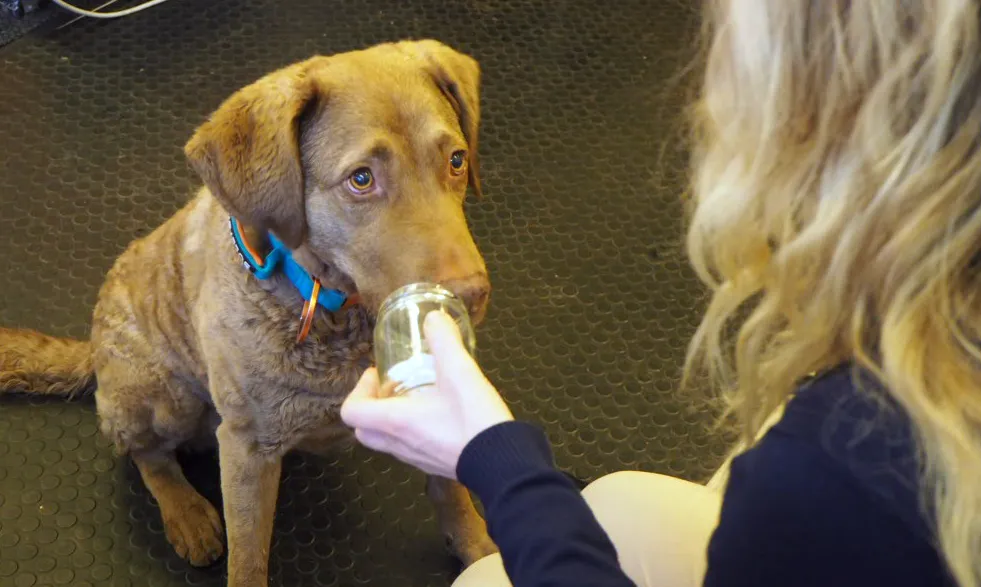
1. We train Medical Scent Detection Dogs (MSDDs), their handlers and the trainers, and at the moment we have focused most on dogs detecting human diseases (cancers, COVID-19, post-Covid syndrome), alarming their owners of upcoming disease attacks (chronic pain, migraine, fatigue) and on dogs detecting diseases in other animals (e.g. mammary cancer in dogs, ulcers in horses).
2. We also collect samples when we do our randomized, controlled diet interventions for our nutrition studies. We have multiple projects aimed at understanding how nutritional, environmental, and genetic factors influence disease in dogs. We study connections between different types of diets, food items, nutrients, metabolic pathways, gene expression, and diseases.
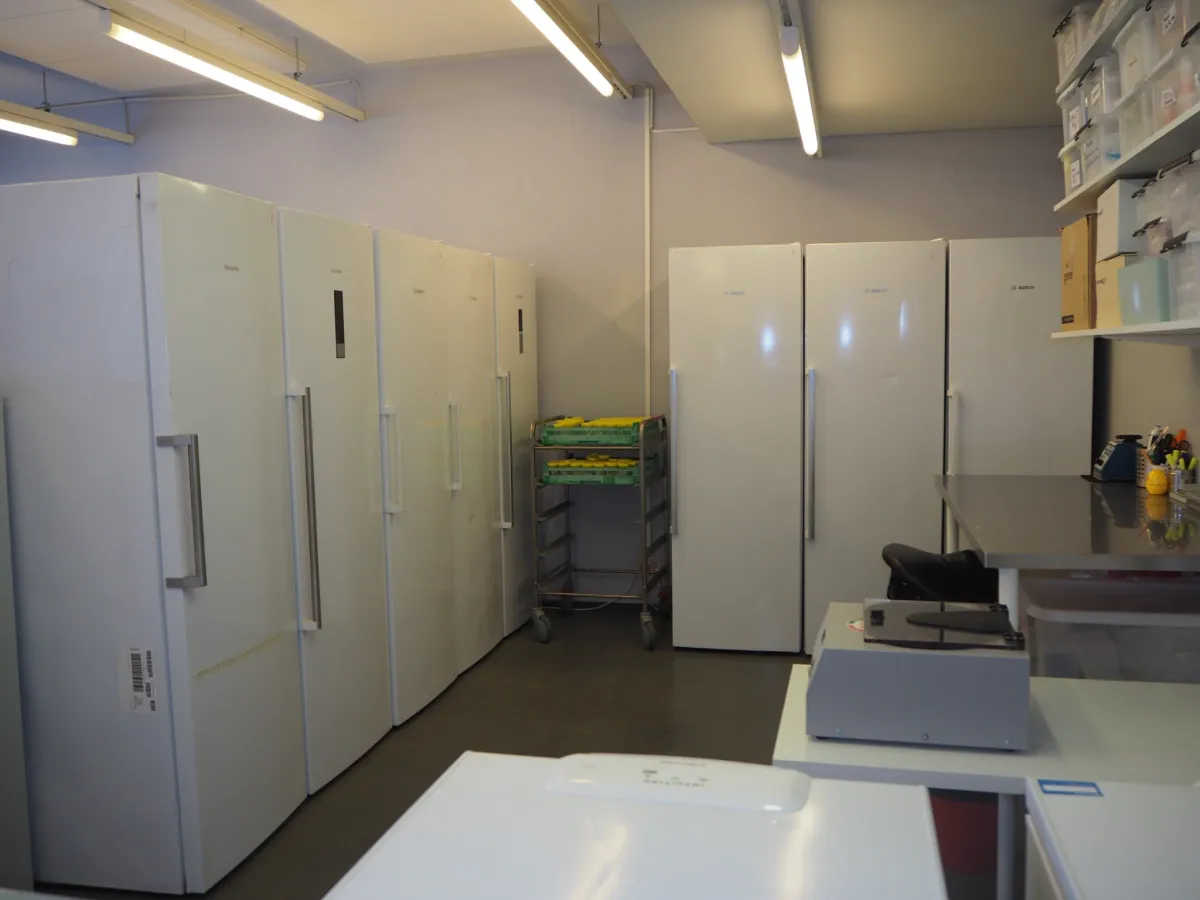
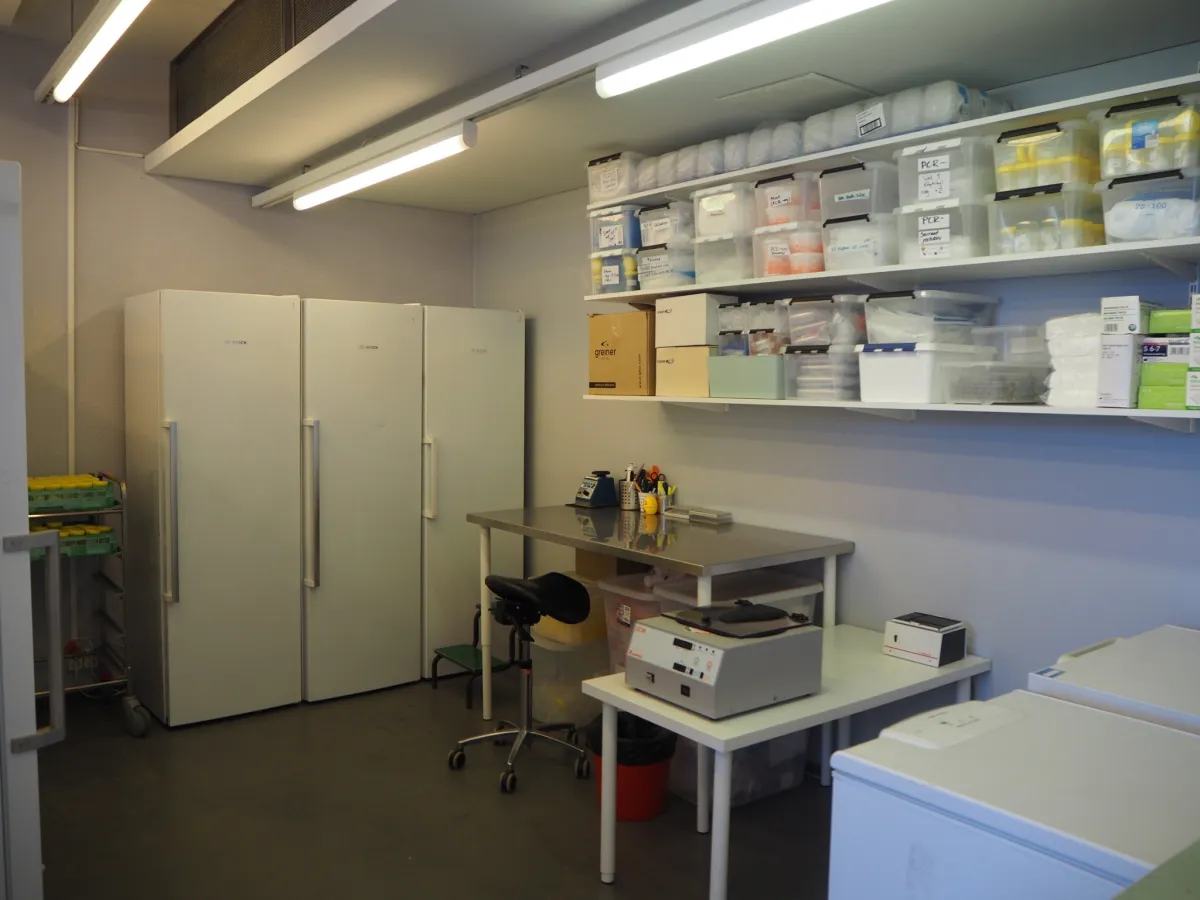
At DogLab, collected biological samples are handled, stored and then either used for trained detection dogs or sent out for analyses. The lab provides a controlled and standardised environment where samples are processed and stored, and where dogs are trained and tested using scientifically validated methods.
Sample Collection
DogLab collects a wide range of biological samples, including sweat, urine, saliva, breath, blood, and faeces. All samples are collected following strict protocols to ensure consistency and reliability for both research and training.
Sample Storage and Processing
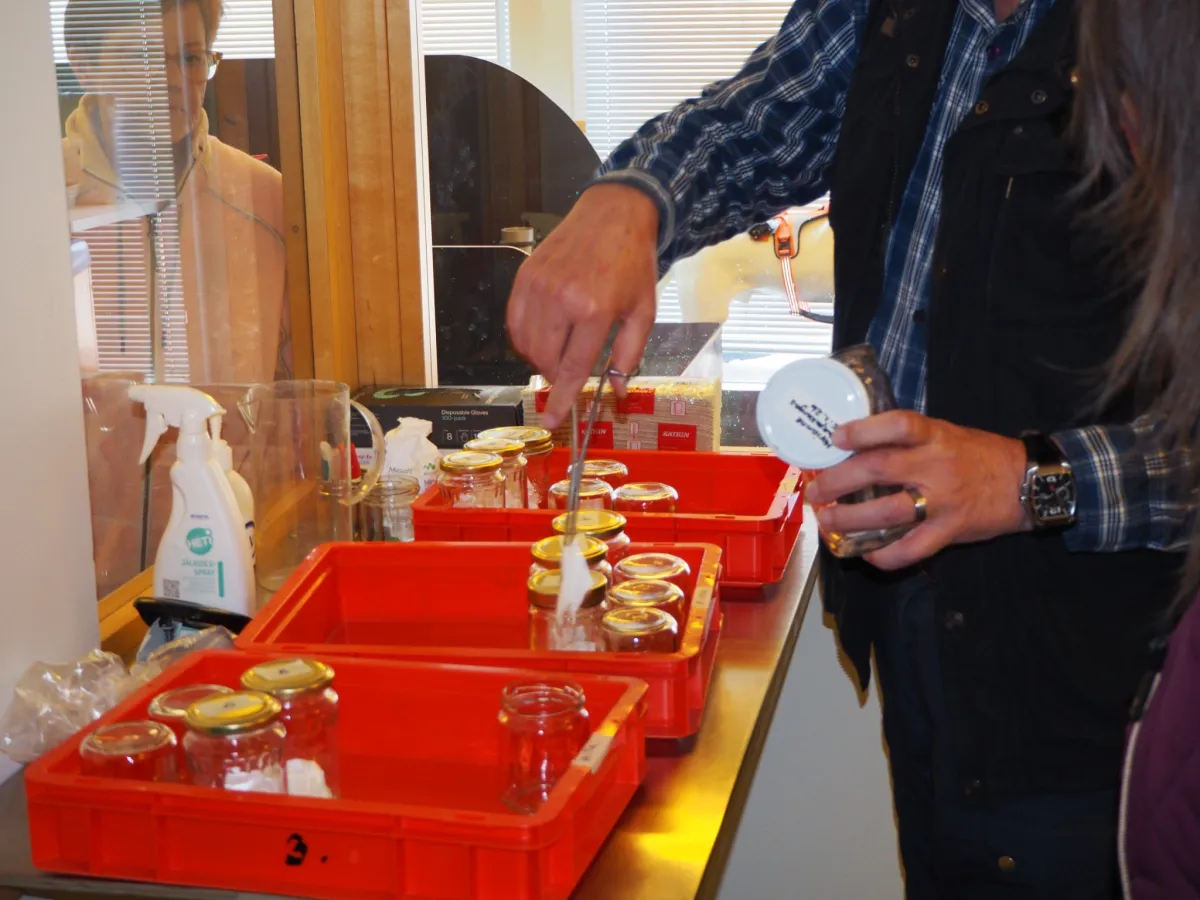
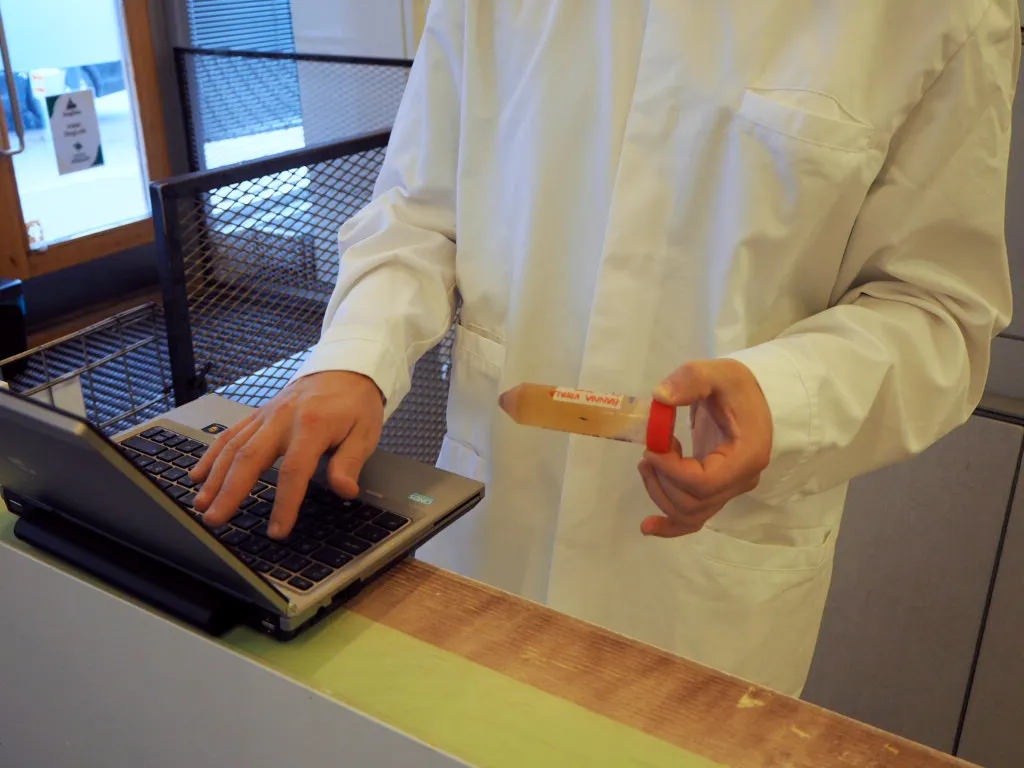
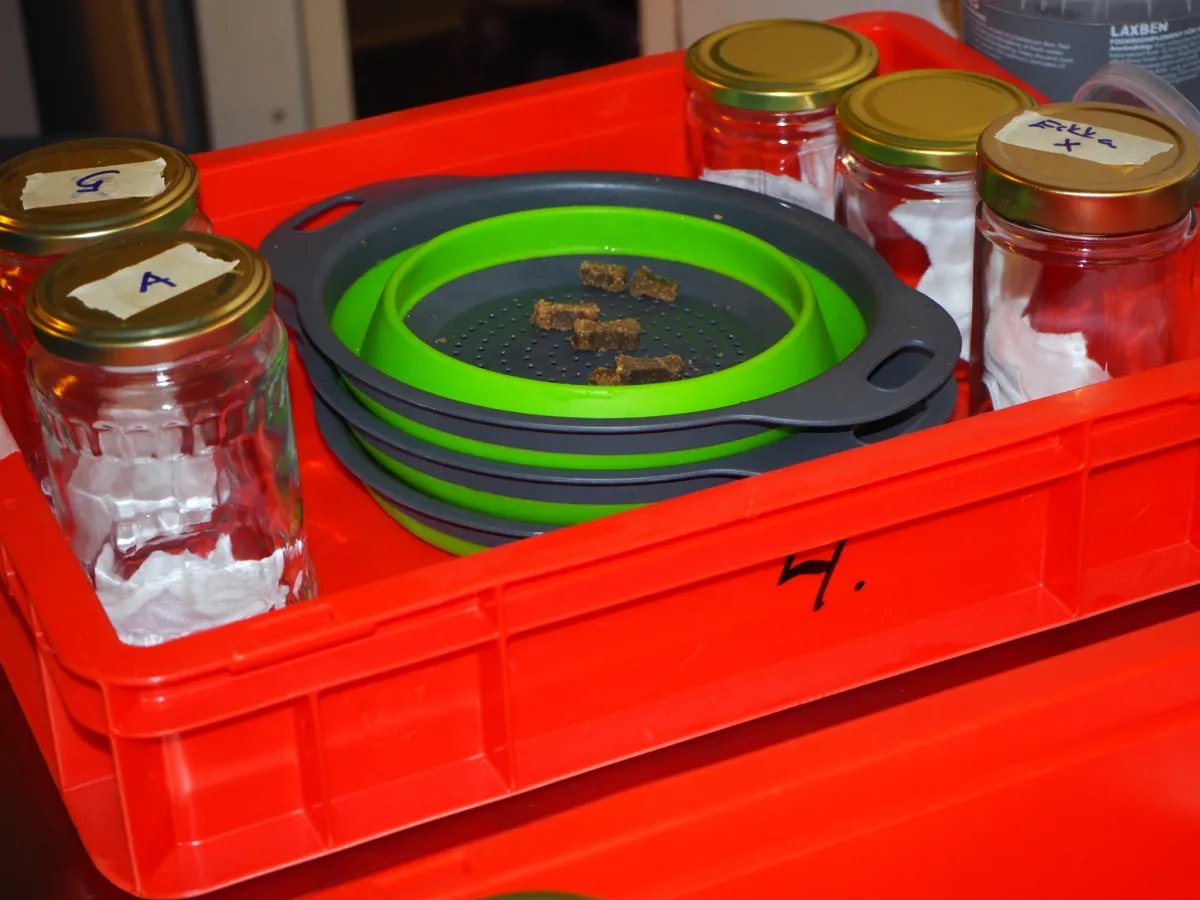
Samples are carefully handled, organised, and stored under controlled conditions. This includes labelling, cataloguing, freezing, and controlled thawing to preserve sample integrity over time. To avoid scent contamination, the disease and control samples are handled in separate areas.
Ethics, Anonymity and Data Protection
All samples and associated data are handled with strict confidentiality. Samples are pseudonymized to ensure anonymity, and all processes follow ethical and data protection guidelines. We have all the needed ethical approvals to collect both human and animal samples, to train dogs and all involved always sign a consent sheet so that all results and data (anonymized, of course) can be published.
Training and Controlled Testing
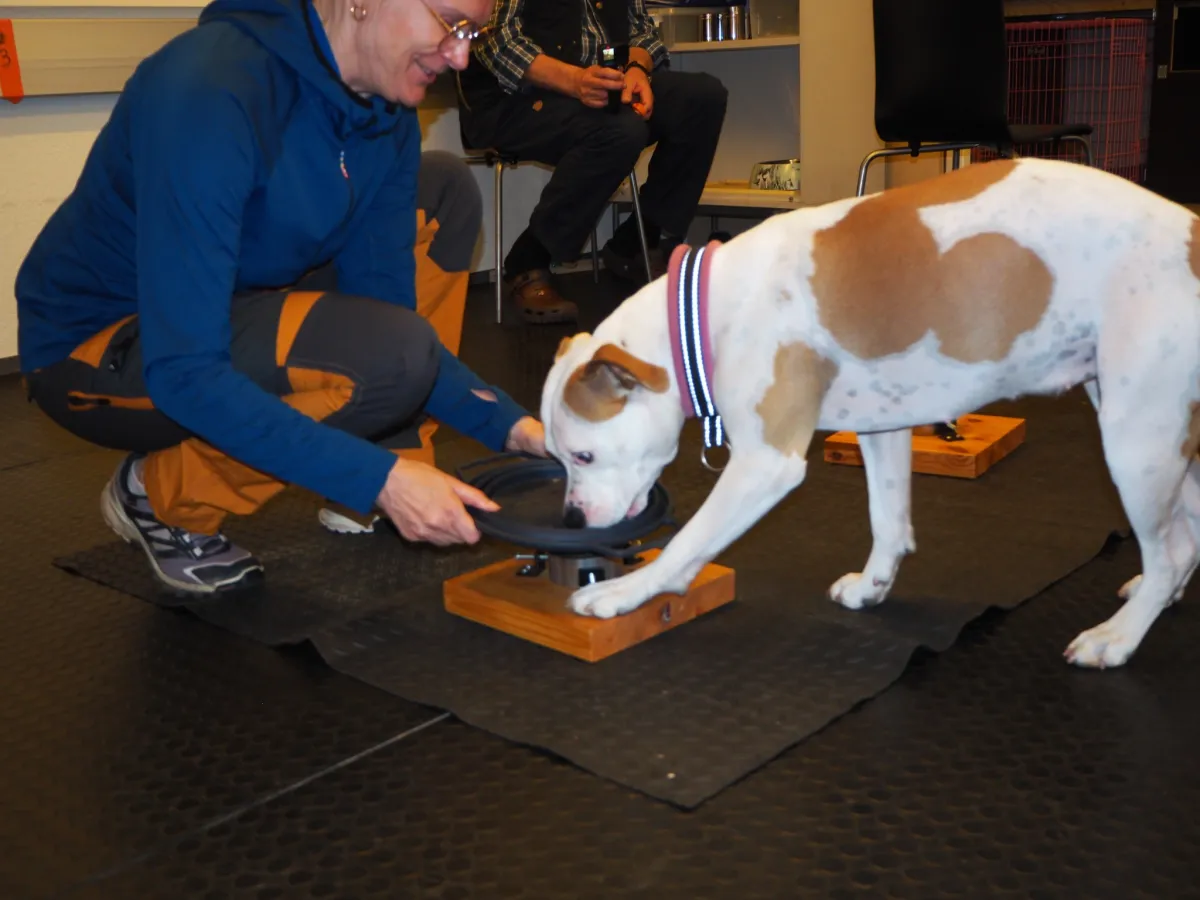
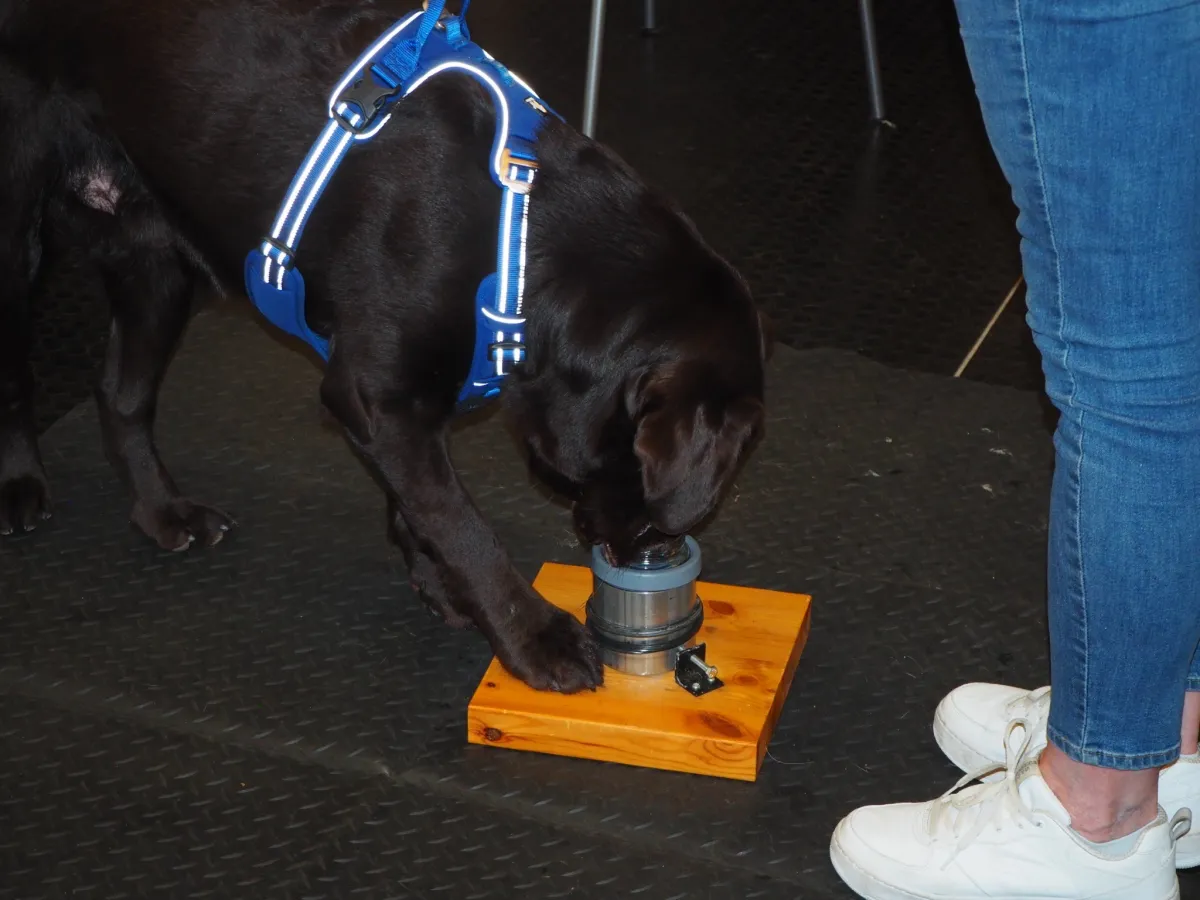
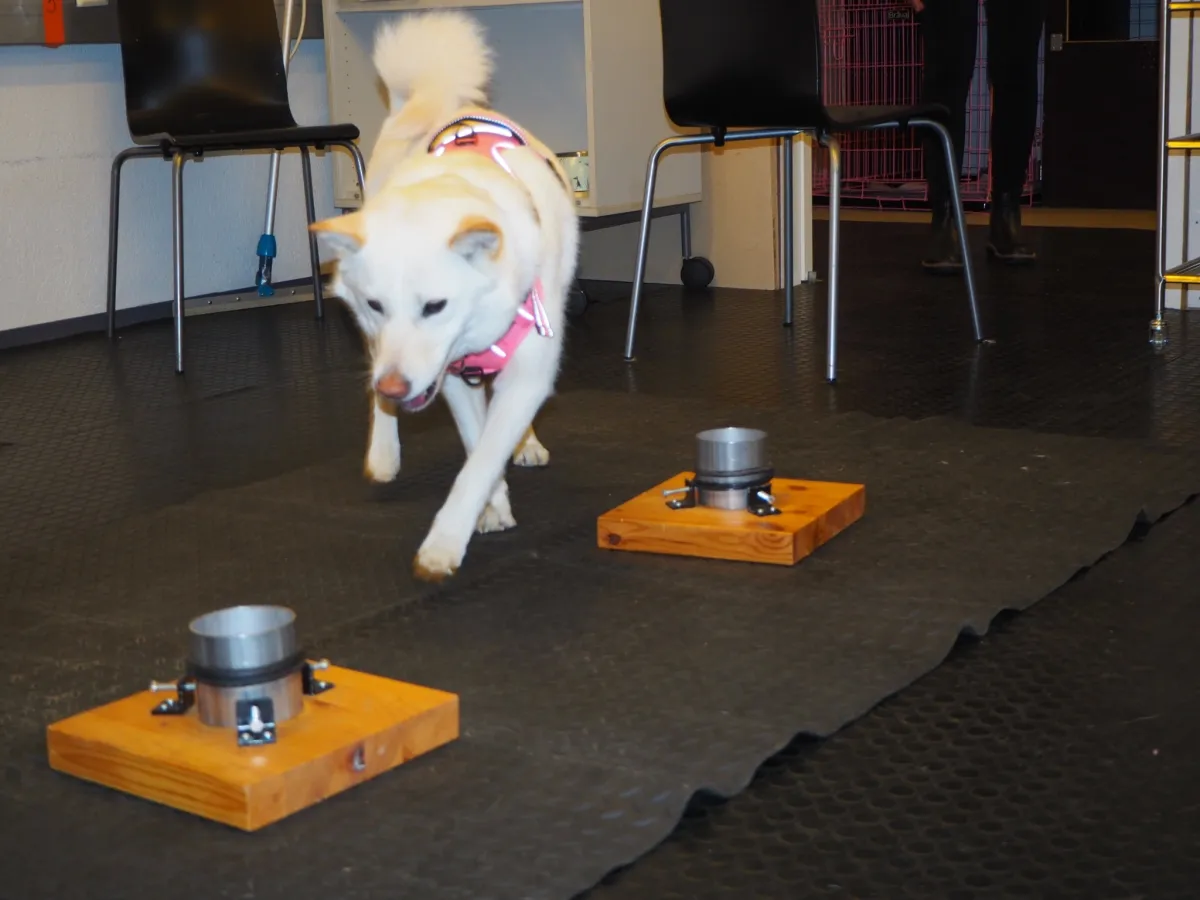
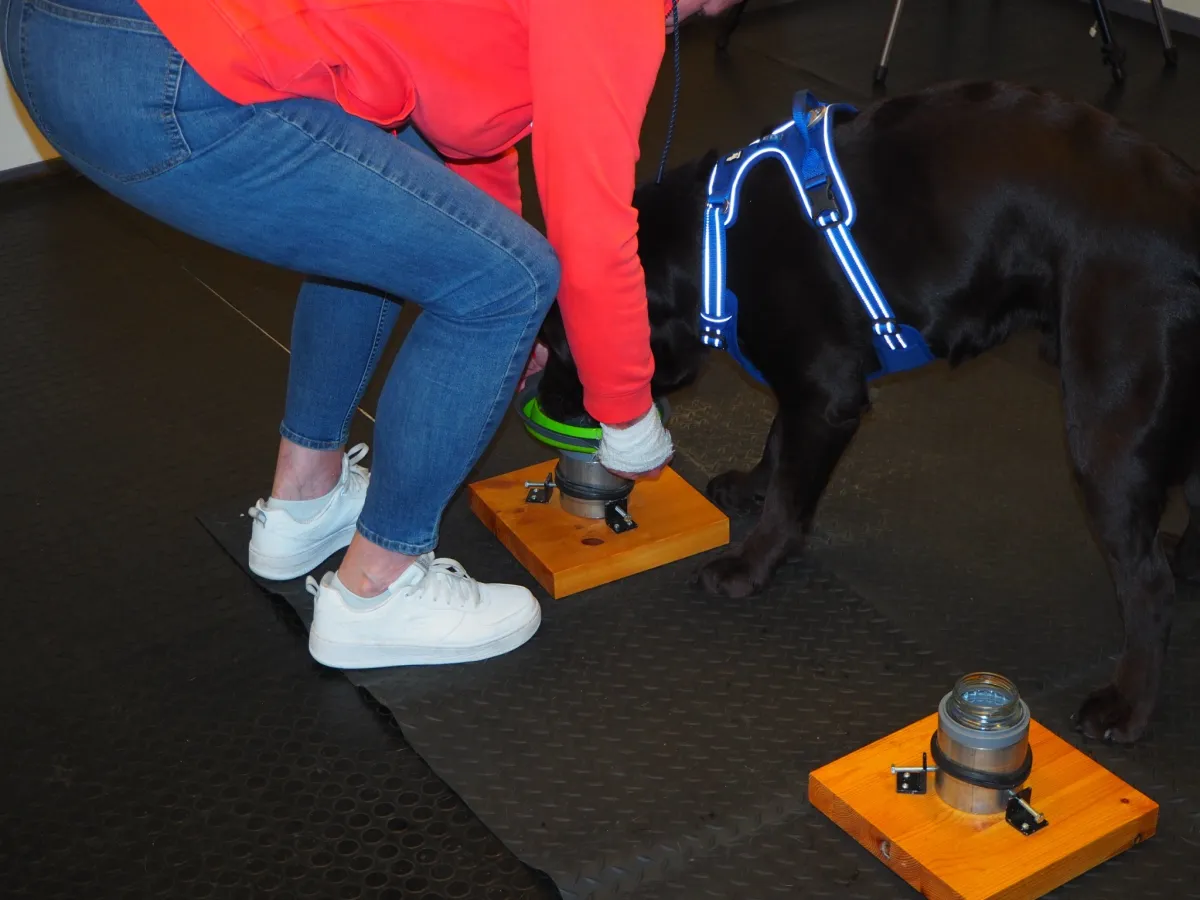
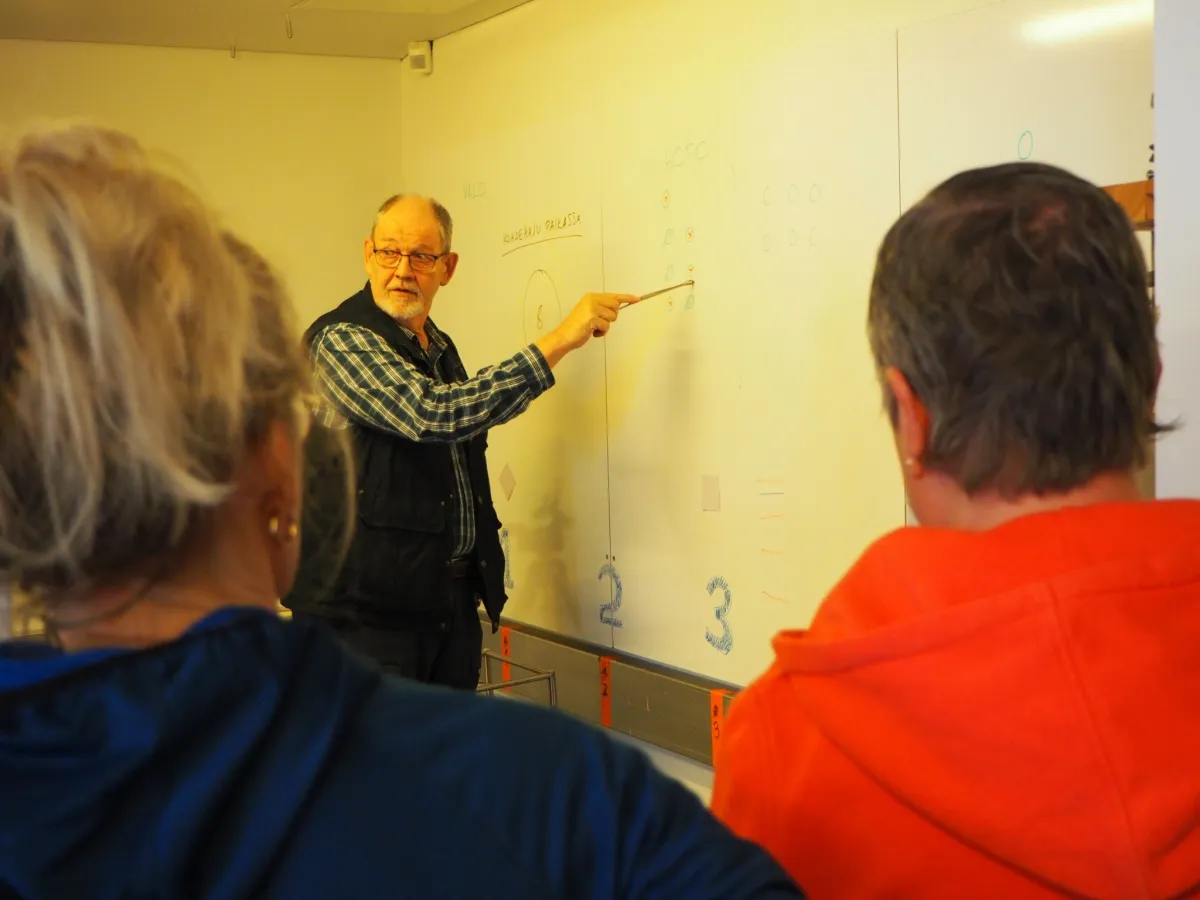
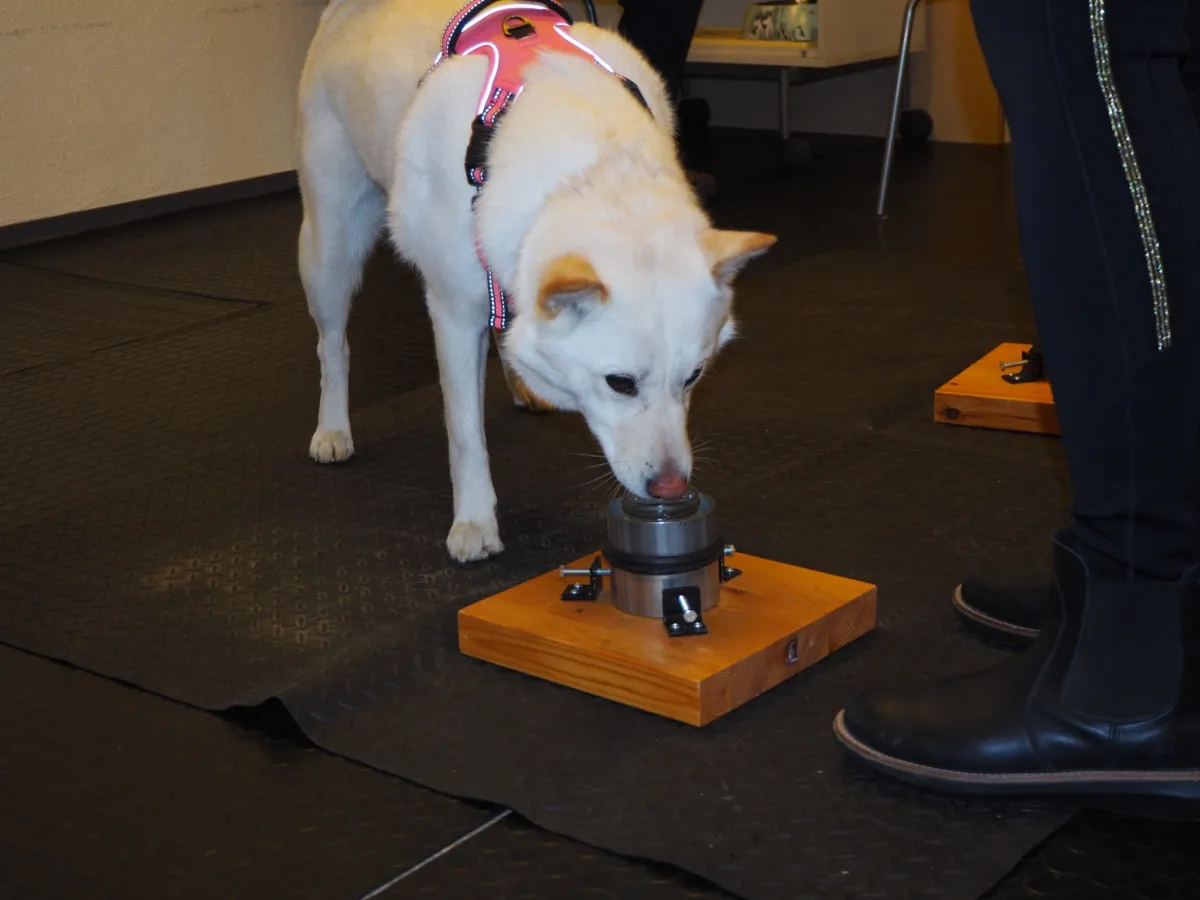
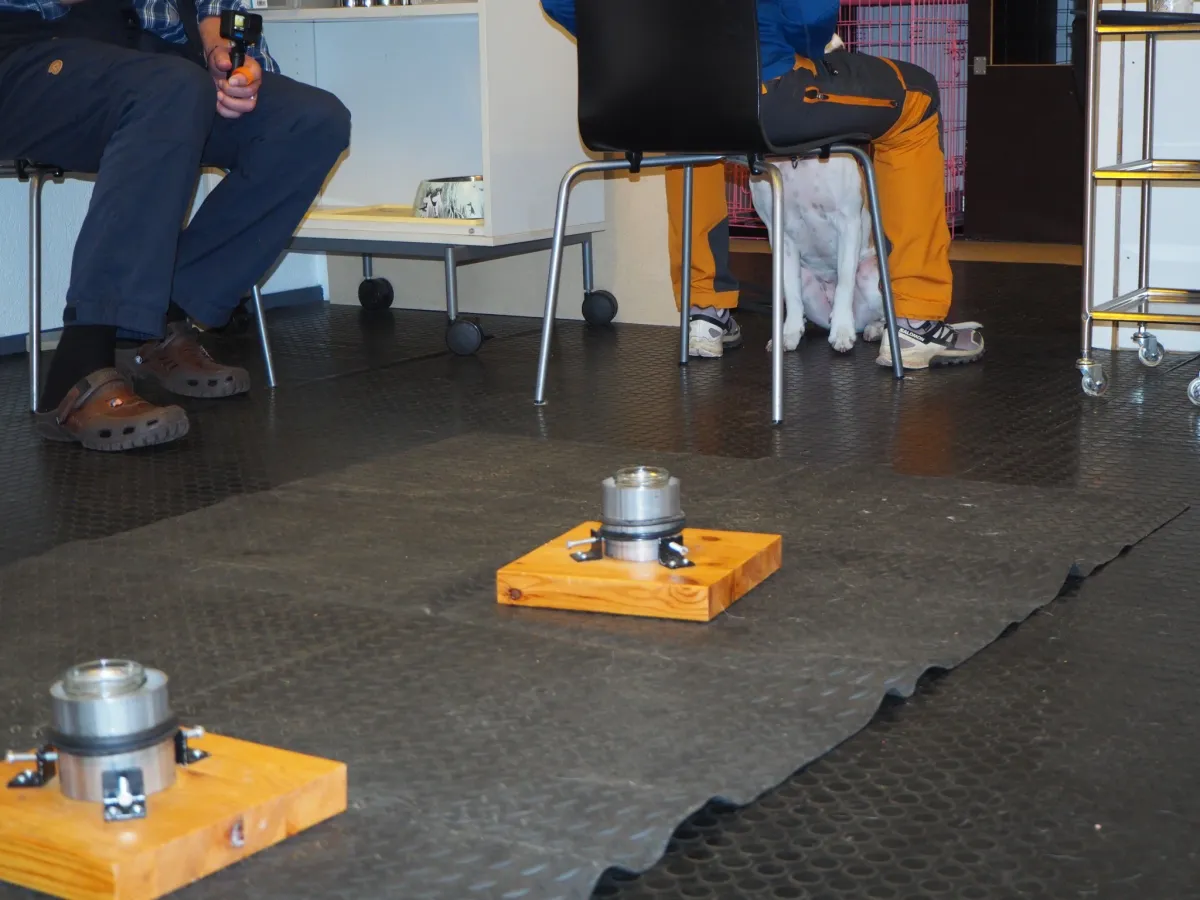
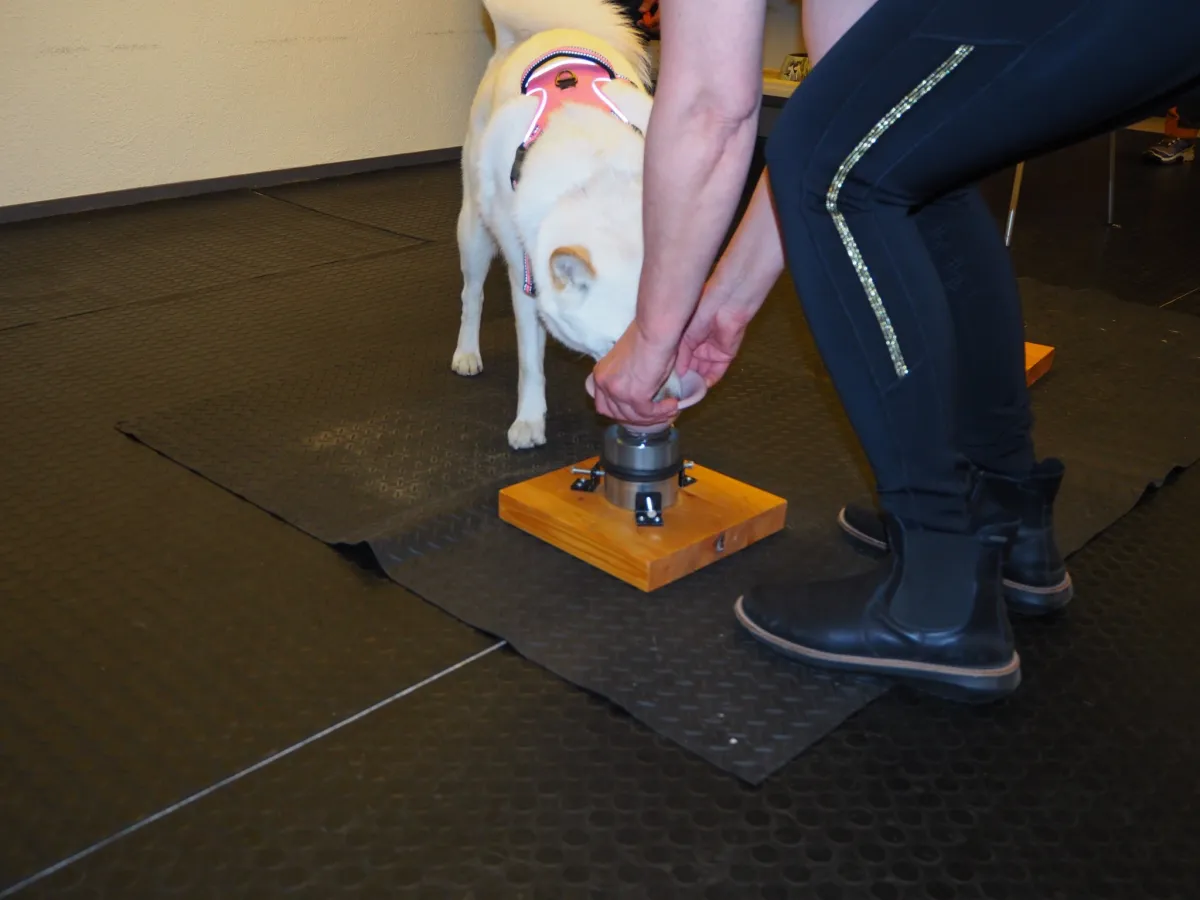
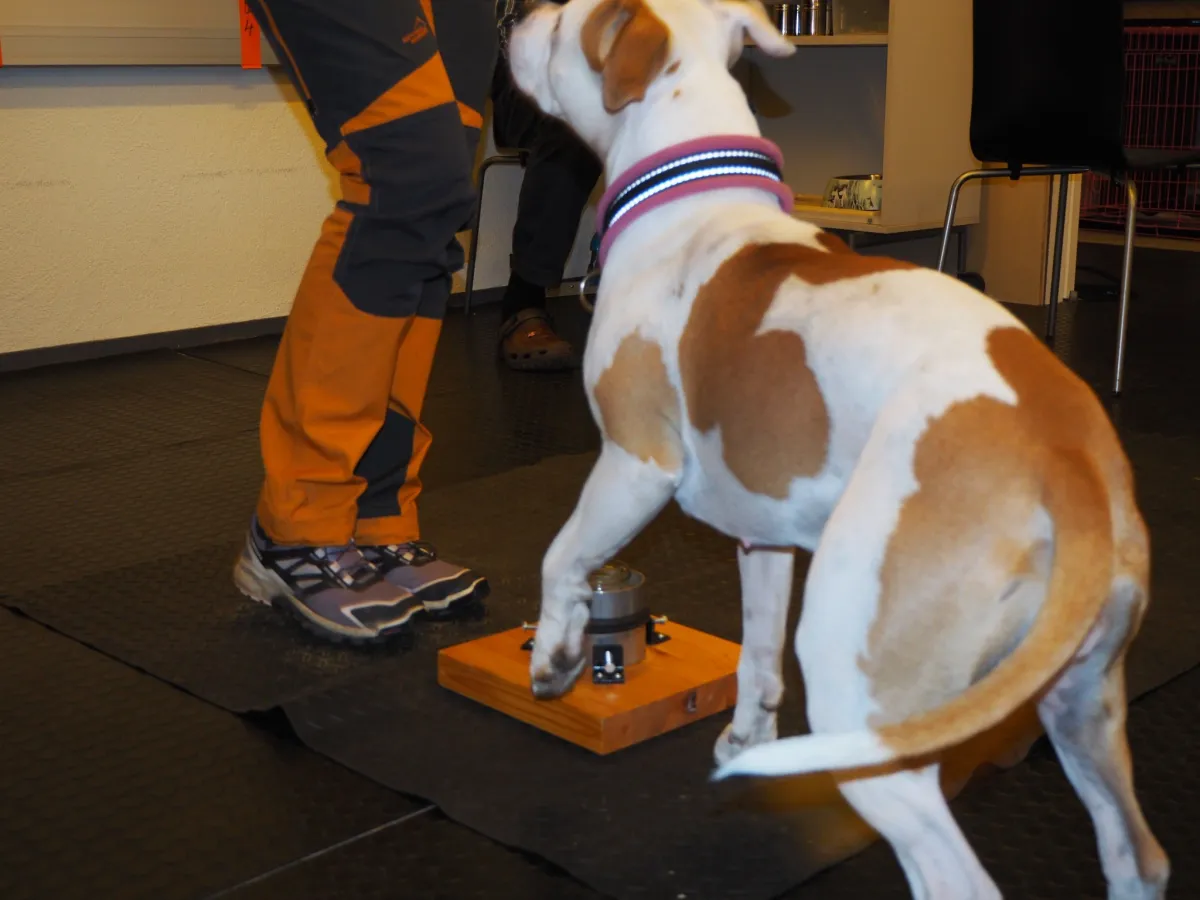
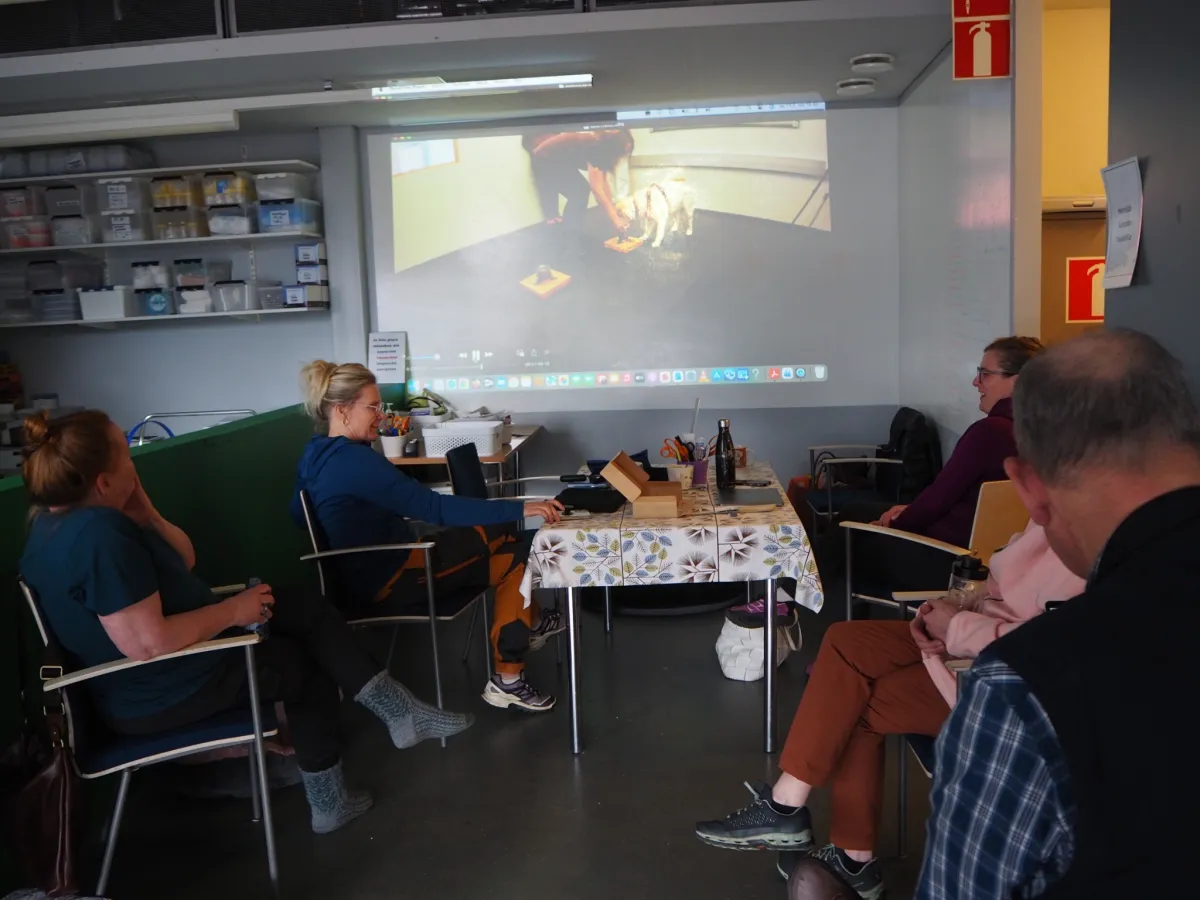
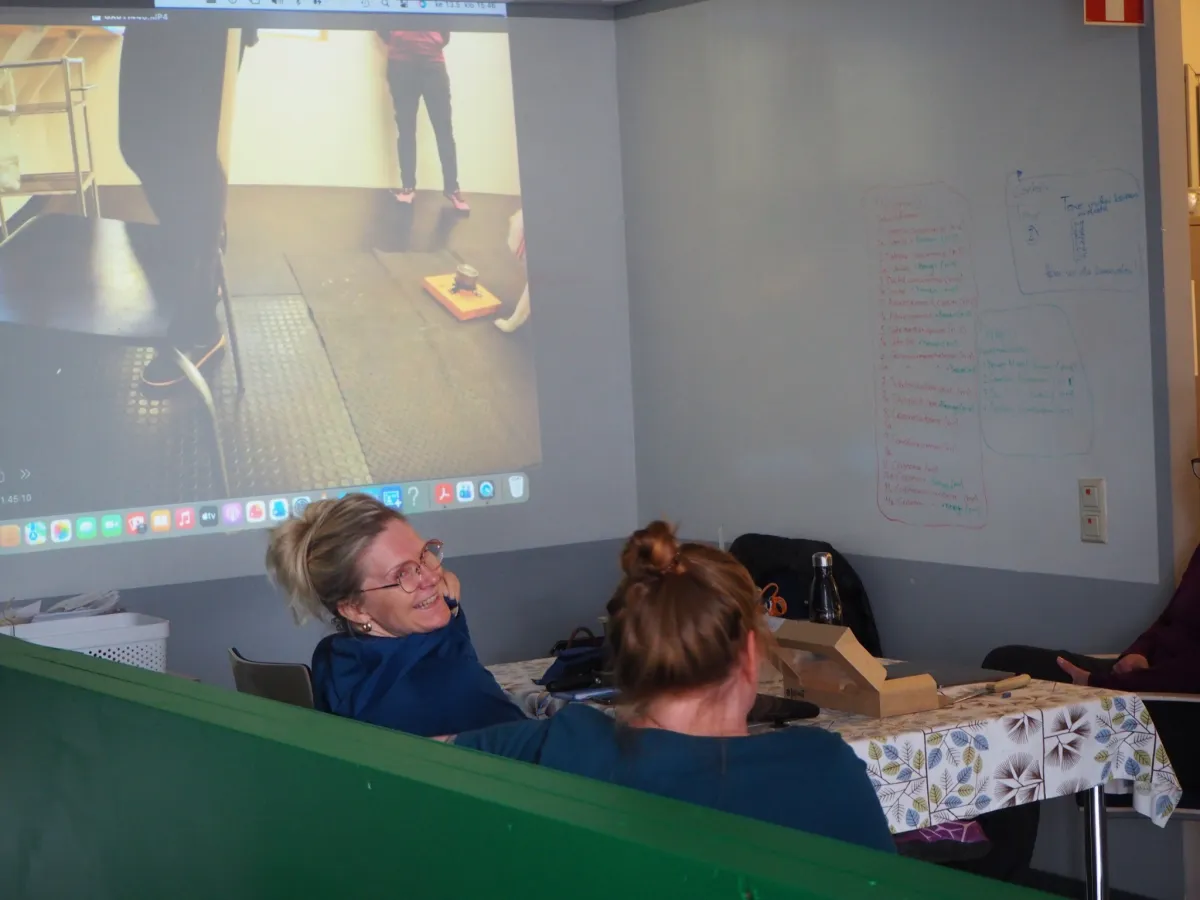
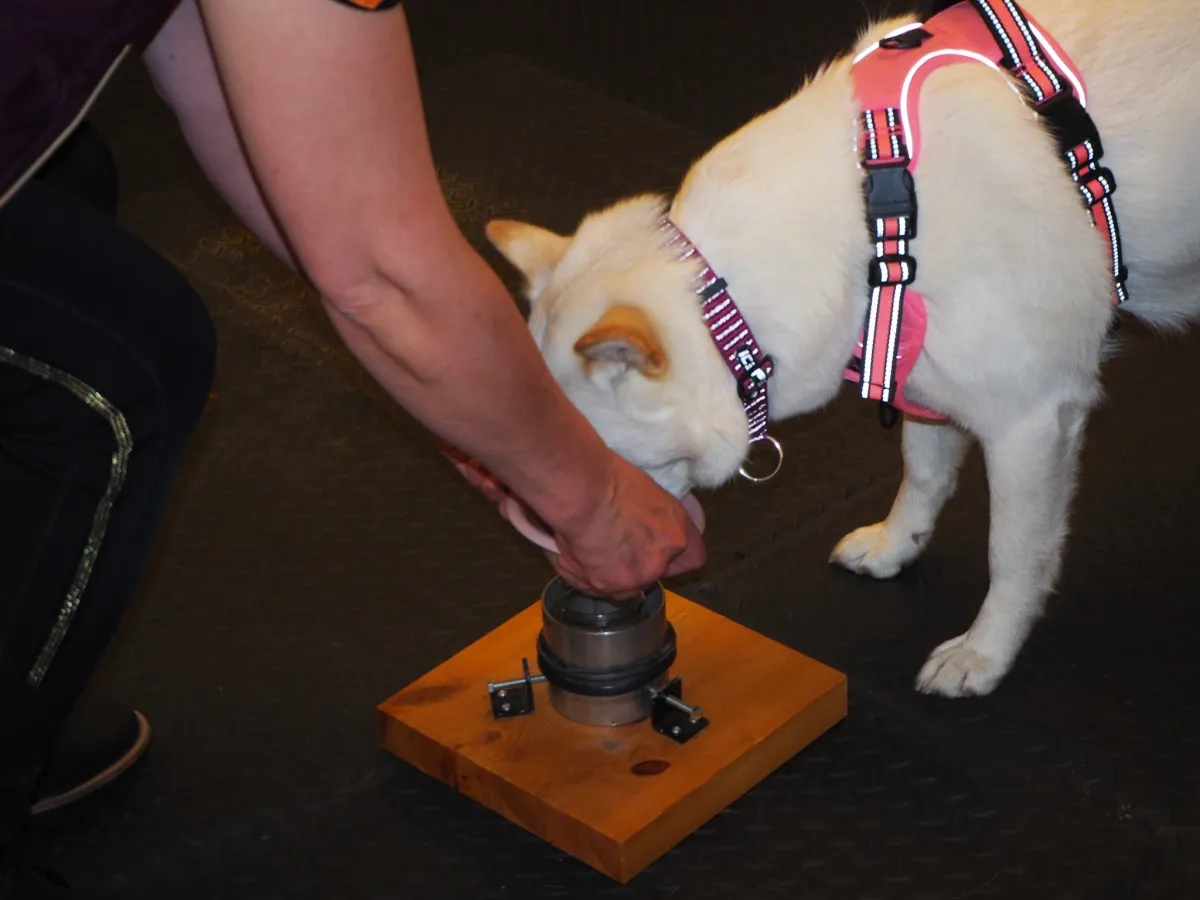
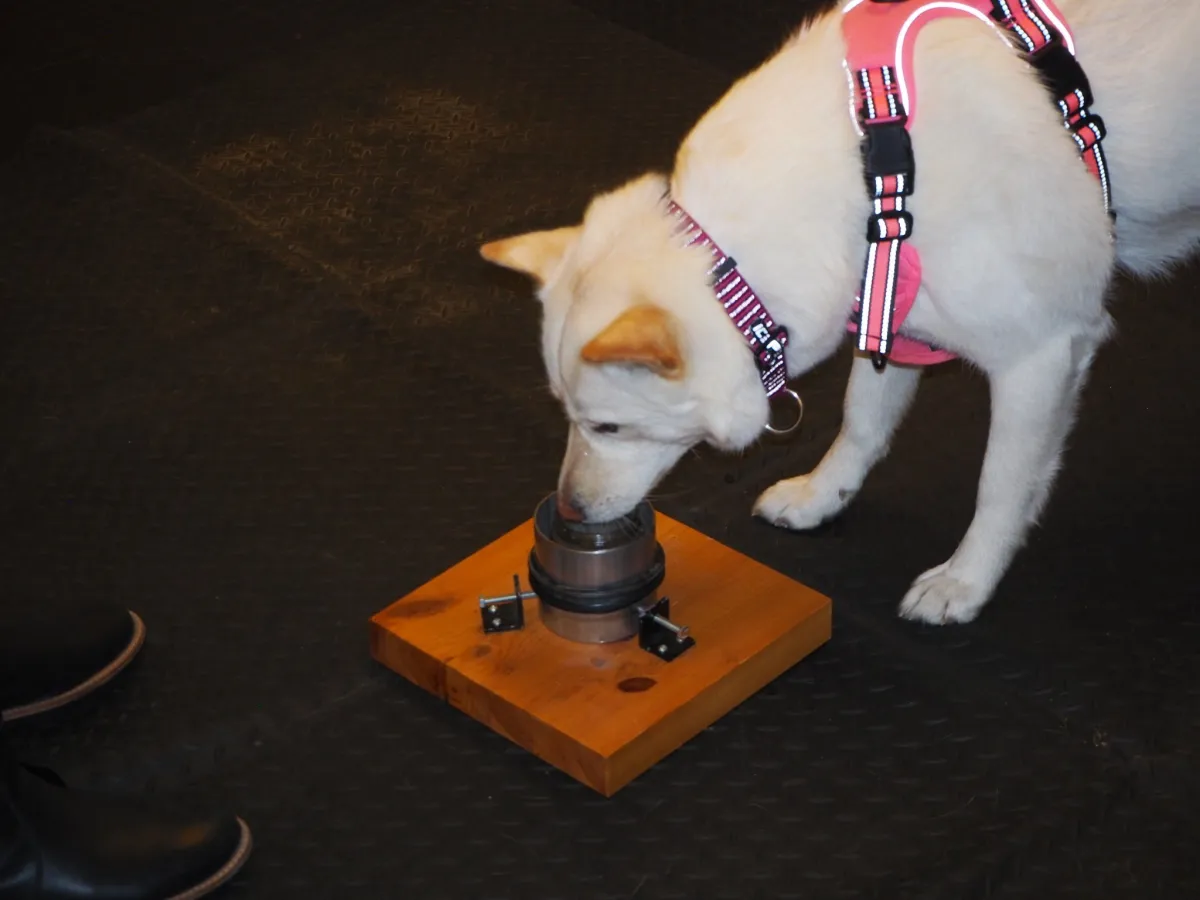
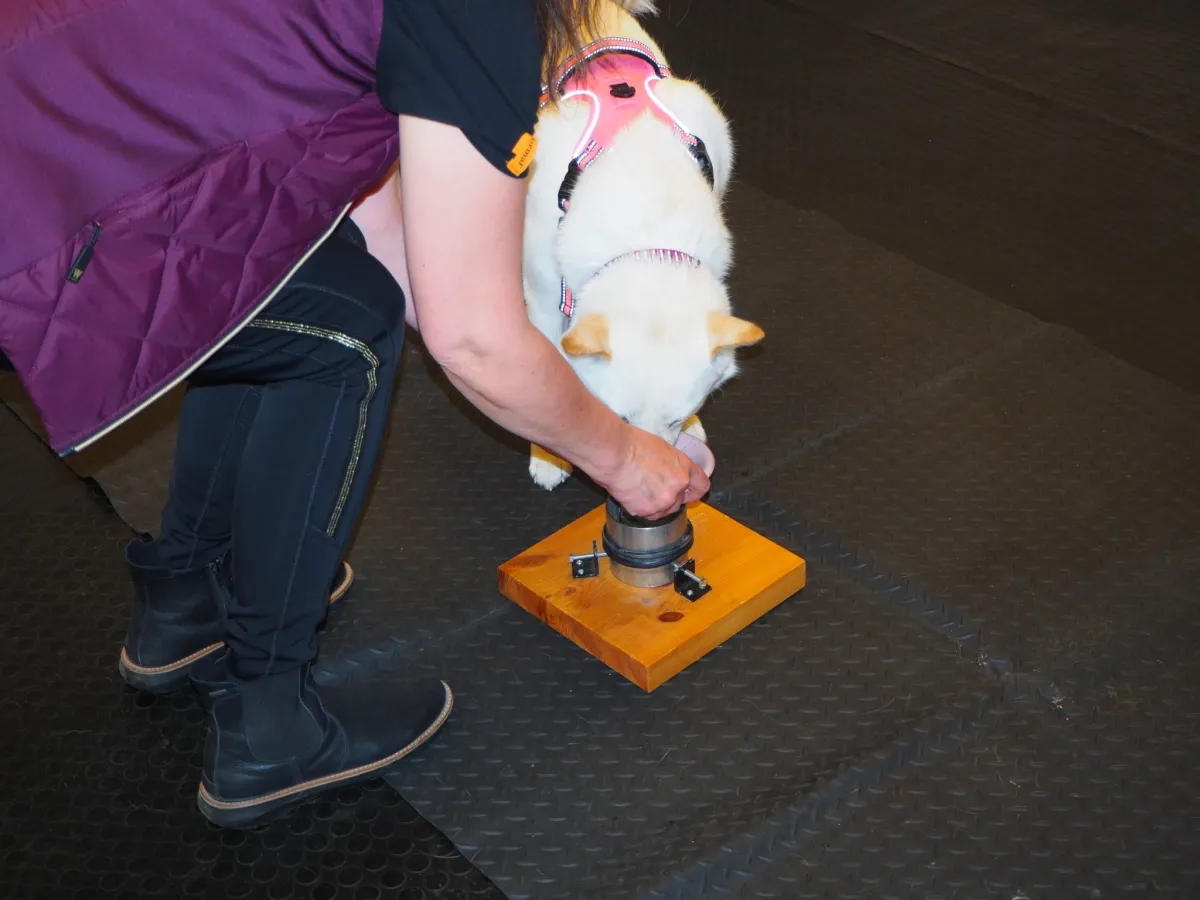
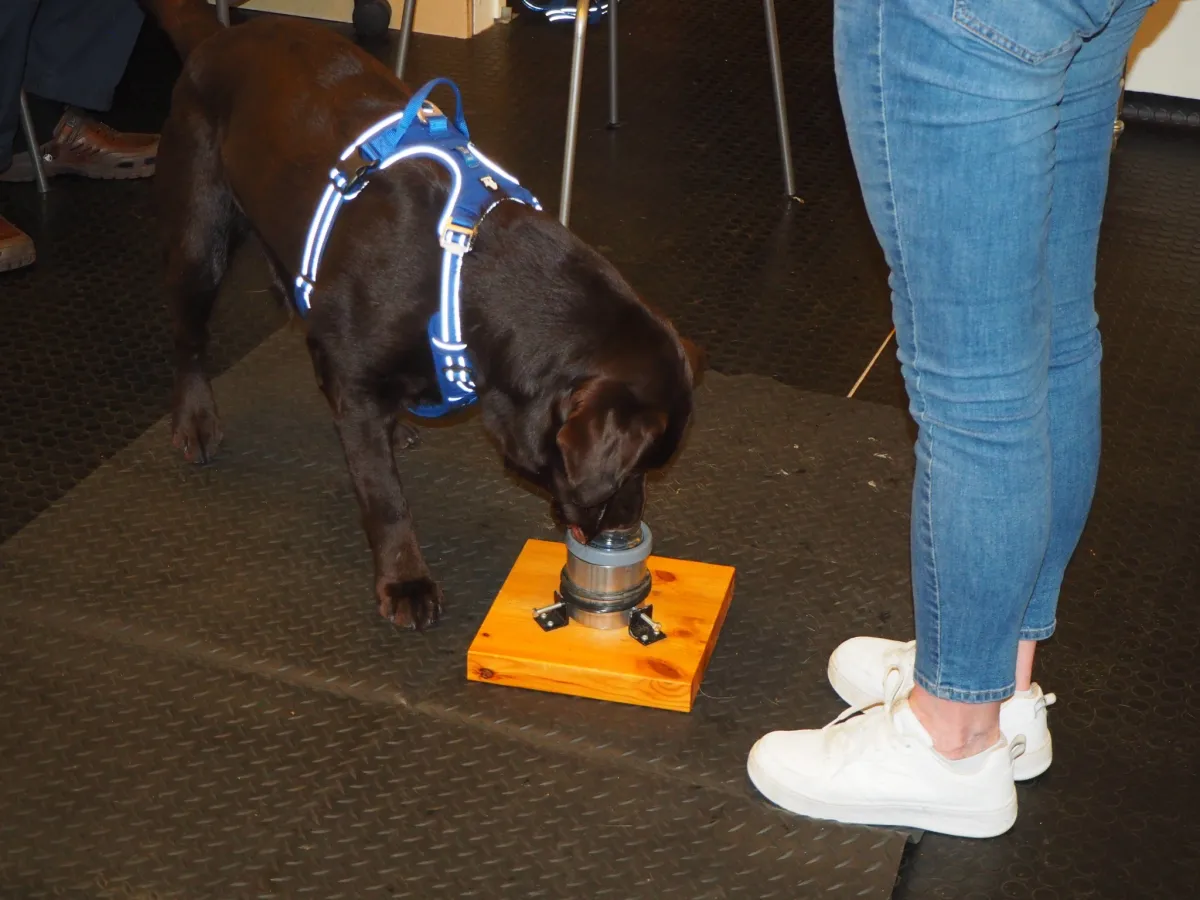
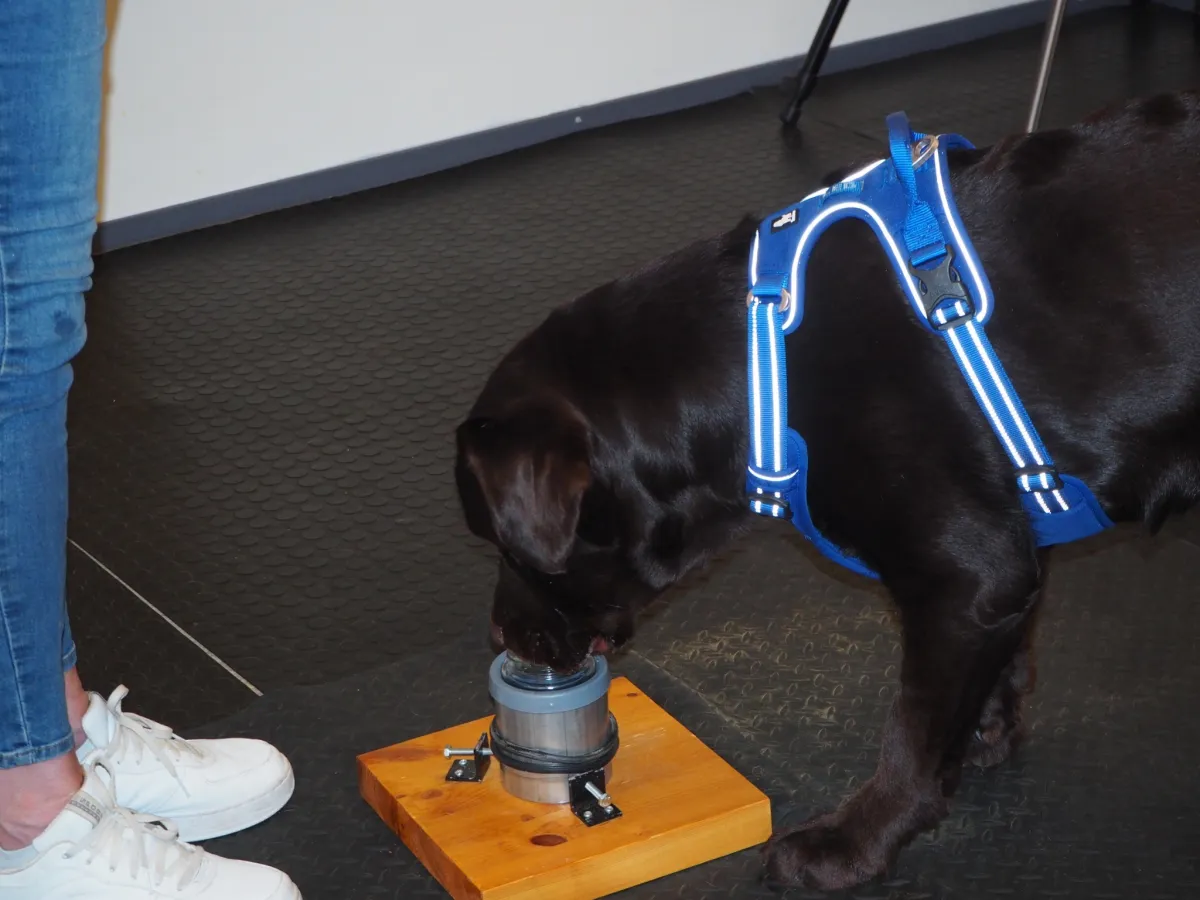
Dogs and handlers are trained in structured scent work using professional methods. The lab uses specialised equipment that enables controlled and double-blind testing, ensuring unbiased and scientifically robust results.
DogLab works closely with national and international partners, including a metabolomics project with VTT Technical Research Centre of Finland where we are trying to identify the molecule cocktail that dogs detect in one of the pain diagnoses.
We also collaborate with several universities on topics such as scent dog sample handling, sample inactivation, and optimizing training methods and equipment for medical scent detection dogs (MSDDs). We are also working on improving standardization and validation methods within the field to strengthen the scientific reliability of scent detection research.
One example is an ongoing collaboration in Japan, where detection dogs are being trained for cancer detection within the Ningen Dock preventive healthcare system, in cooperation with Ningen Dock, Gunma Prefecture, and two Japanese universities. The collaboration focuses on preventive healthcare and early disease detection.
We have been trying to upgrade the DogLab so that it could be opened to more collaborators for years, but we are still lacking the funds to be able to pay salaries to keep it open daily. However, DogLab is continuously expanding its work into new areas. In addition to human health applications, future research includes detection of more animal diseases, plant diseases, and environmental threats. For example, we are exploring training dogs to detect bark beetles that damage spruce forests together with other researchers in Finland. These pests cause significant ecological damage and economic loss in forestry, and early detection could provide an important tool for environmental protection.