Public-Facing Ethnography in Trinidad
Fayth Seaton, Sean Singh, Deneka Thomas and Zariel Thomas are spoken word poets from East Port-of-Spain, Trinidad. In addition to their love for making meaning and metaphors, Fayth promotes literacy in her community, Sean is a cultural activist whose group attends competitions in Europe and the Caribbean, Deneka hosts open mics and creates social entrepreneurship projects for positive youth development, and Zariel balances work in the library and creating writing sessions with girls. They participated in the “Place, Power, Words: Virtual Spoken Word Workshop” between December 2024–February 2025. This workshop was a collaborative, multimodal research project where the poets reimagined the relationship between ethnography and literature and produced individually and collaboratively authored performance pieces. This arts-based methodology sought to meet the ideals of the Barbadian writer George Lamming, who felt that projects to improve the human condition must advance an “education of feeling” (2008, 64).
Sessions were facilitated by amílcar peter sanatan. Research collaborators engaged in weekly sessions of ethnographic poetry writing and spoken word performance to document and interpret social relations, feelings and aspirations in their everyday life. For many, the workshop was a “reflexive pause” in their busy week. The virtual meeting sessions were at once a “digital yard” (Josephs 2020) and concretely situated in the yards of East Port-of-Spain where family life, community and urgent issues in the wider society became part of the collective workshop experiences.
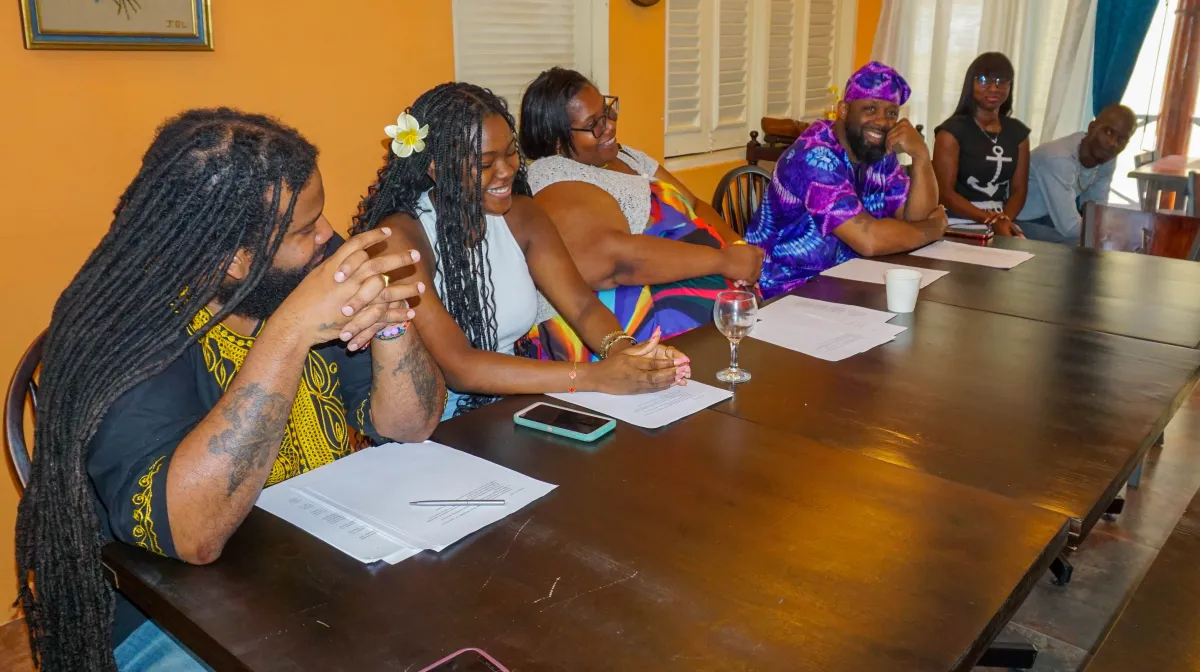
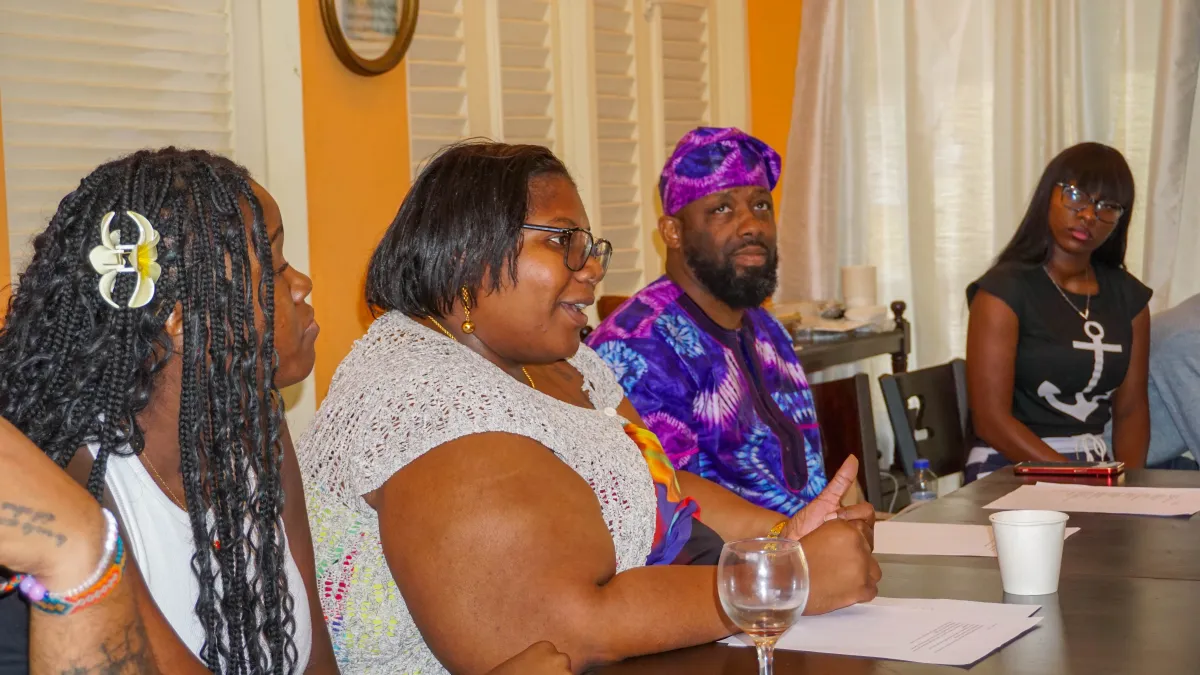
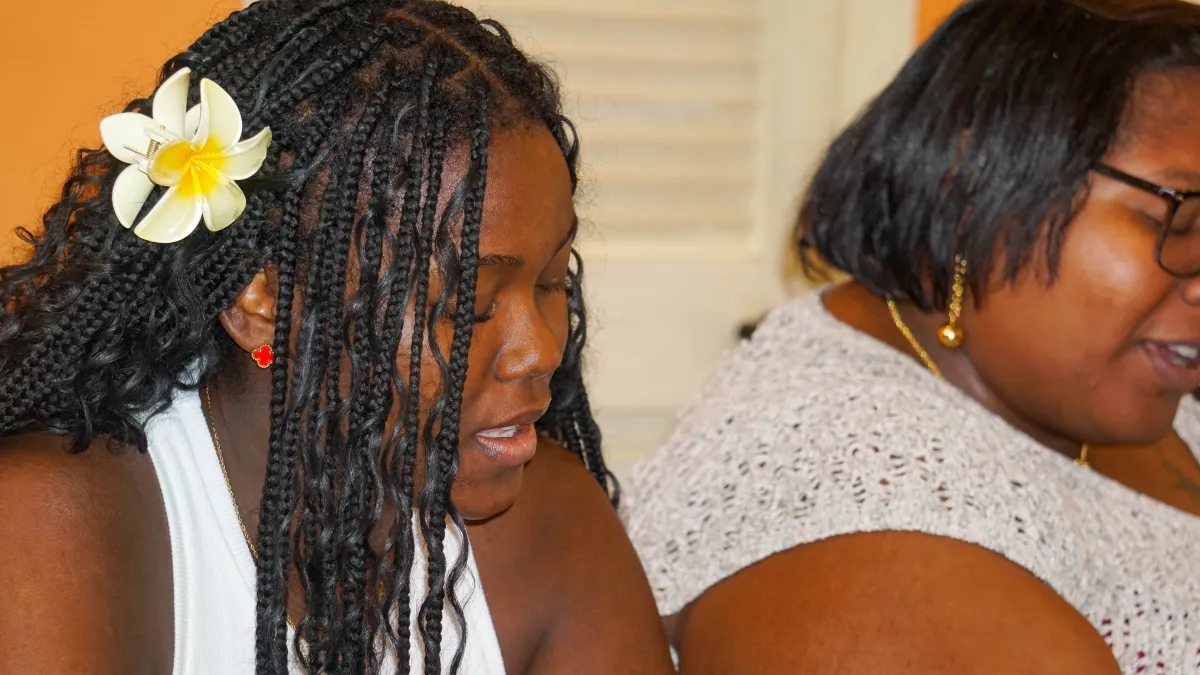
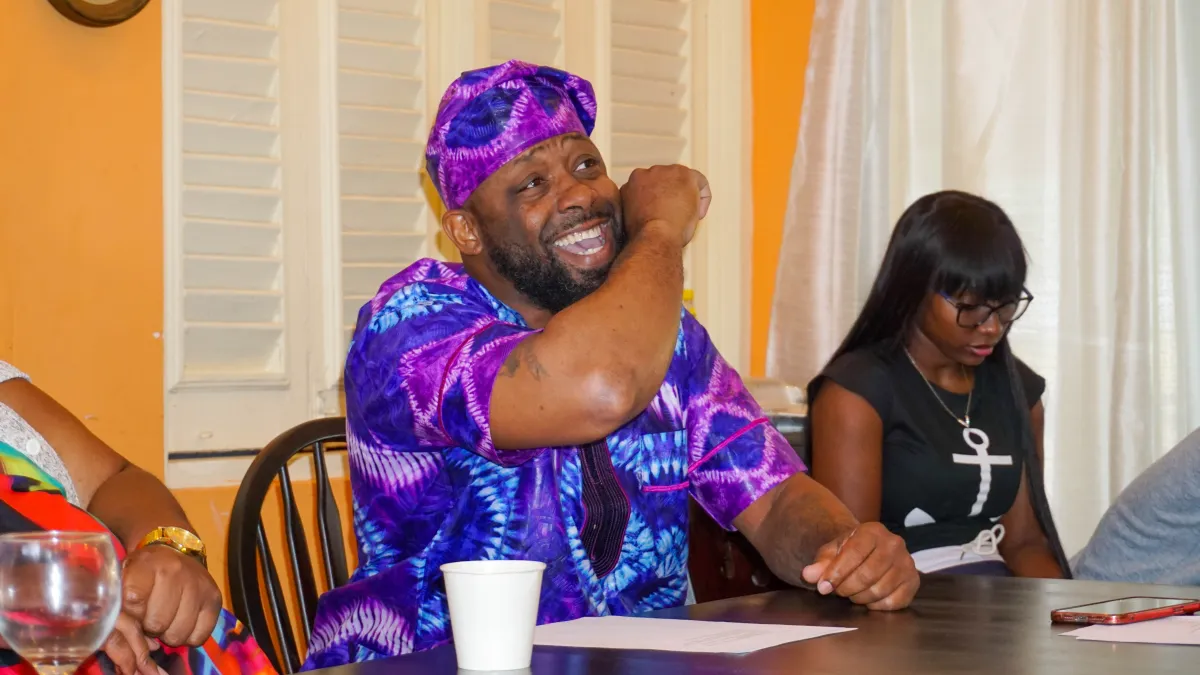
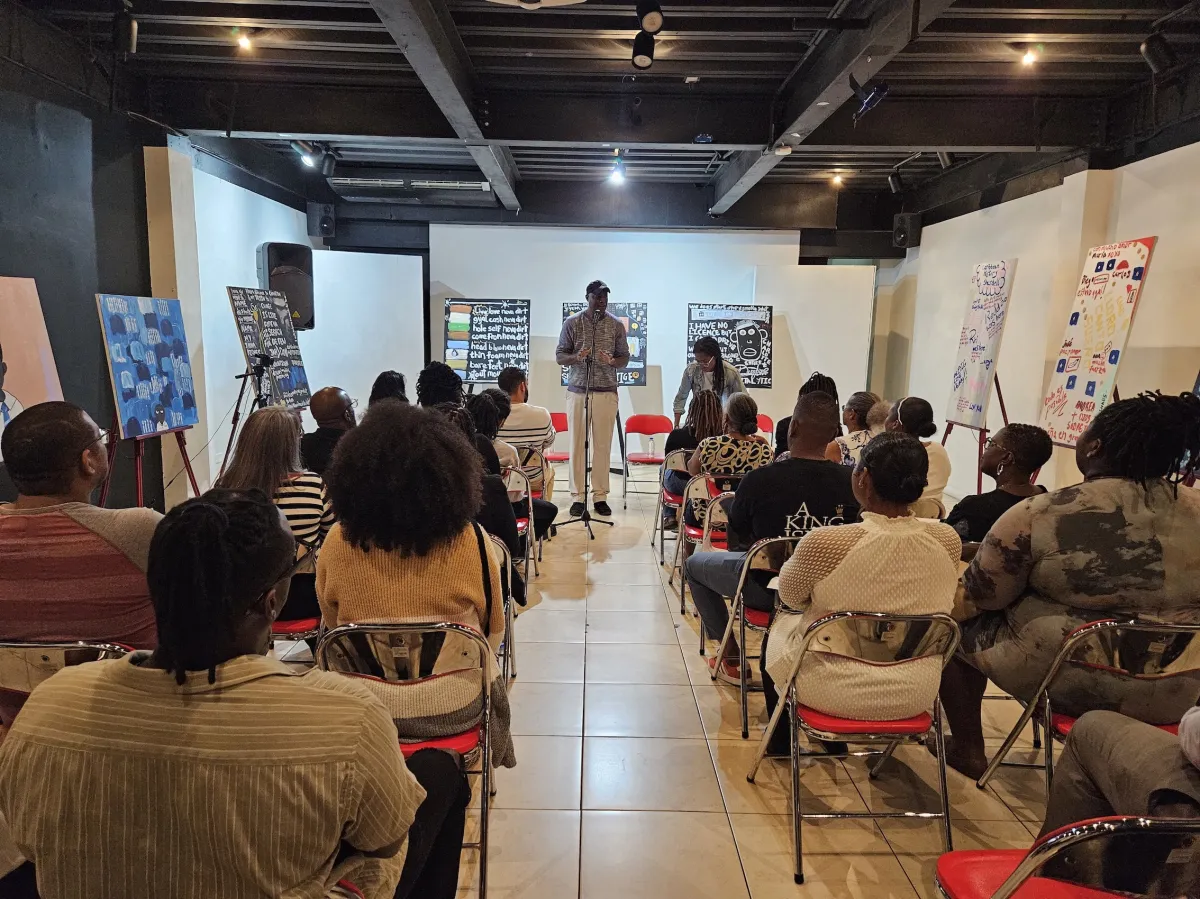
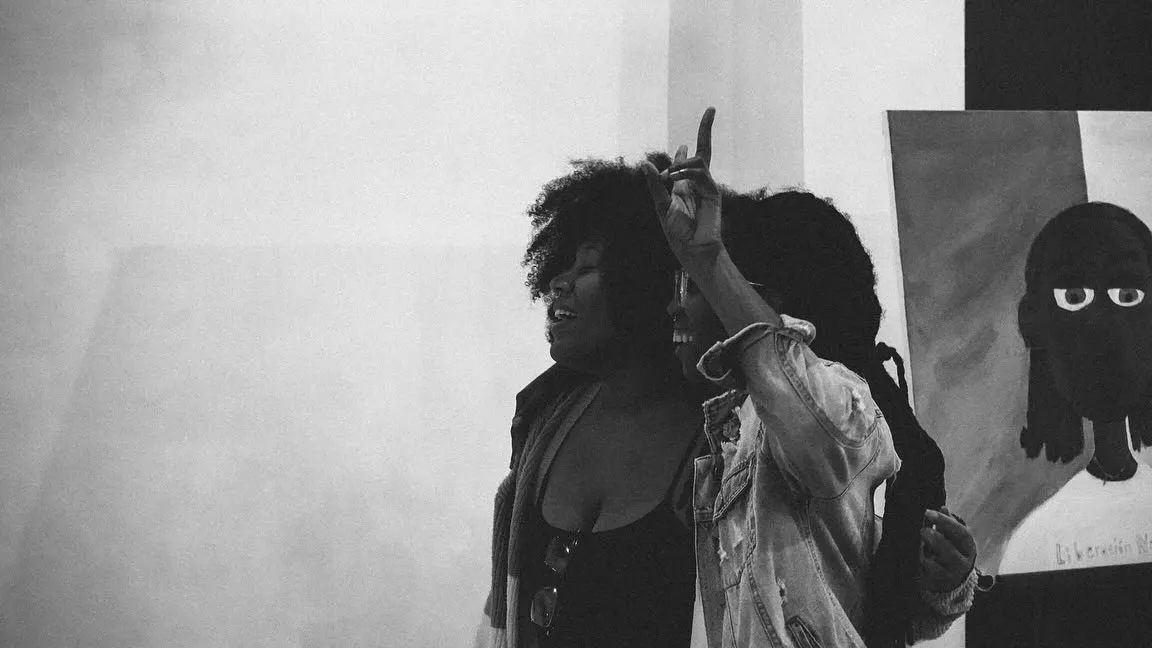
Fayth, Sean, Deneka, Zariel and amílcar performed their spoken word poems and shared their insights on a panel at a showcase at the Angelo Bissessarsingh Heritage House, Belmont, in February 2025. Young spoken word poets, public workers, community activists and East Port-of-Spain residents took part in the event, and they found resonance in the performances, recognising that this methodology offers an alternative to mainstream consultations which are typically technocratic and impersonal. By centering lived experiences of East Port-of-Spain through the poets’ own voices, the showcase built a space where community members could relate to research processes and knowledge creation that prioritised their agency. Here the method differs from conventional and researcher-driven data collection in Anthropology and related disciplines. The poems produced in the workshop have been
References
Josephs, Kelly Baker. 2020. “Digital Yards: Caribbean Writing on Social Media and Other Digital Platforms.” In Caribbean Literature in Transition, 1970-2020, edited by Ronald Cummings and Alison Donnell, 219-234. Cambridge: Cambridge University Press
Lamming, George. 2008. “Opening Address - Caribbean Conference on Culture Honouring Rex Nettleford.” Caribbean Quarterly 54 (1 & 2): 55-72.
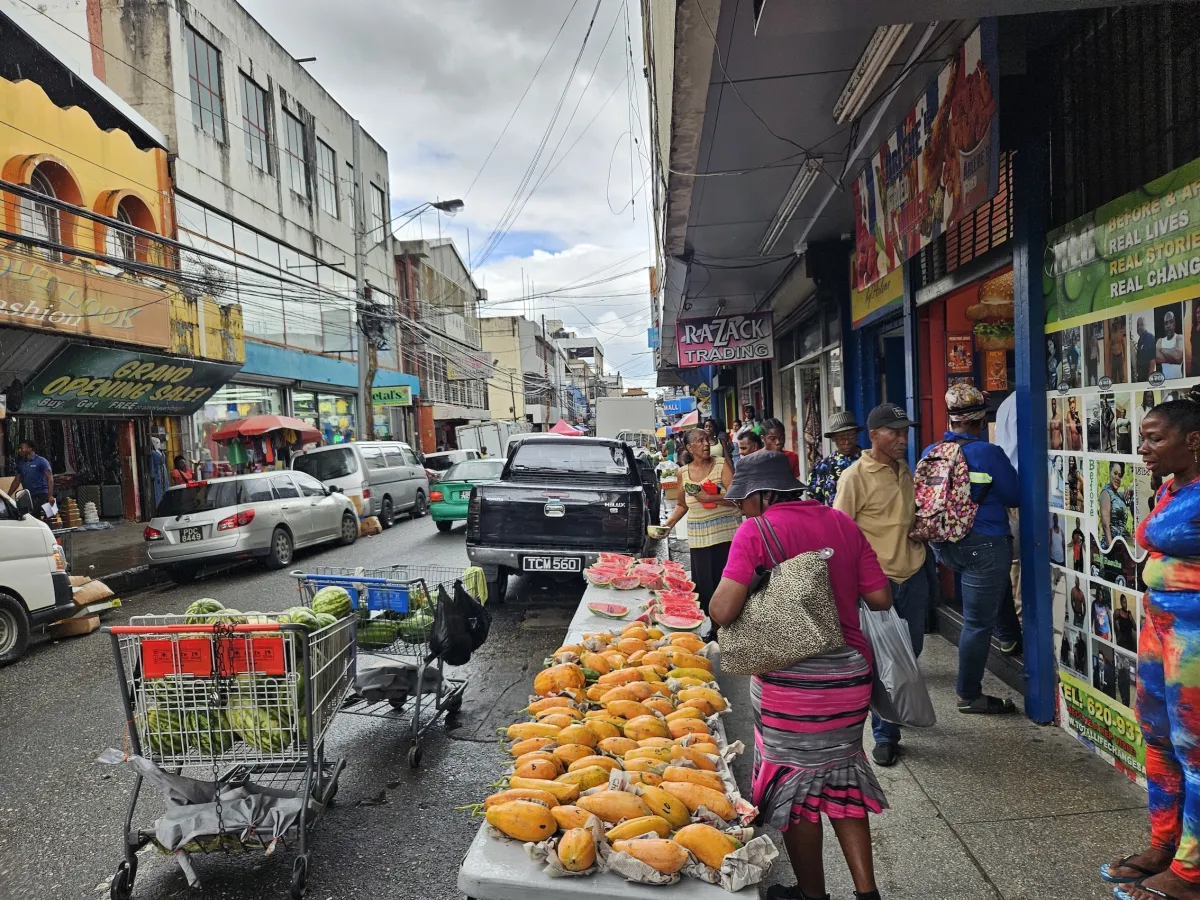
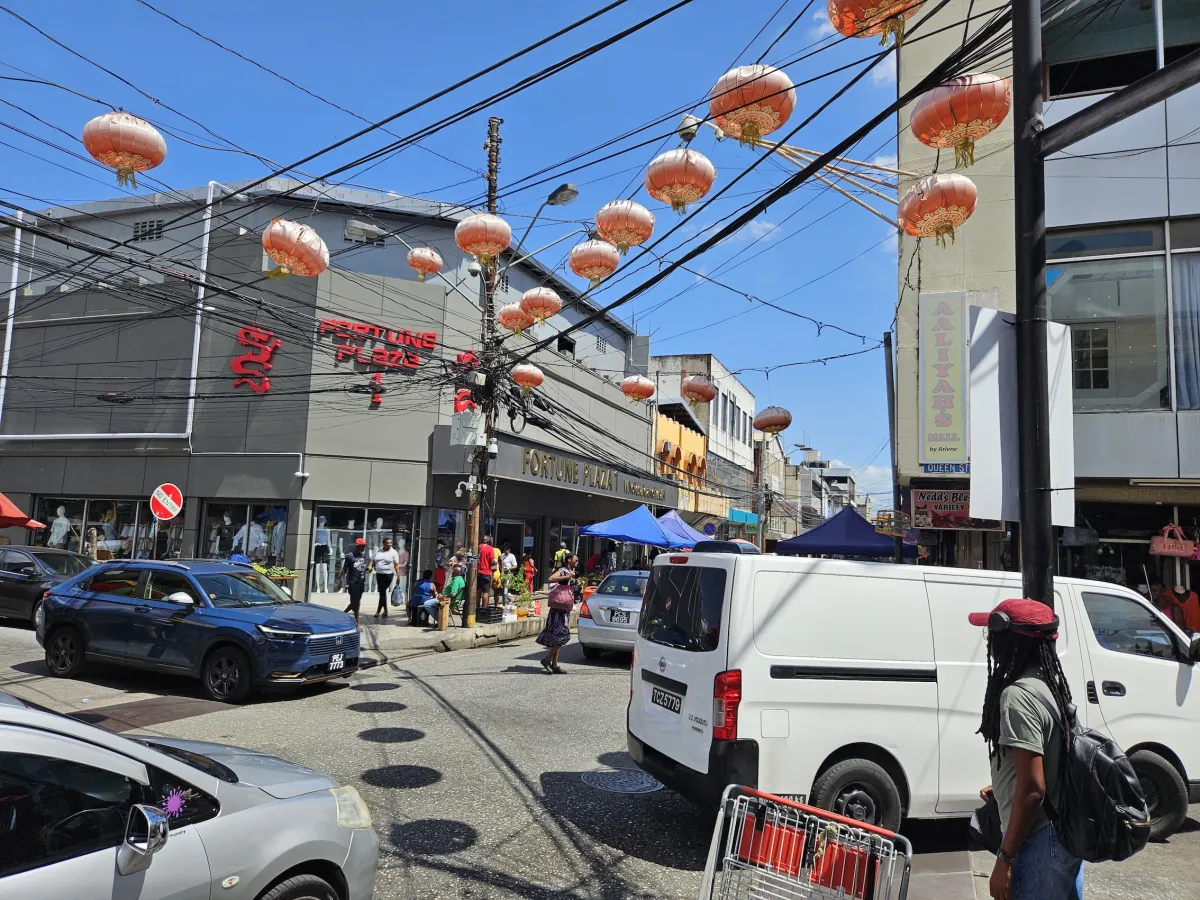
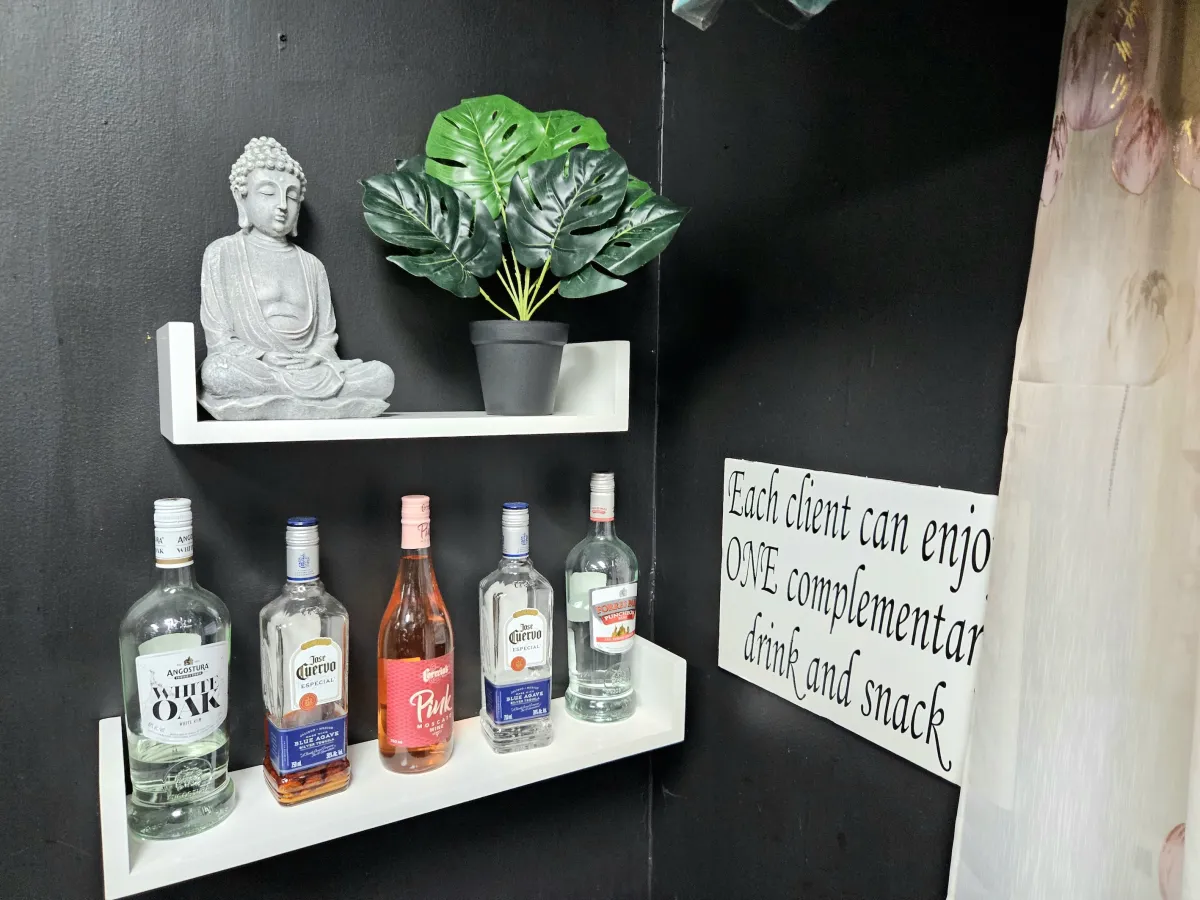
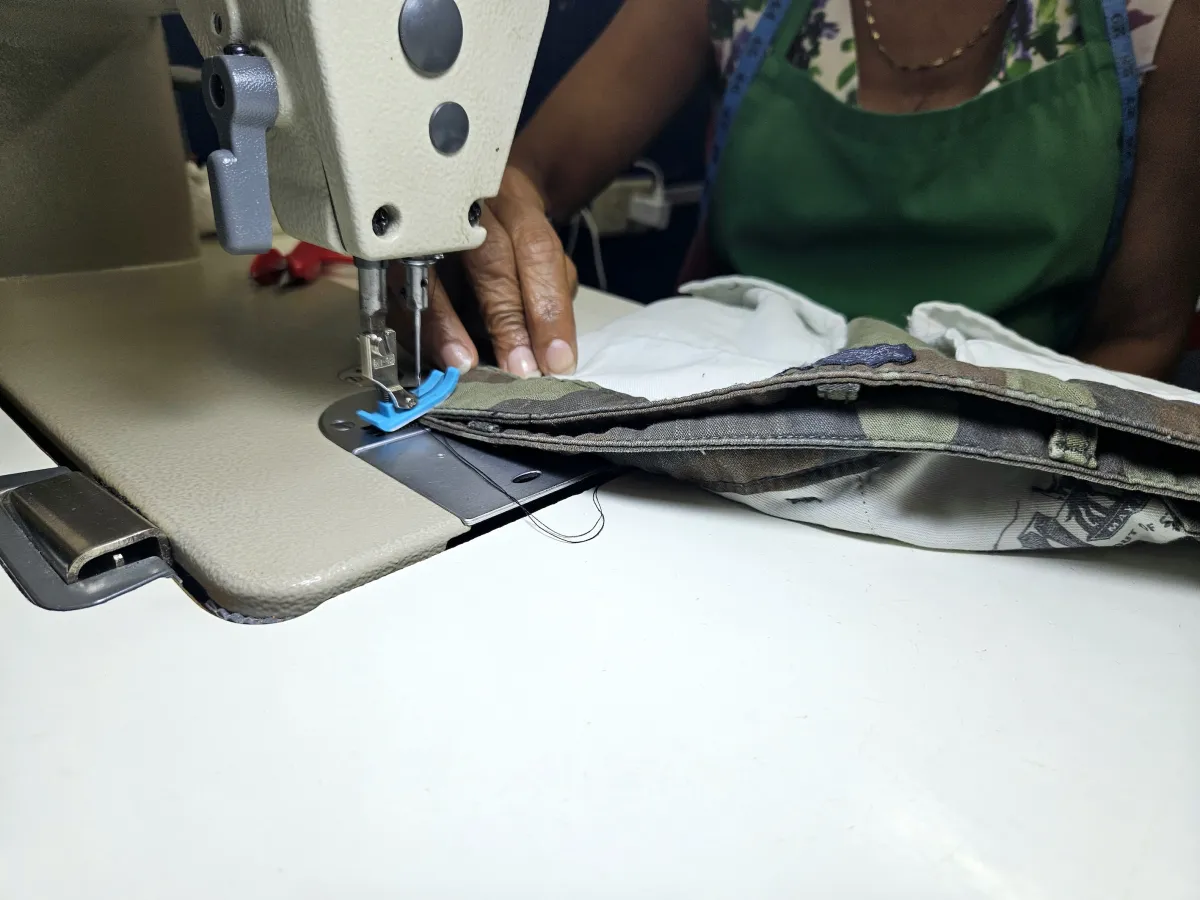
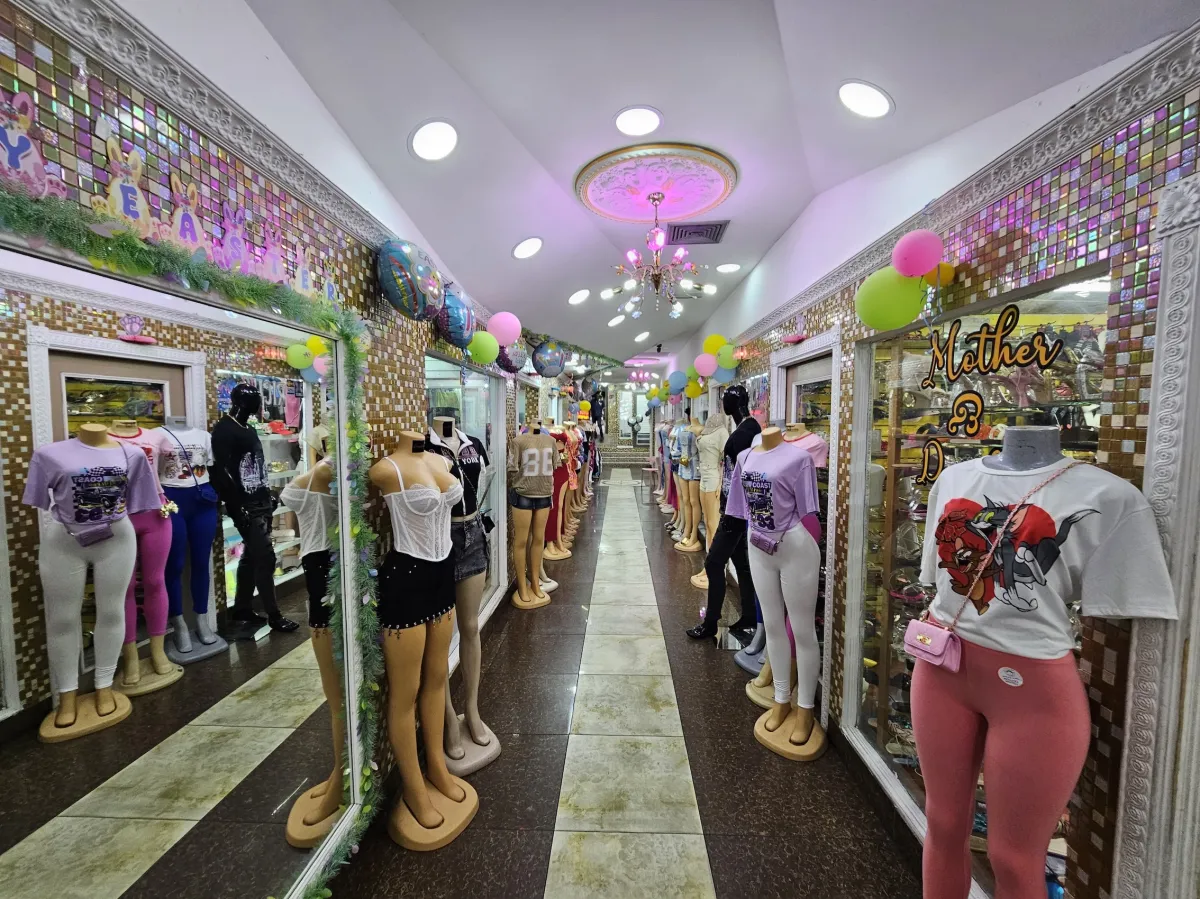
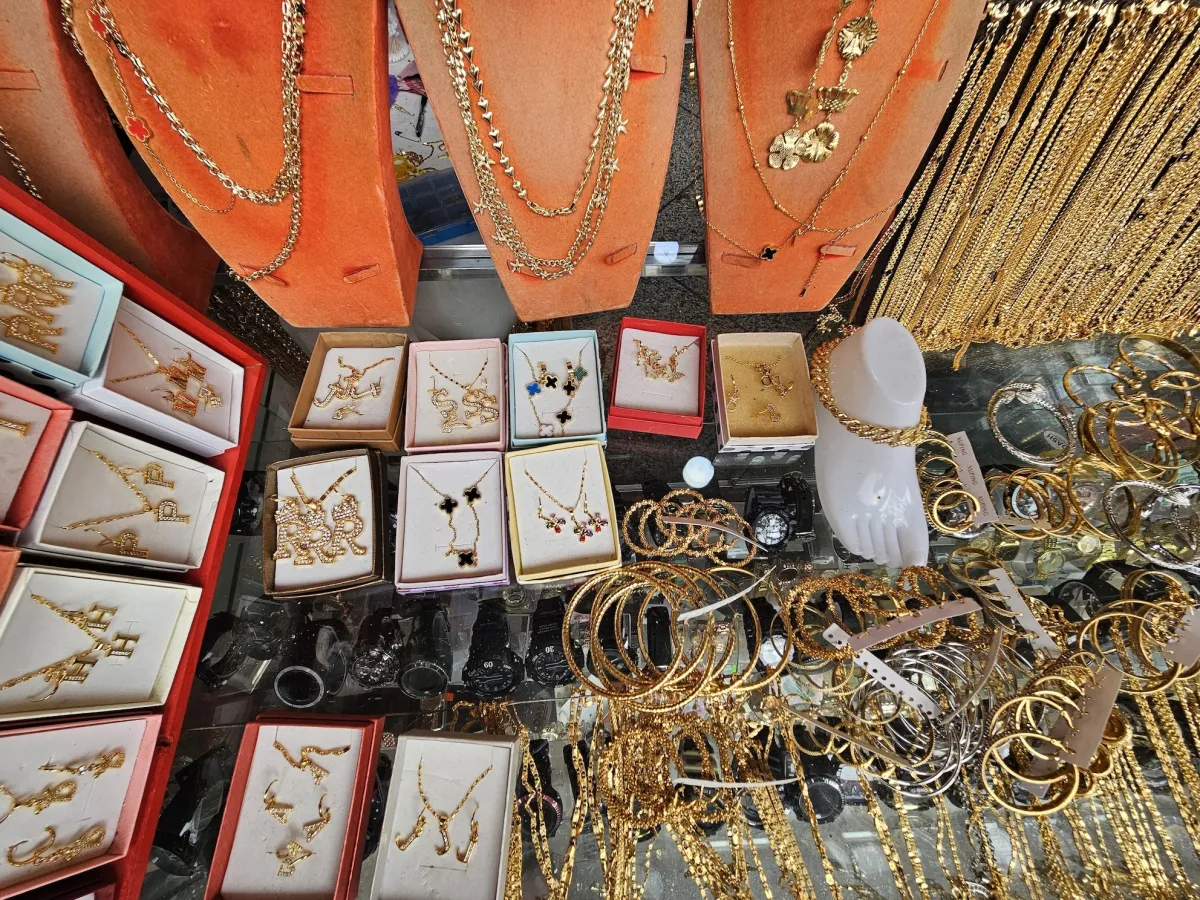
amílcar peter sanatan, Darron James, and Deneka Thomas walked their ethnography of Charlotte Street, Port-of-Spain, between November 2024 and June 2025. Like the flâneur antillais, the research team walked the capital city to record the voices of hairstylists, nail technicians, seamstresses, and roadside vendors. This roving interview process brought them into contact with entrepreneurs in situ – in their salons, studios, and booths to discuss their aspirations, management styles, and deep-seated sense of place. Many of these business owners were women from East Port-of-Spain. They demonstrated their expertise in beauty culture with framed certificates of achievement on their walls. Through business ownership in the city, the interlocutors were able to create economic livelihoods, support families, and build social networks outside of their communities. Yet, the research team returned to the question Alissa Trotz (2015, 188) once asked, “How to keep a focus on futures beyond coloniality, while navigating the ways it seeps into the spaces that we inhabit, the inescapable entanglement?”
The study illustrated the diverse architecture of commerce on the street, ranging from roadside vendors who assemble and dismantle their economic livelihoods daily, to the historic East Side Shopping Plaza, a publicly owned space established to foster the entrepreneurial capacity of the working class. Malls also functioned as spaces of care. Pedestrians used malls for bathroom facilities. Malls were an intimate setting of hair braiding. Some clients exchanged medical advice and personal triumphs. Neighbouring entrepreneurs shared meals and equipment. Malls were filled with a sense of community and mutual support.
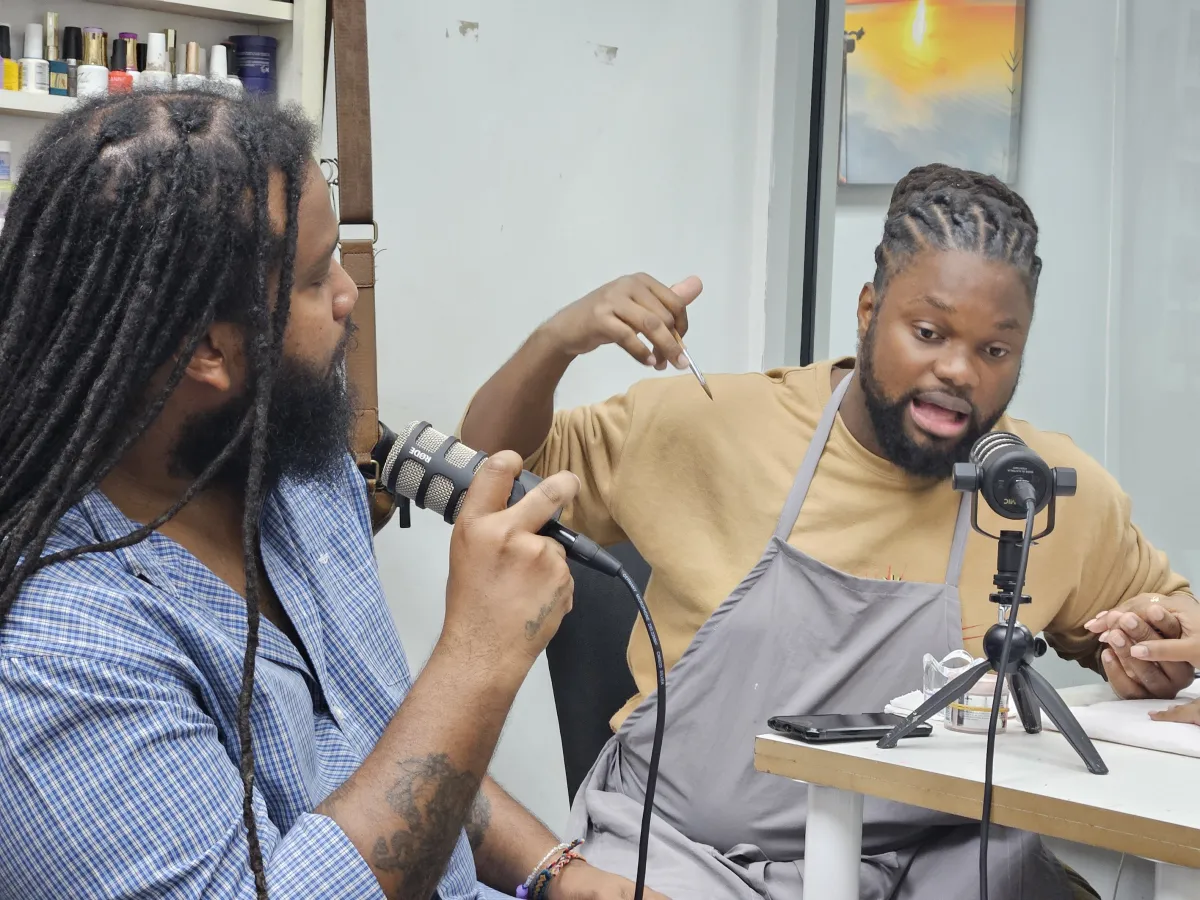
Inspired by the creativity of interlocutors and collaborators, Deneka and amílcar converted a hair braiding booth within a Charlotte Street mall into a temporary podcast studio to co-produce
References
Trotz, Alissa. 2015. “Inescapable Entanglements: Notes on Caribbean Feminist Engagement.” Caribbean Review of Gender Studies 9: 179-194
Walcott, Derek. 1992. “The Antilles: Fragments of Epic Memory.” Nobel Prize Lecture
On June 10, 2025,
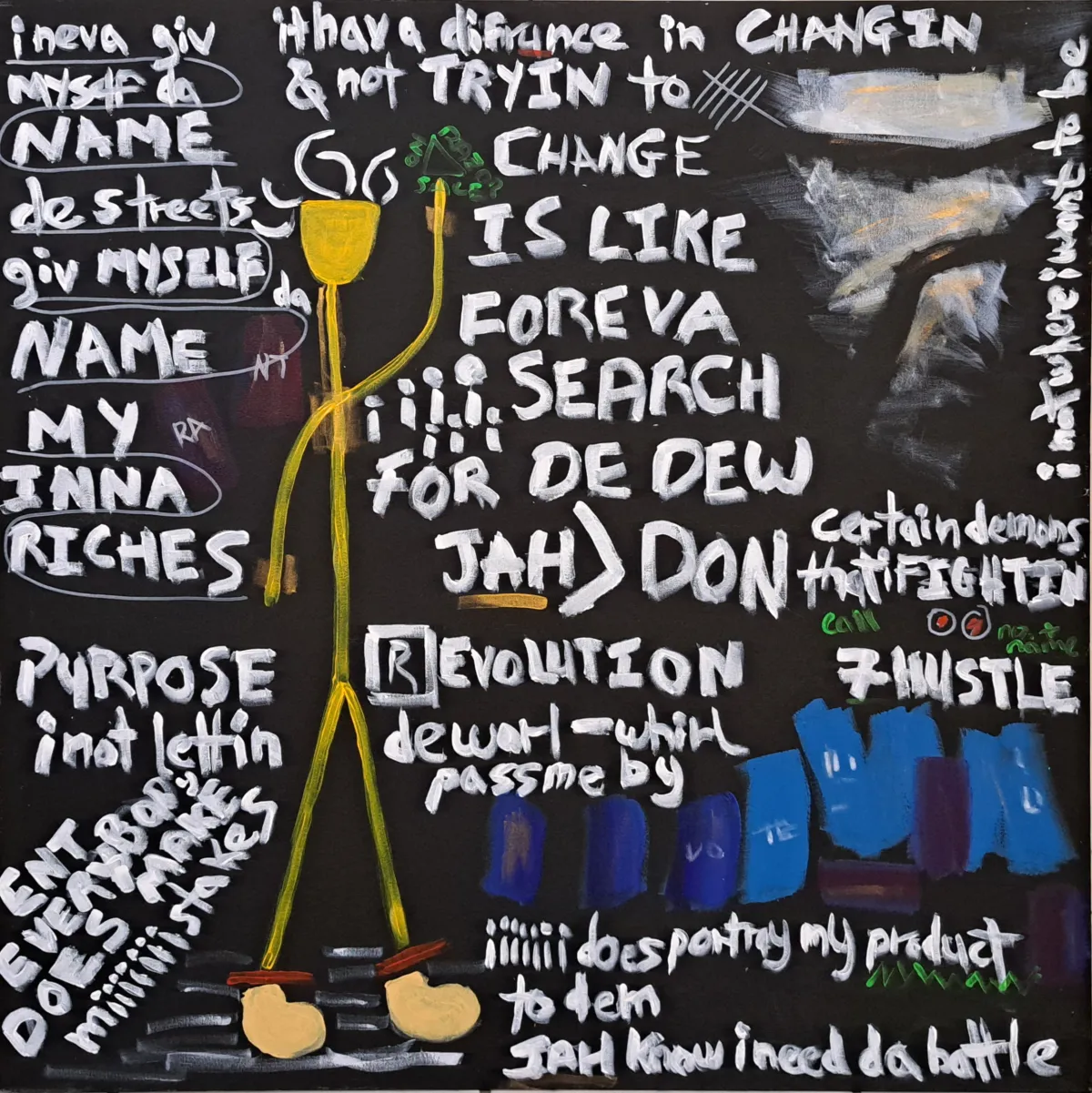
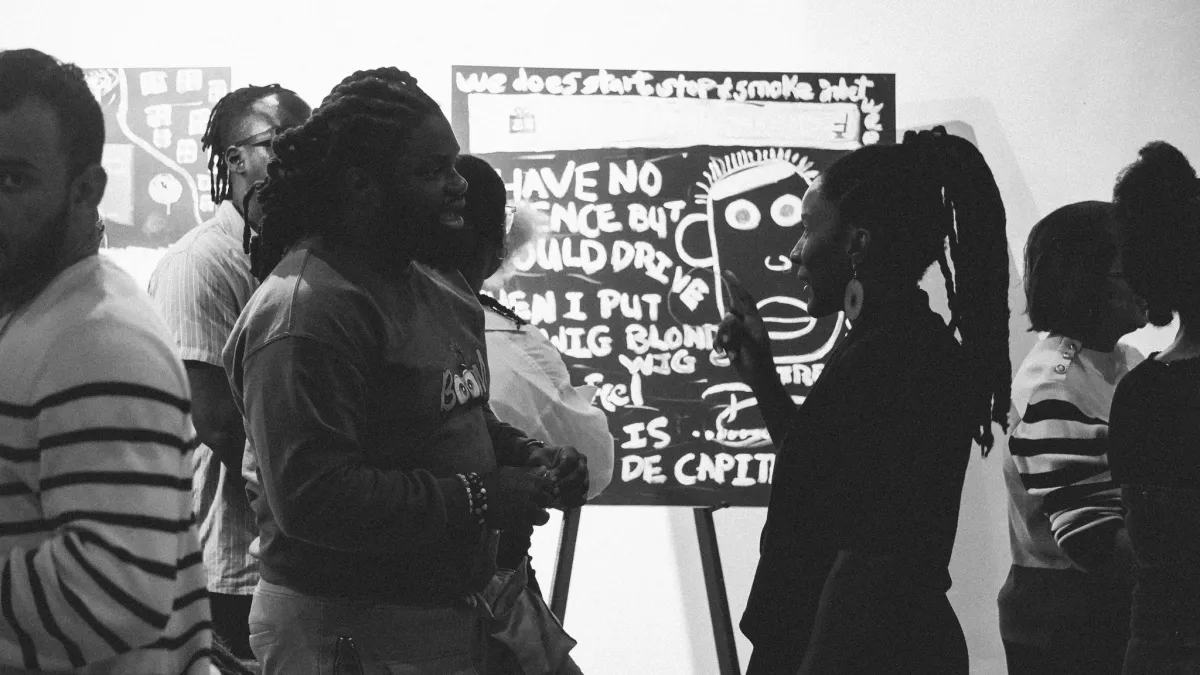
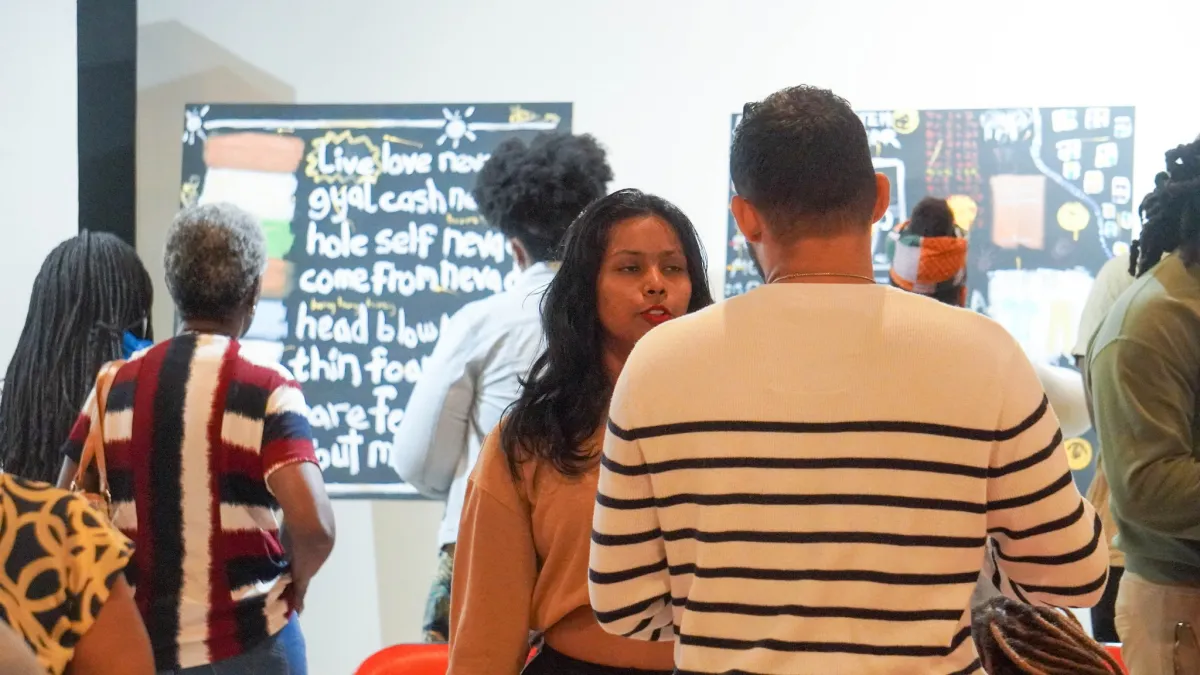
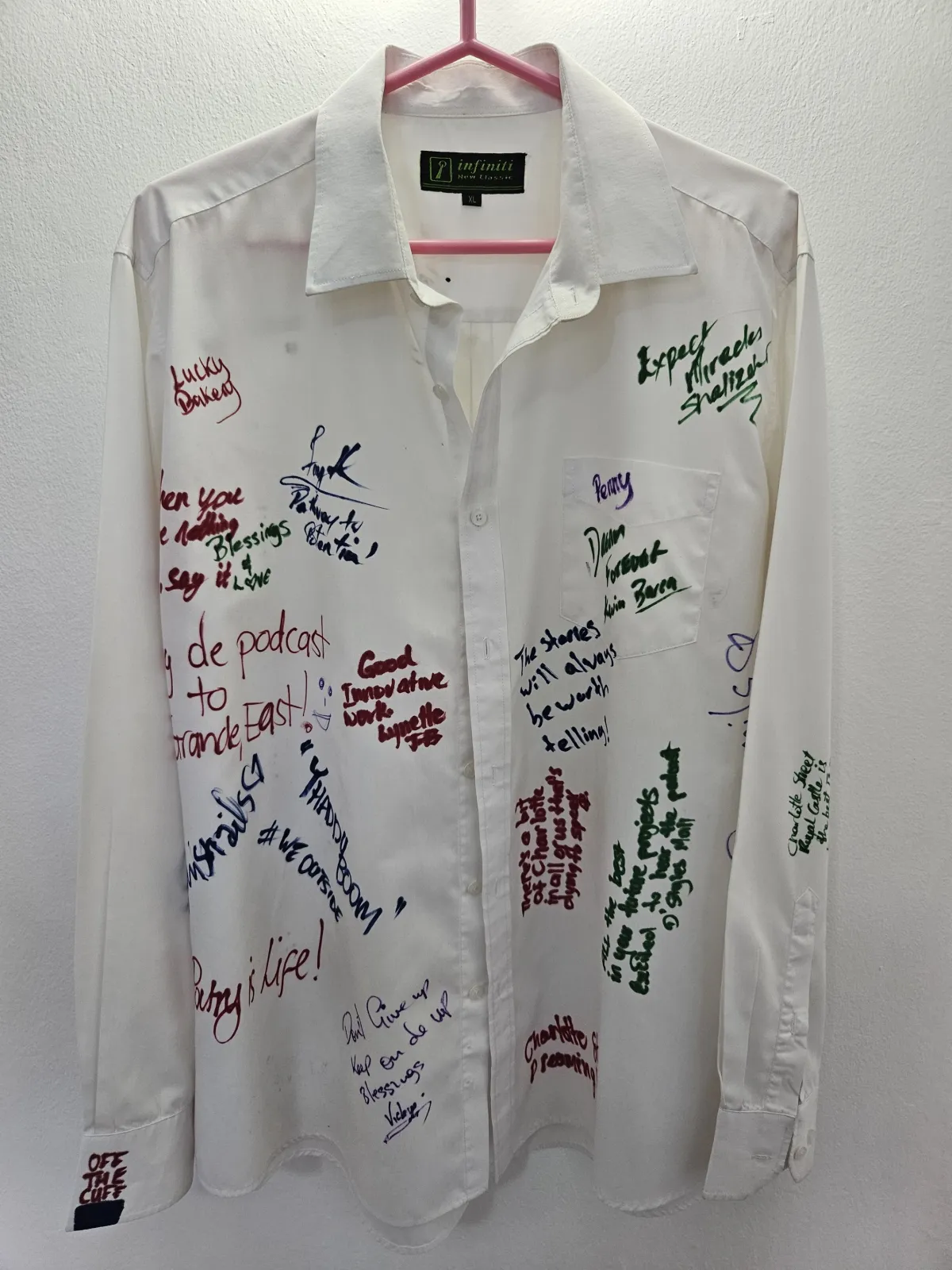
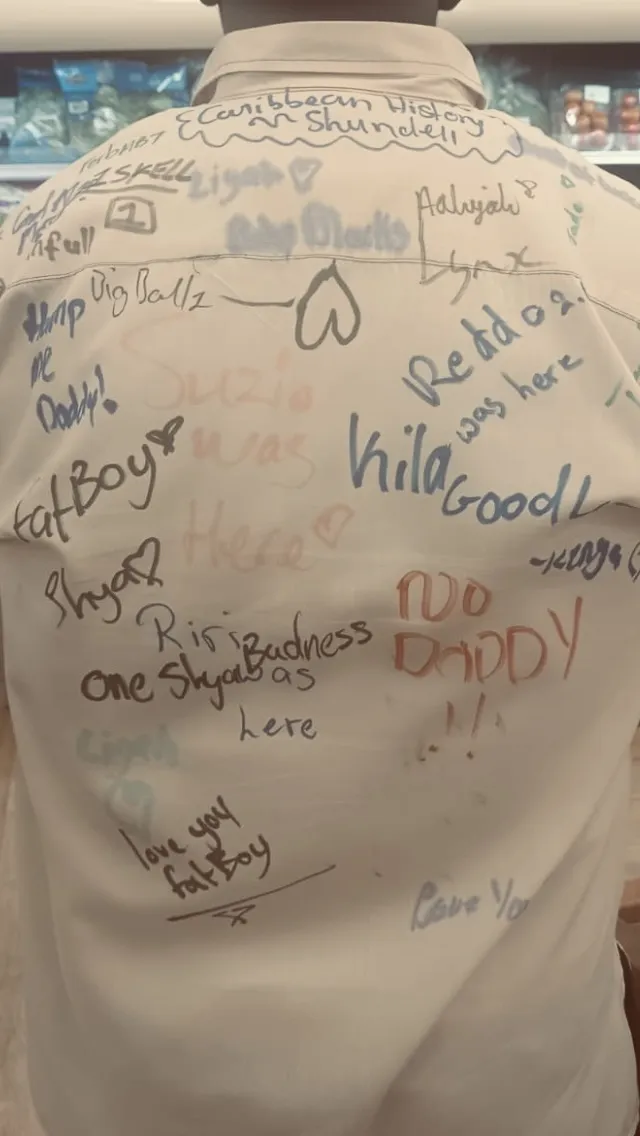
The exhibition “ou ka matjé maji toupatou/ you are writing nonsense everywhere" by amílcar peter sanatan was directly inspired by the student tradition of marking names on school uniforms at the end of their school life and the signography of Port-of-Spain. The artwork incorporated the visual language of the city, including commercial signs, street names, place names, graffiti, and the prices of goods written in marker on pieces of cardboard. The artwork featured transcribed text from Charlotte Street entrepreneurs and
The project’s atmosphere was also shaped by the soundscapes of Charlotte Street, where CD sellers and their pavement sound systems play music such as the Drop Leaf Riddim. A specific lyric from
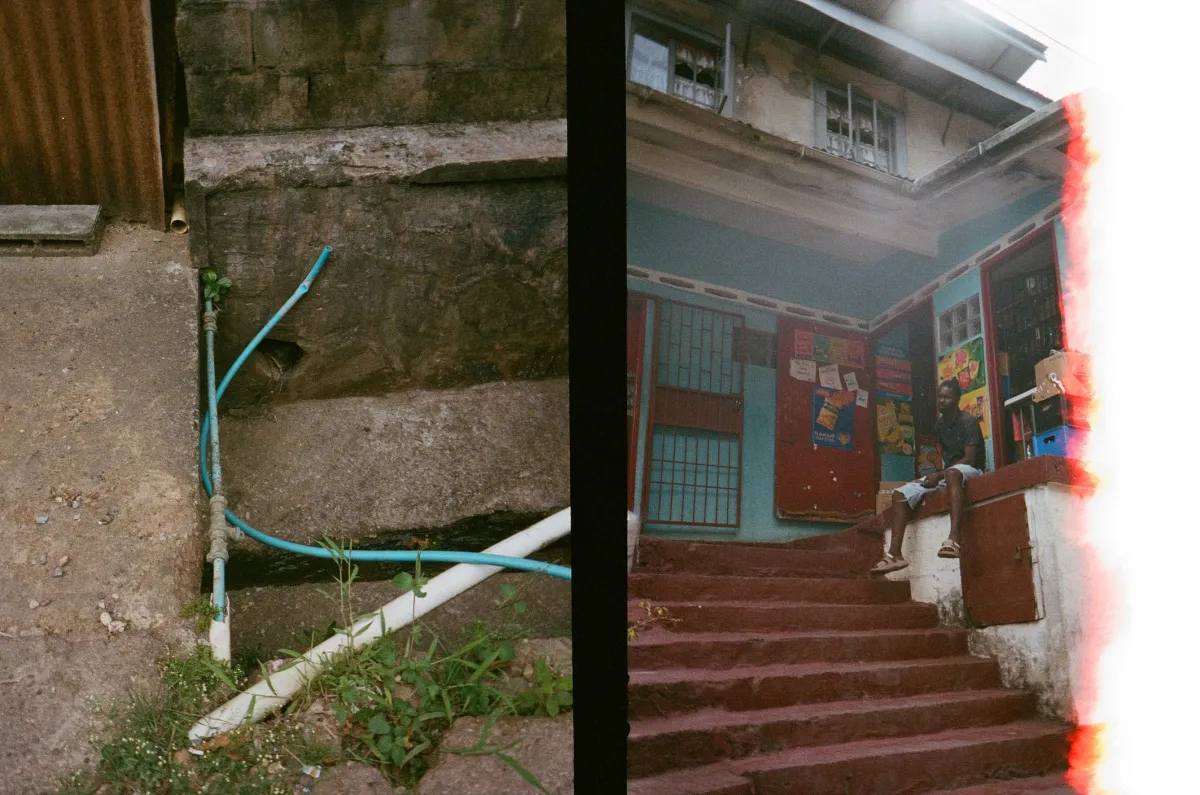
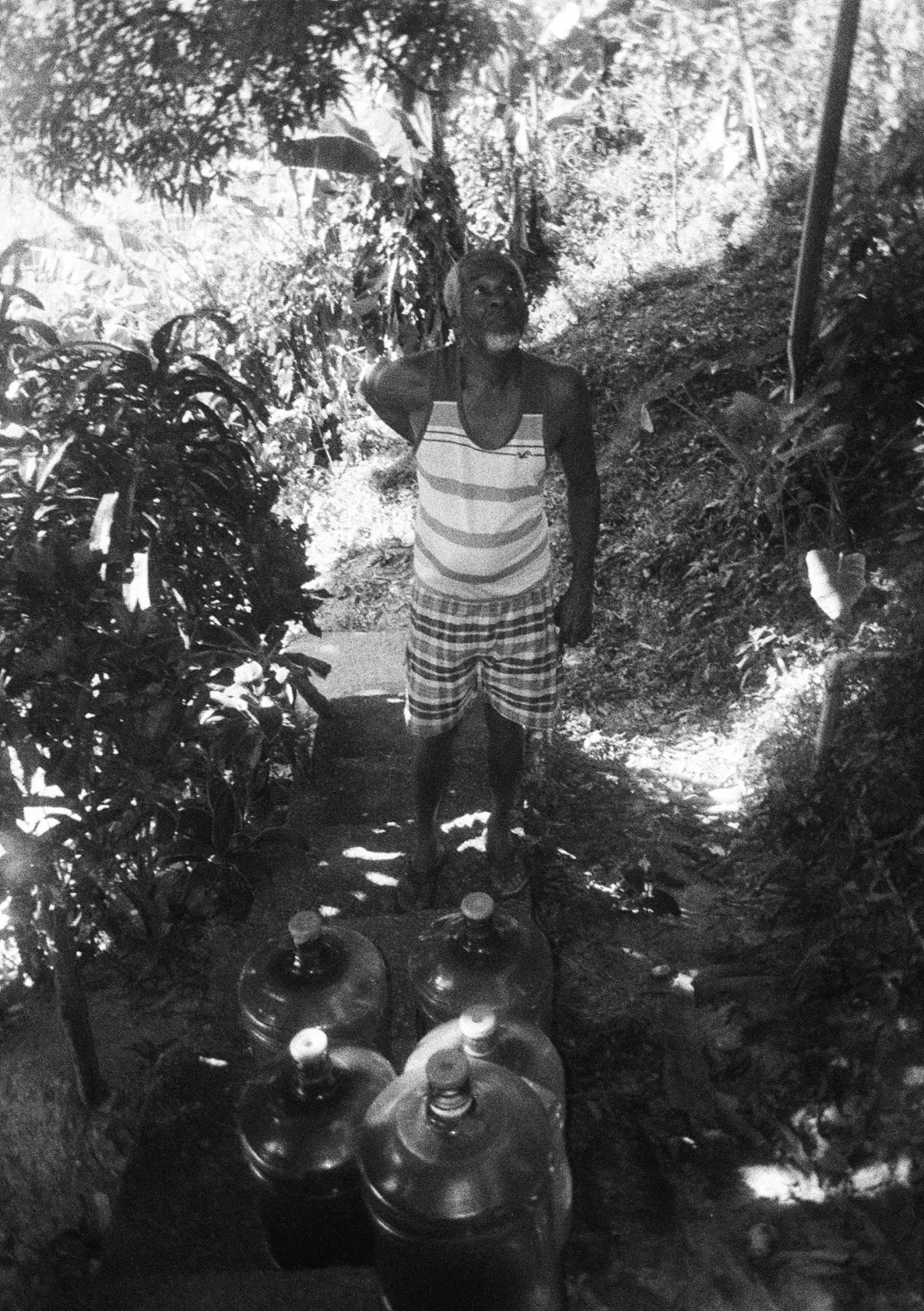
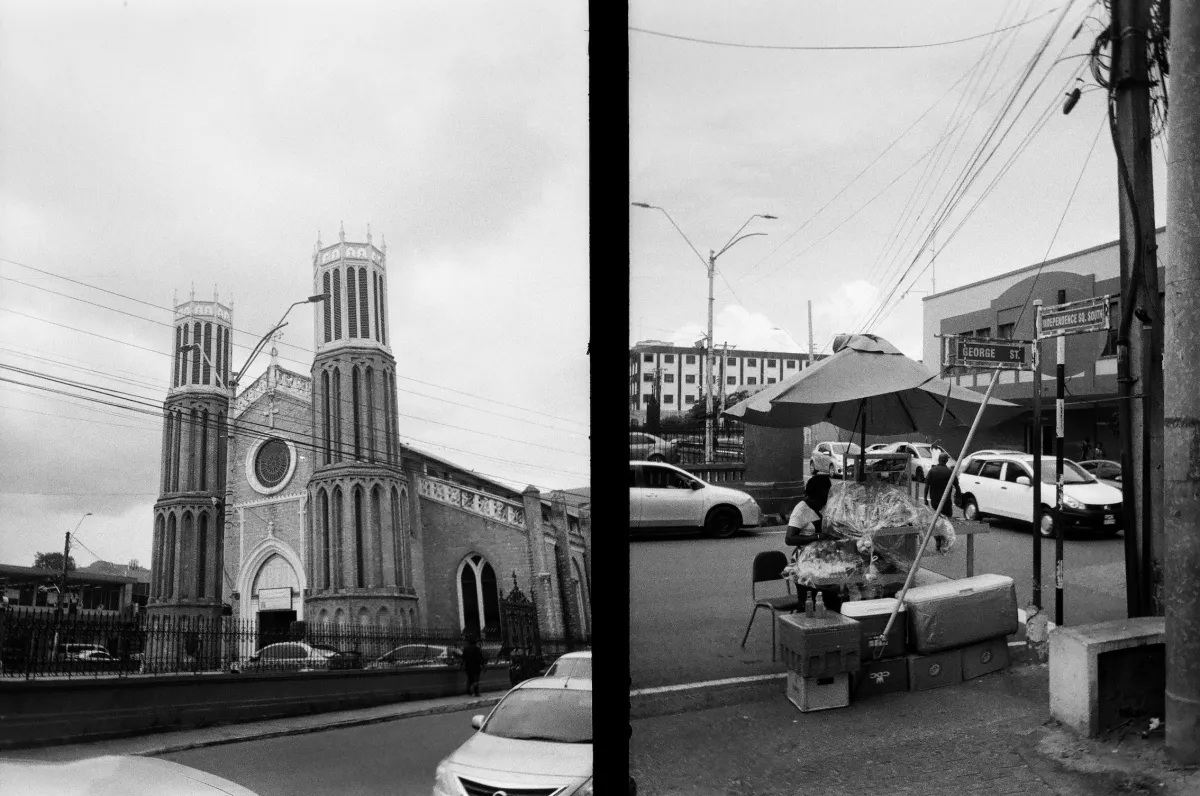
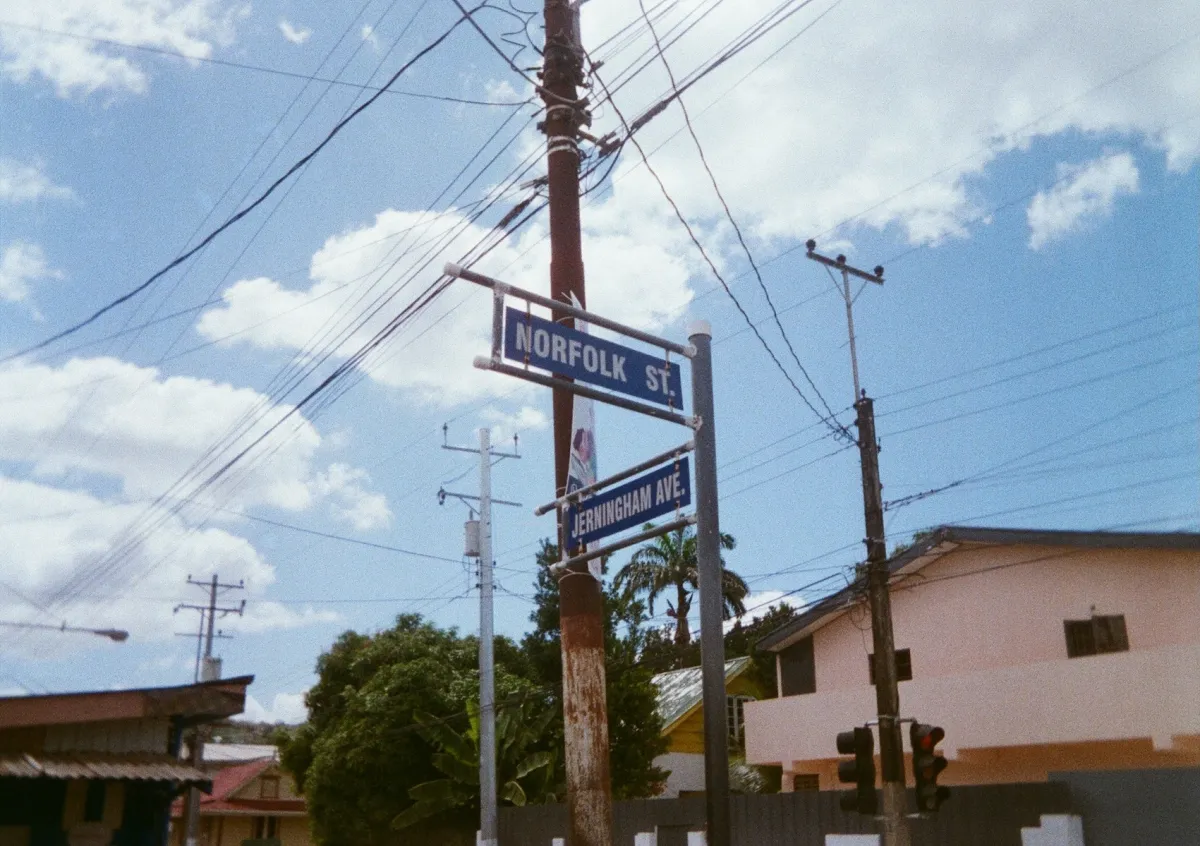
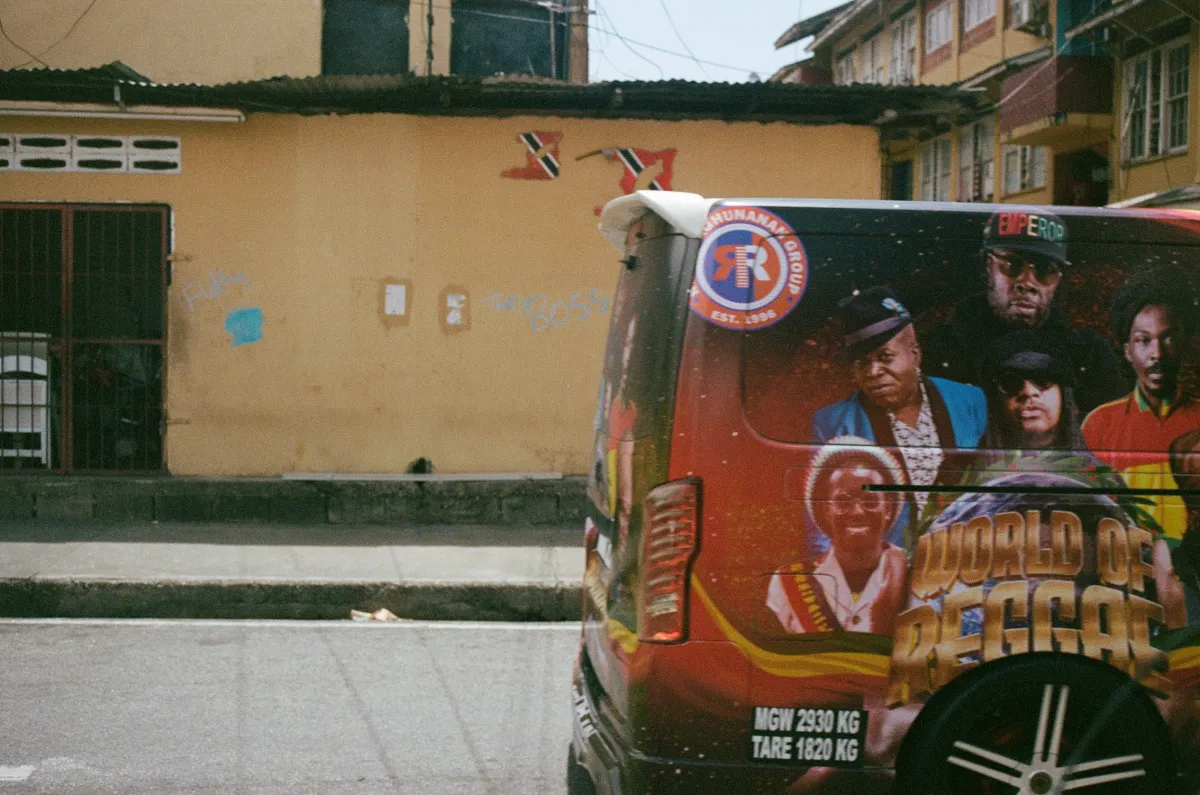
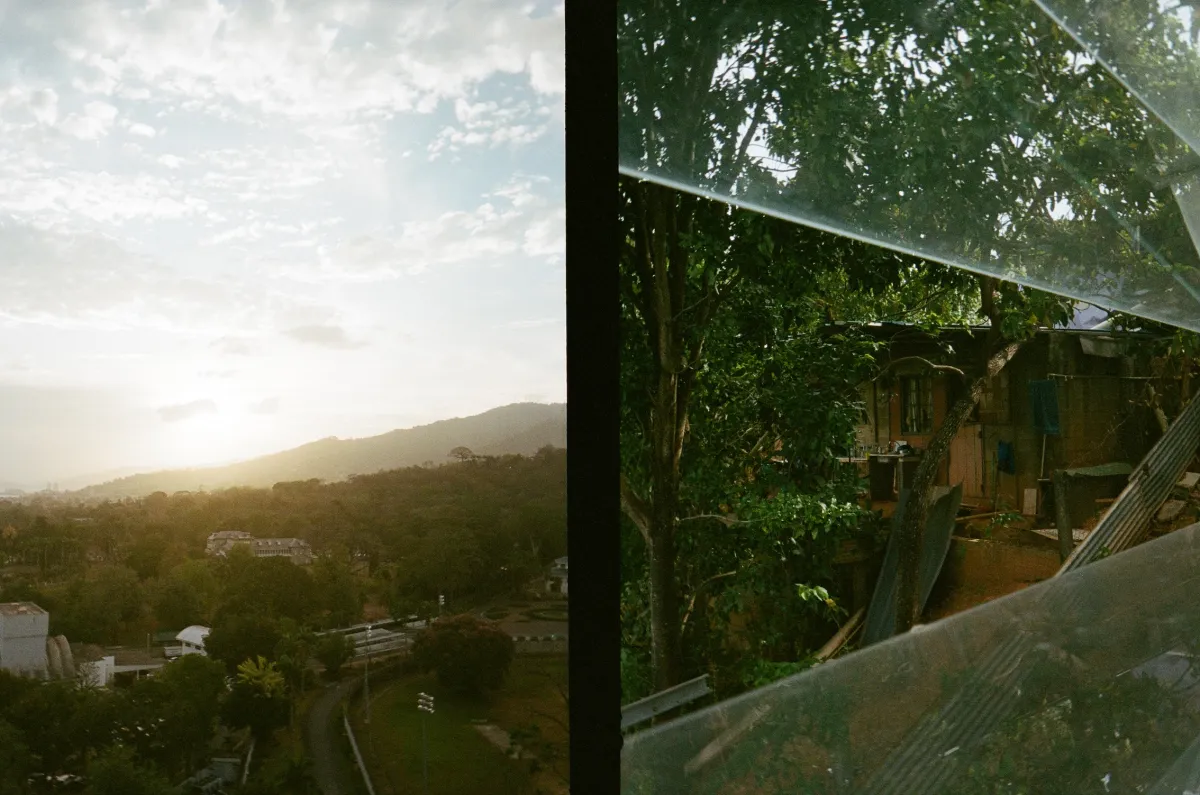
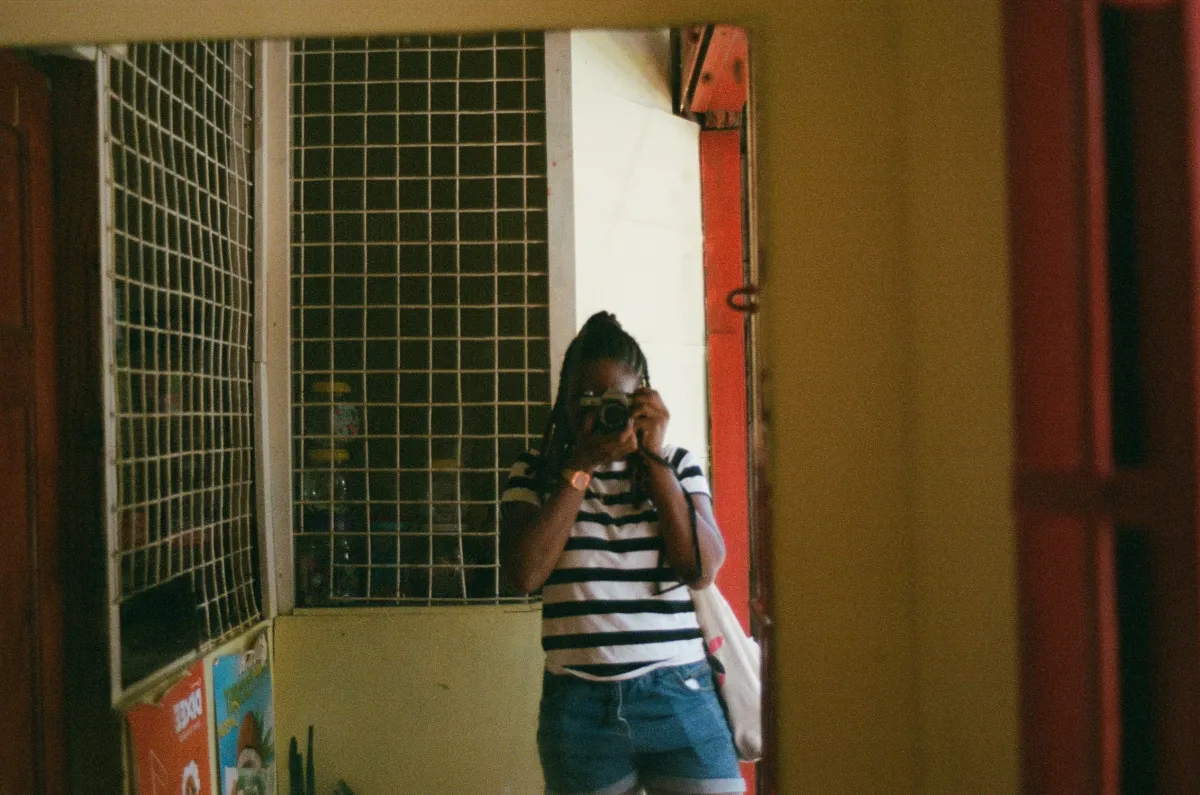
“Behind God Back” is a photography series by
Shari is a film director, photographer, archivist, and educator whose work amplifies narratives and aesthetics of the Caribbean and African diasporas. A Fulbright Scholar with an MFA in Film Production-Cinematography from Florida State University and a BA in Film Studies from the University of the West Indies, Shari rejects emotional detachment in her work and strives for intentionality and engaged ethnography. Her photography observes cultural practices and social life. This visual archive honours the humanity of members of her community while exposing underlying inequalities. As a collaborative project, selected photographs will be reviewed by amílcar peter sanatan and published as a photo-essay.
References
Carter, Martin. 1993. “A Free Community of Valid Persons.” Kyk-Over-Al 44: 30-32