Podcasts and Art in Bulawayo
In January 2026, anthropologist Saana Hansen and social justice activist Vusumuzi Chirwa continued their long-term collaboration in Bulawayo, Zimbabwe. They produced a t
These collaborations build on the ethnographic engagement that began in 2016 as part of Saana’s doctoral research on economies of care in the context of return migration from South Africa to Zimbabwe. Saana’s forthcoming book
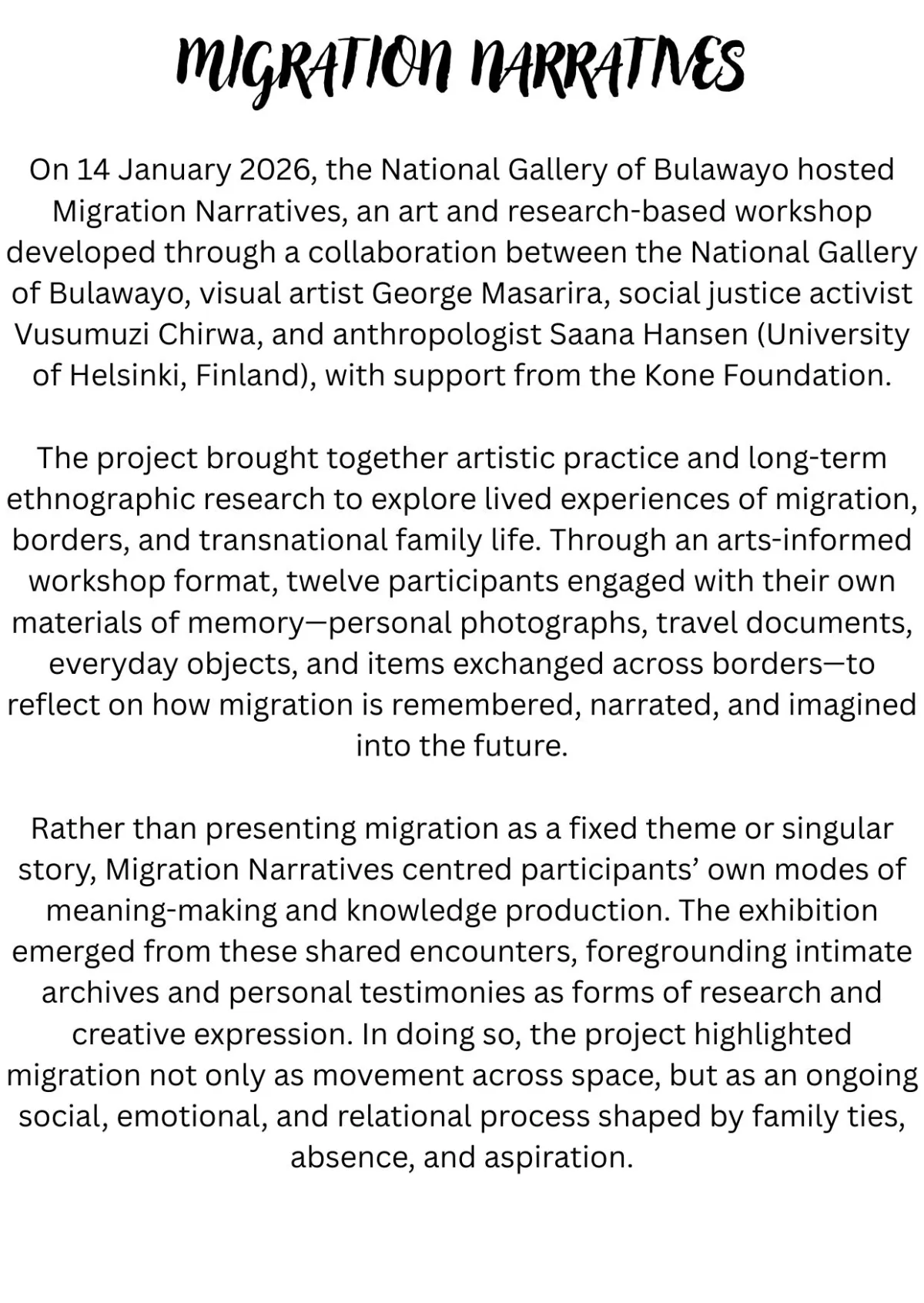
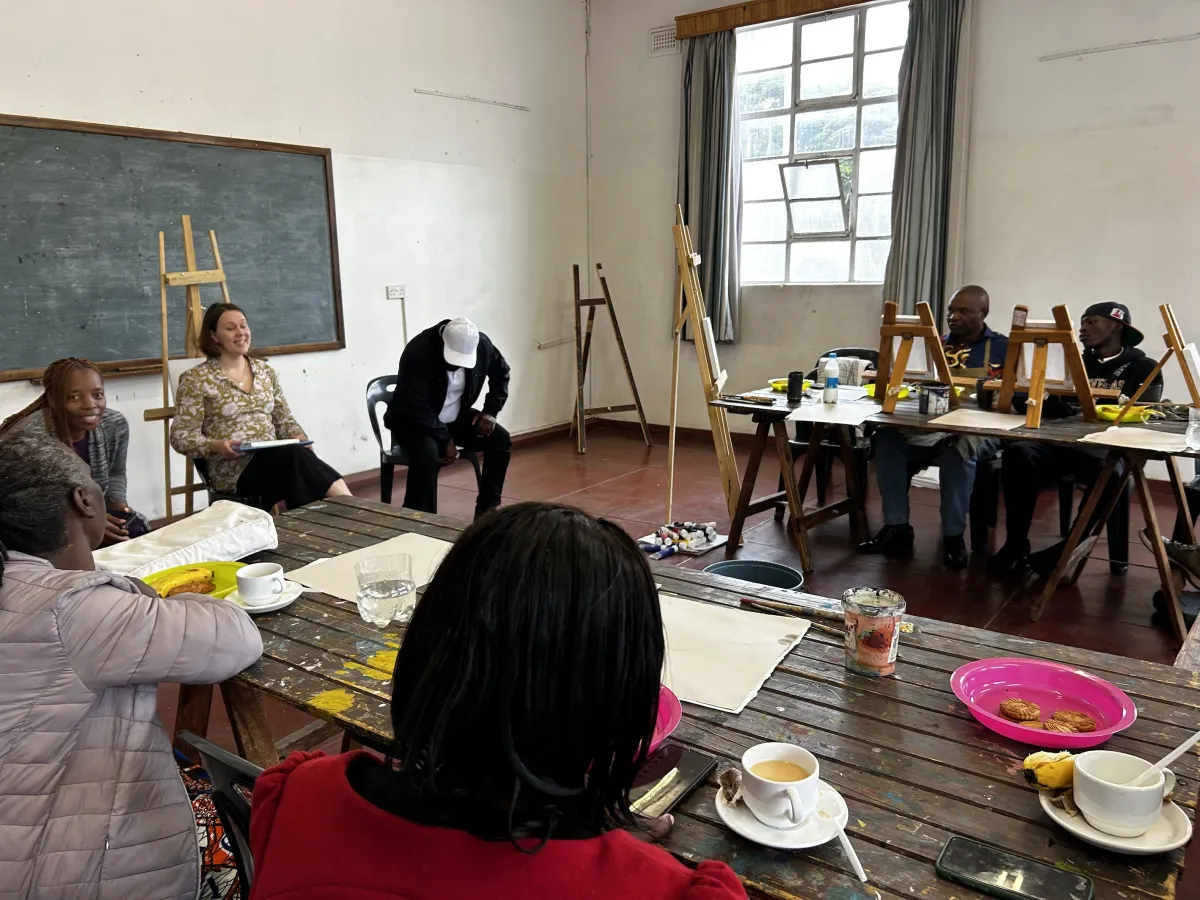
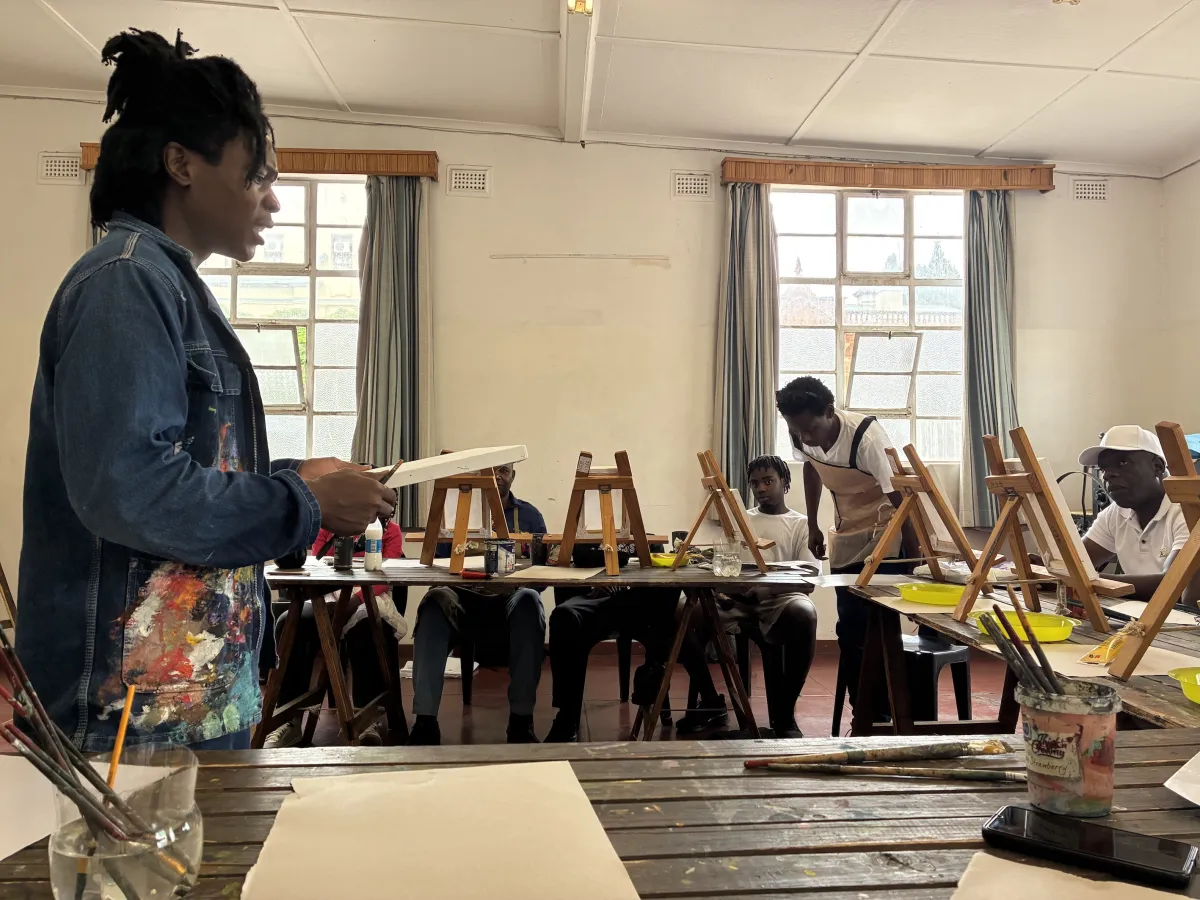
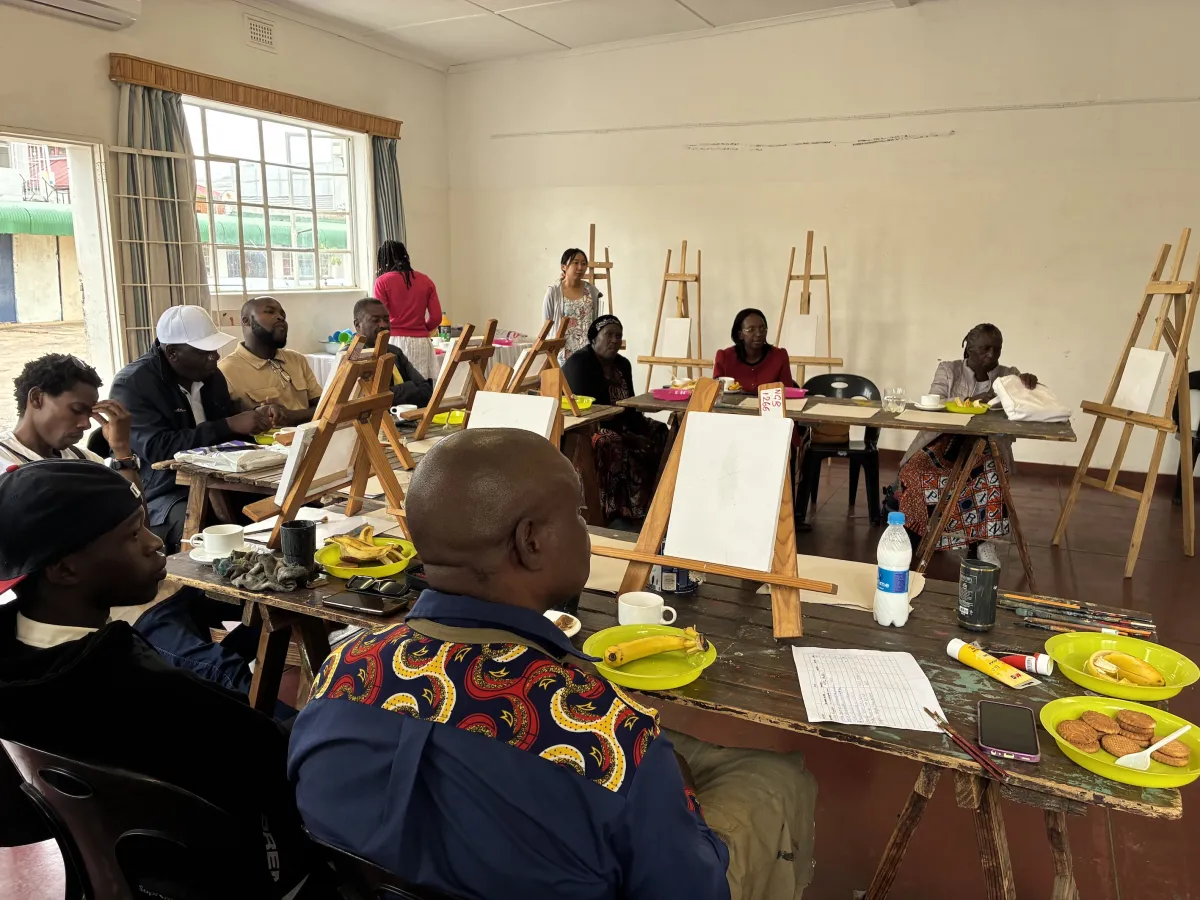
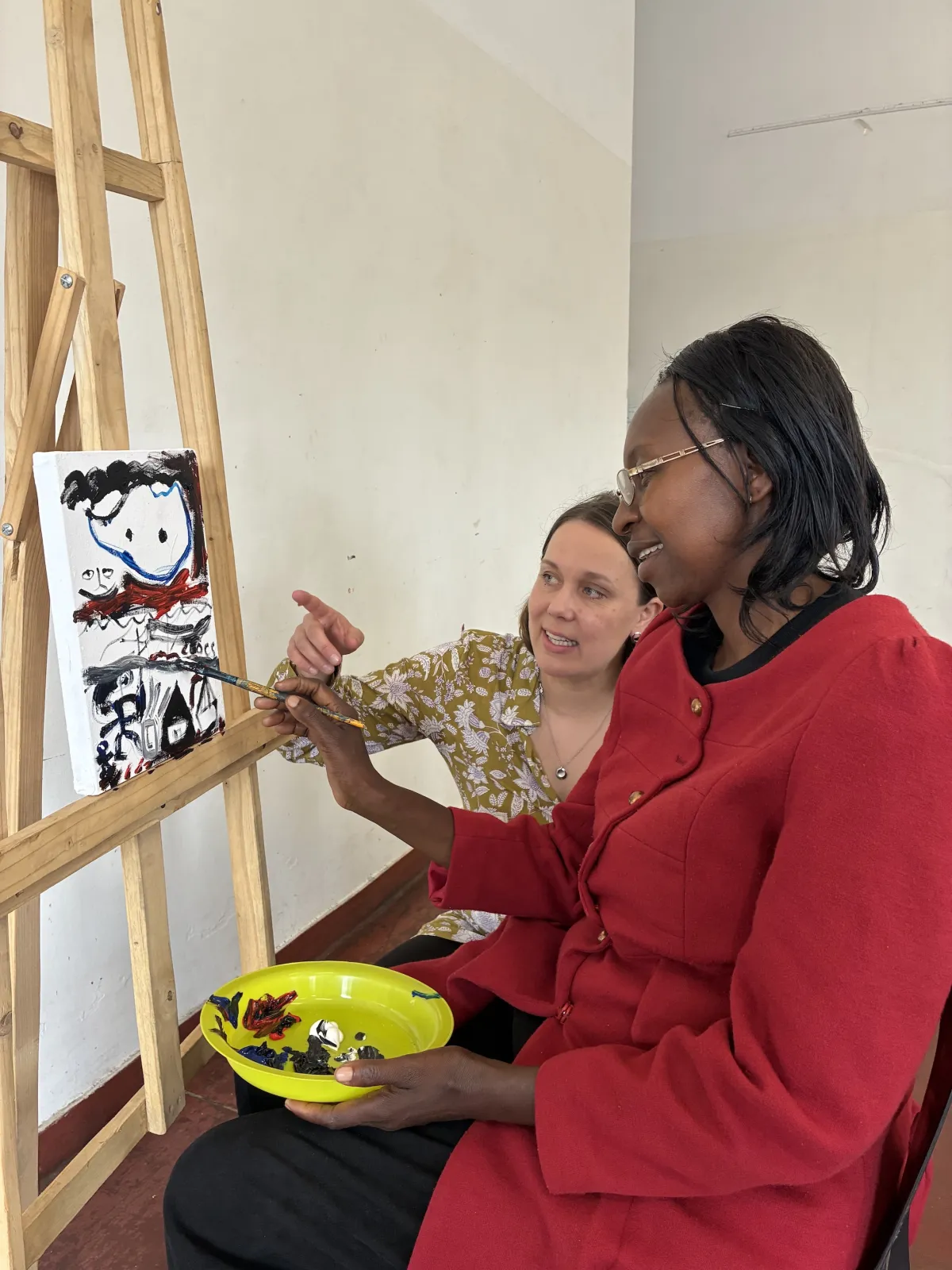
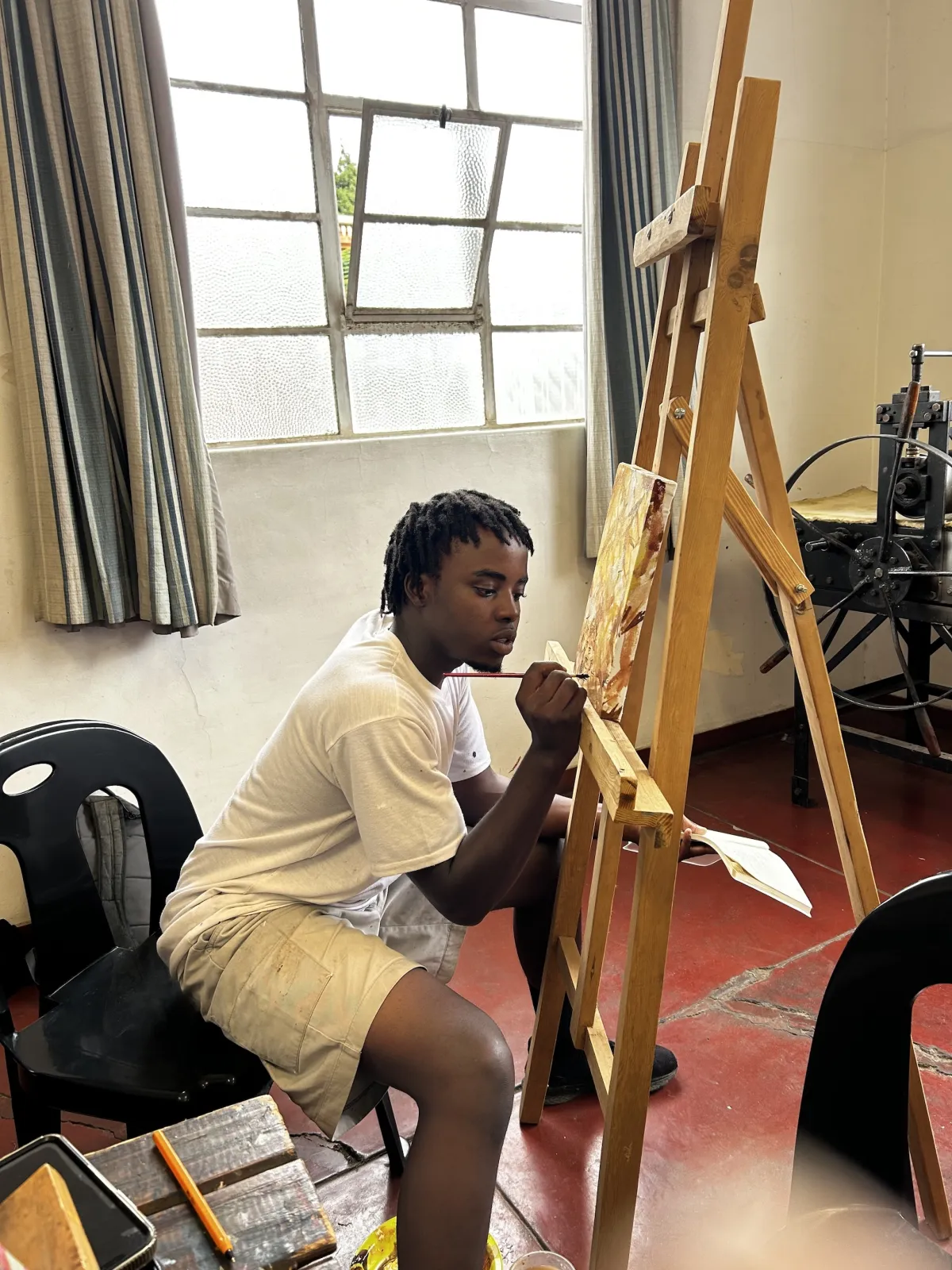
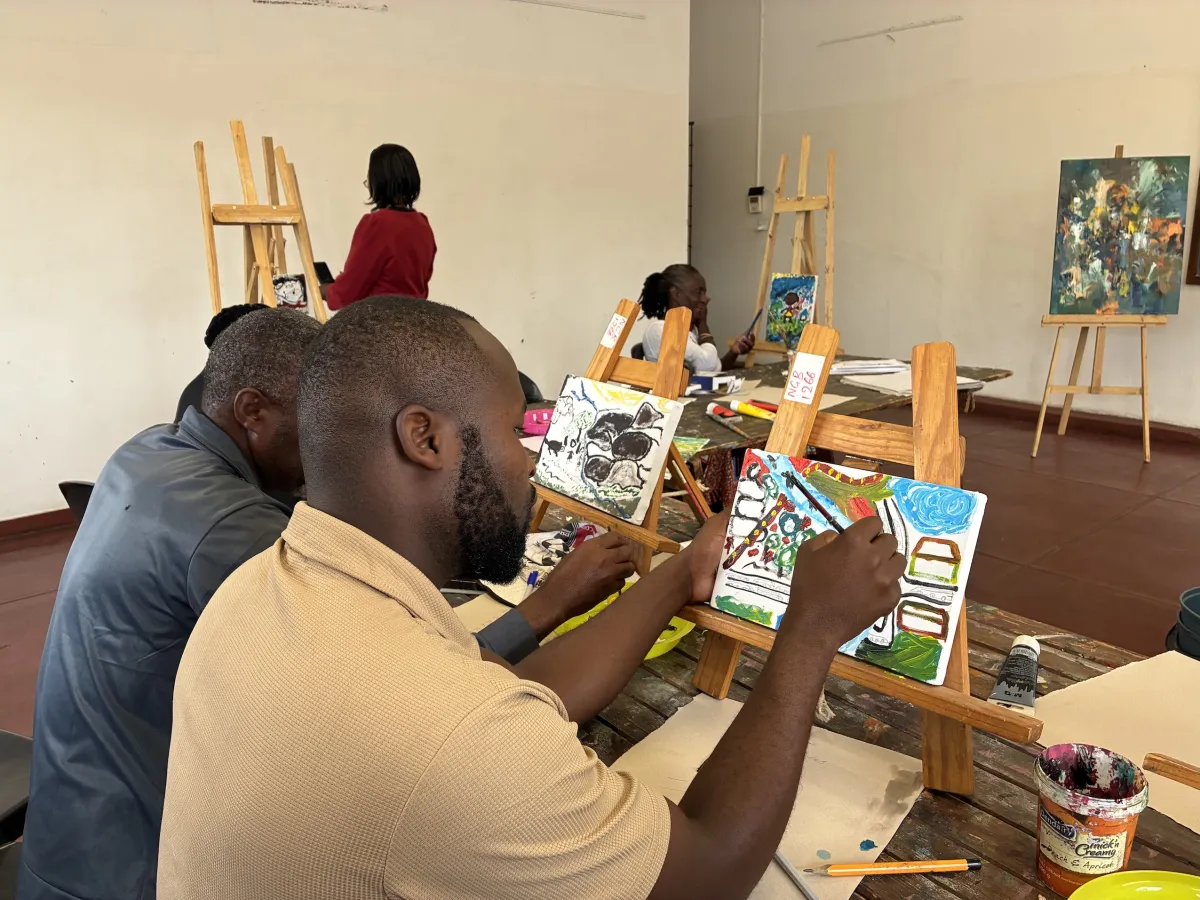
In collaboration with the National Gallery in Bulawayo, Vusumuzi Chirwa, Saana Hansen and George Masarira organized a participatory, art-based workshop bringing together young artists and long-term research participants.
The workshop drew on arts-informed and multimodal ethnographic methods, including photo elicitation, object-based storytelling, and narrative practices. Participants were invited to bring personal photographs and everyday objects connected to themes of migration, transnational family life, and future-making. Foregrounding participants’ own modes of remembering and meaning-making, photographs and objects functioned as material anchors through which life histories, family relations, and experiences of mobility and border-crossing were articulated and reimagined.
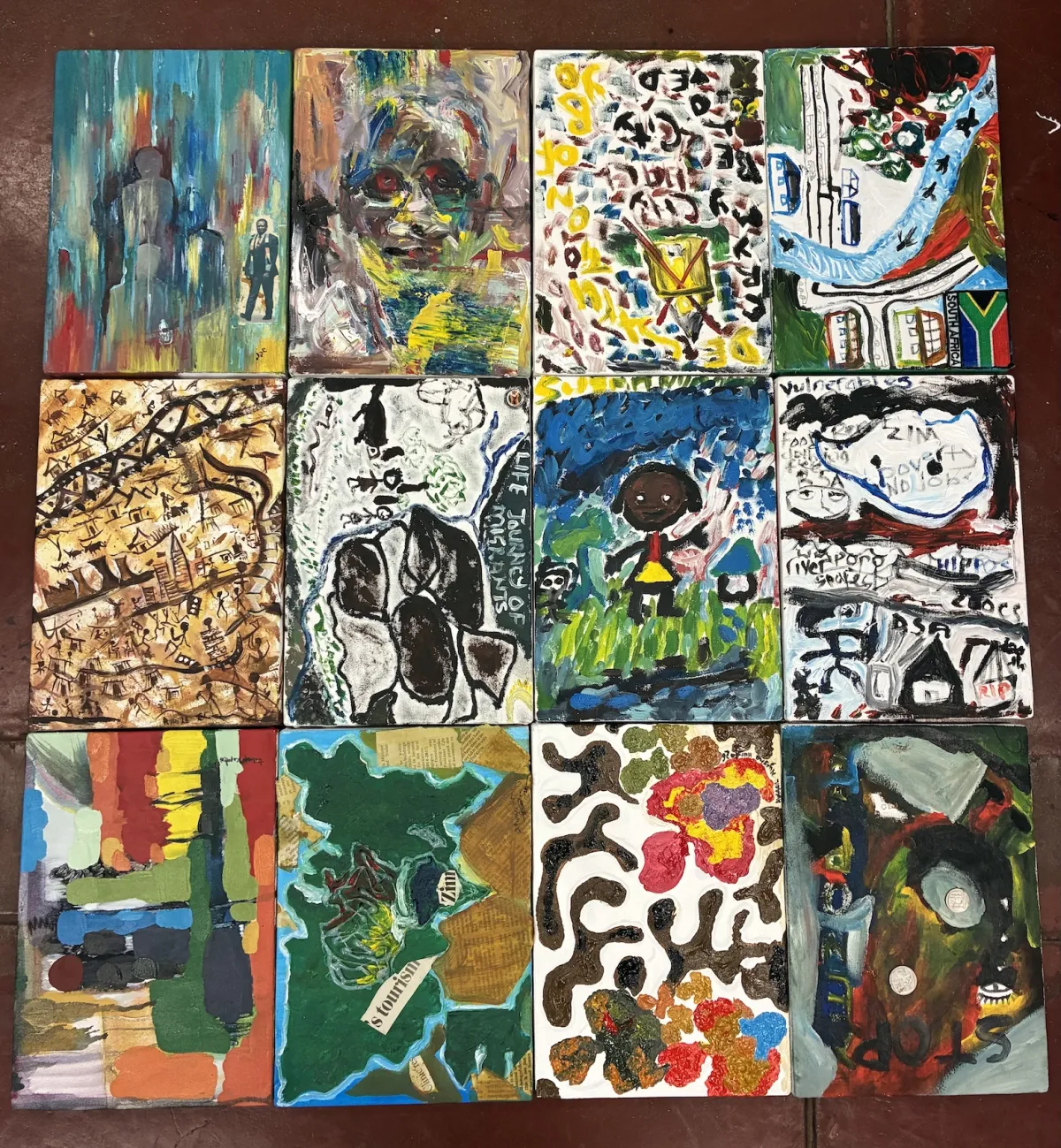
The dialogues and co-creation at the Migration Narratives workshop were an important research outcome, and they continued and evolved as exhibitions at the National Gallery in Bulawayo and at the Nehemiah Project Centre in Cowdray Park. In Cowdray Park, local teachers organized study visits to the exhibition, bringing secondary school students to engage with questions of migration, mobility, and everyday life across borders.
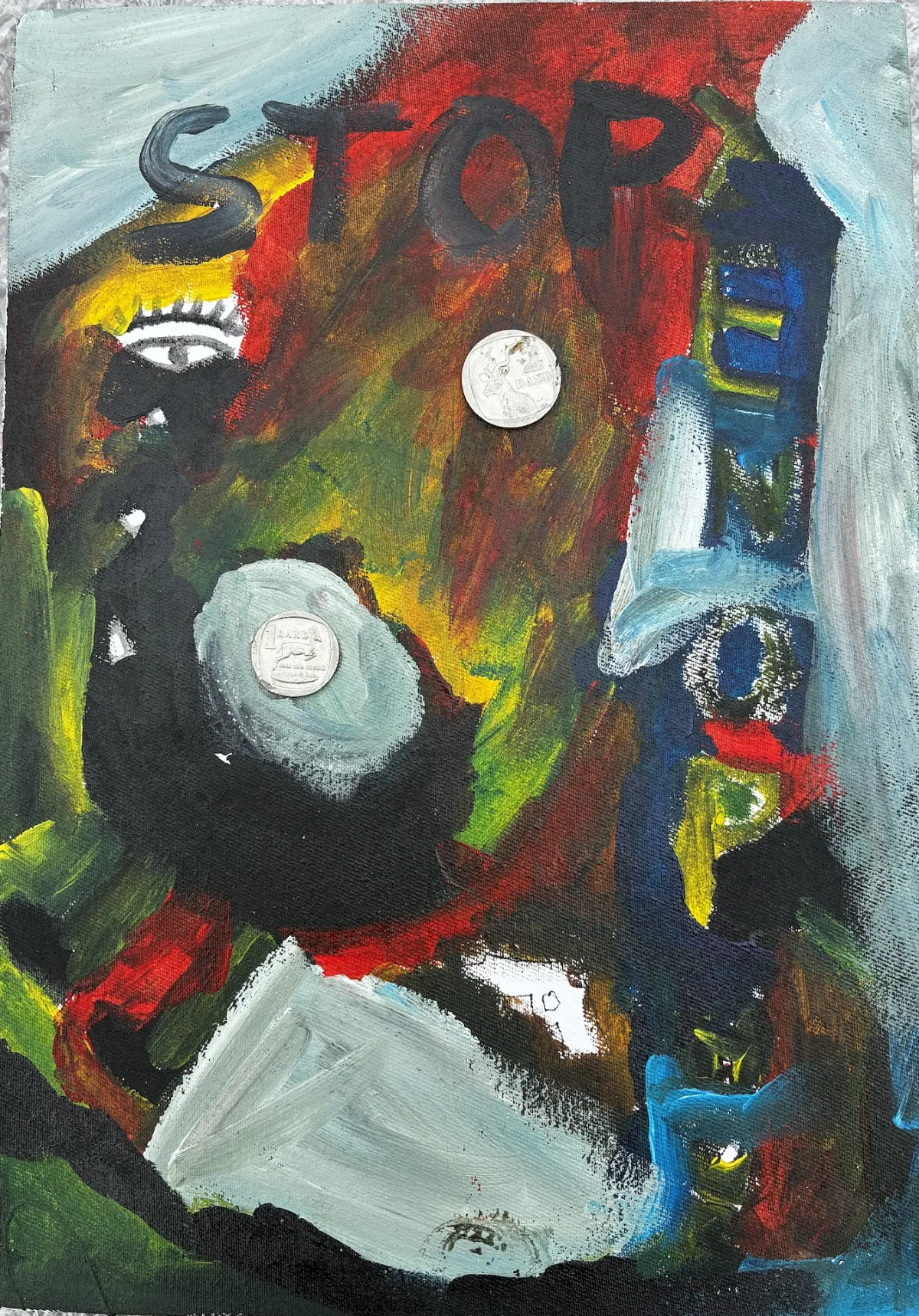
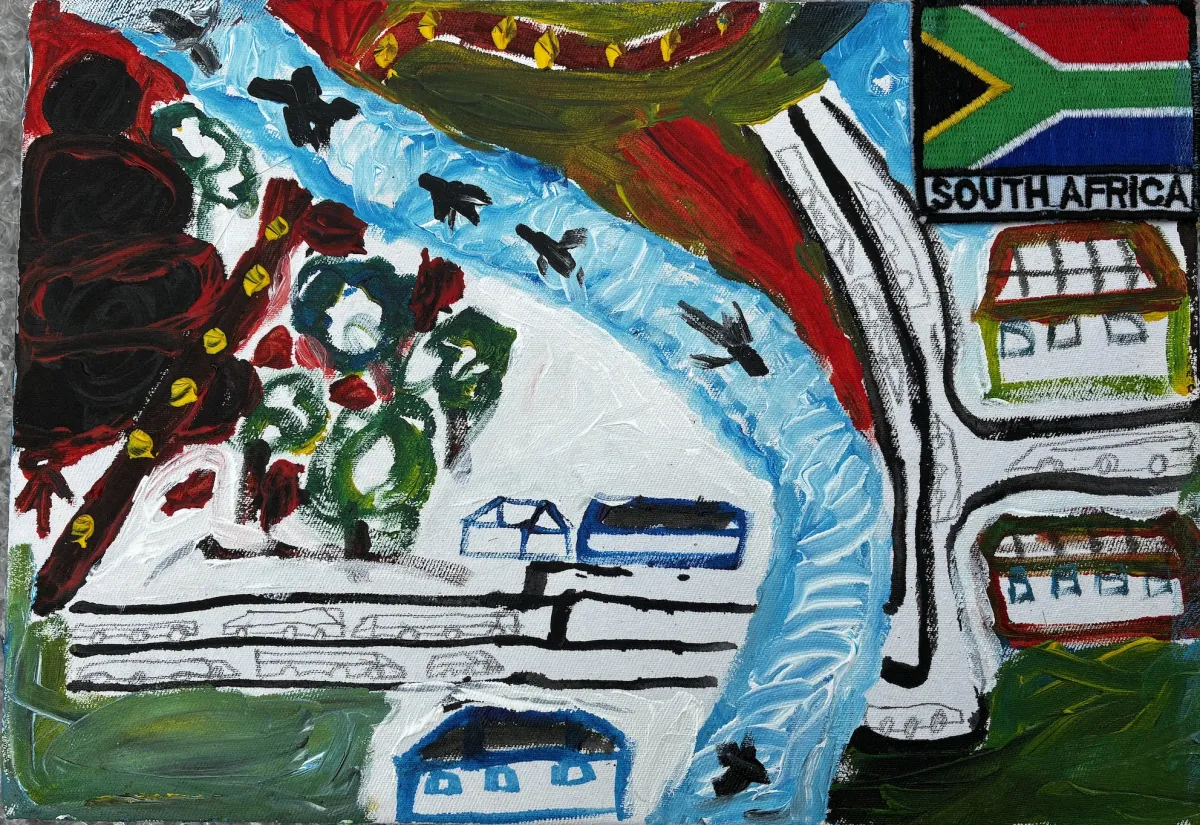
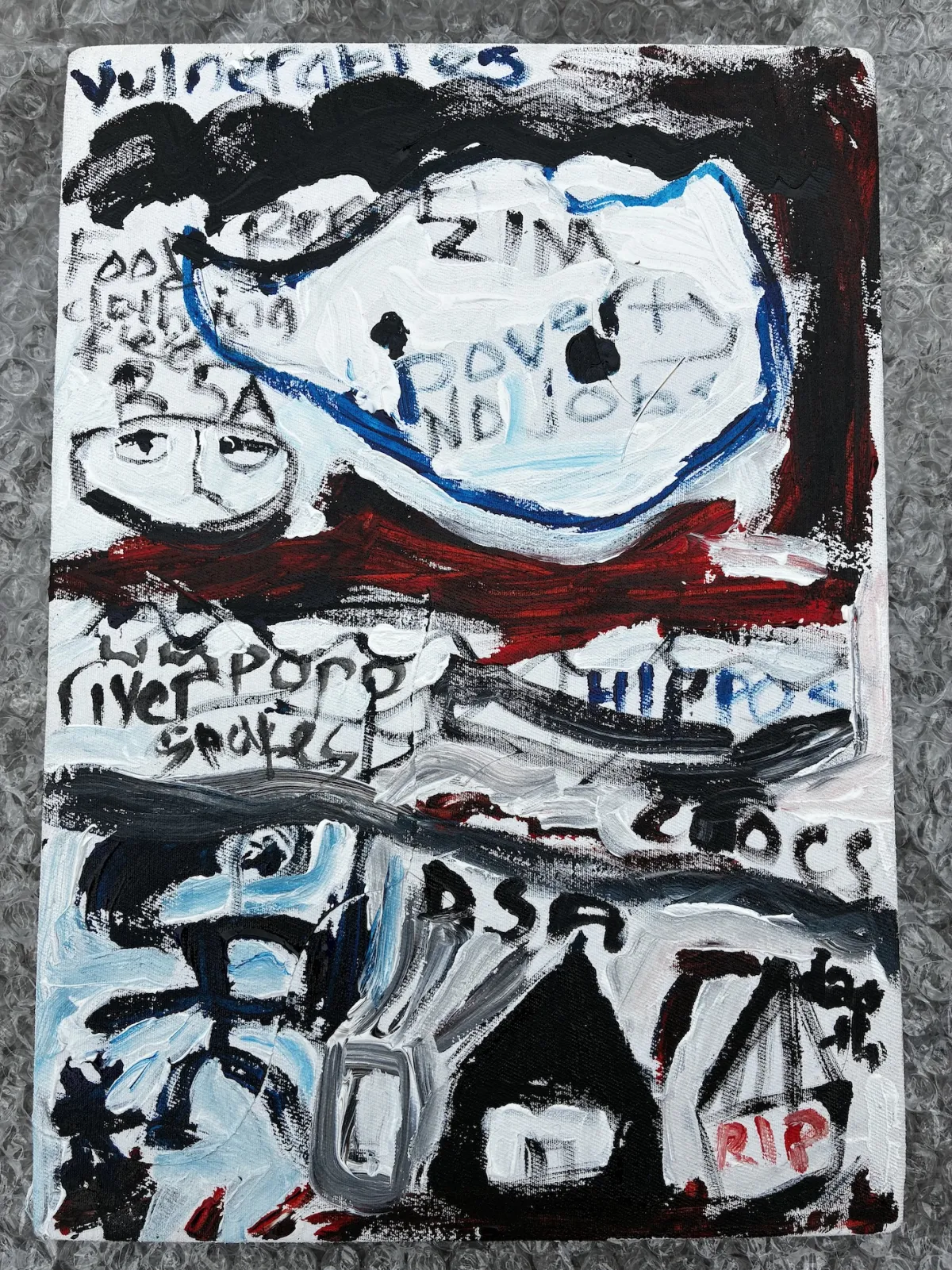
Bulawayo Conversations is a three-part podcast series exploring how migration and cross-border mobility have shaped lives in Bulawayo, past, present, and future. Combining narrative storytelling, ethnographic research, and art-based approaches, the series creates a space for dialogue across academic, activist, and community perspectives. The series is produced and co-hosted by Vusumuzi Chirwa and Saana Hansen and edited by Emmanuel Nkomo.