Research
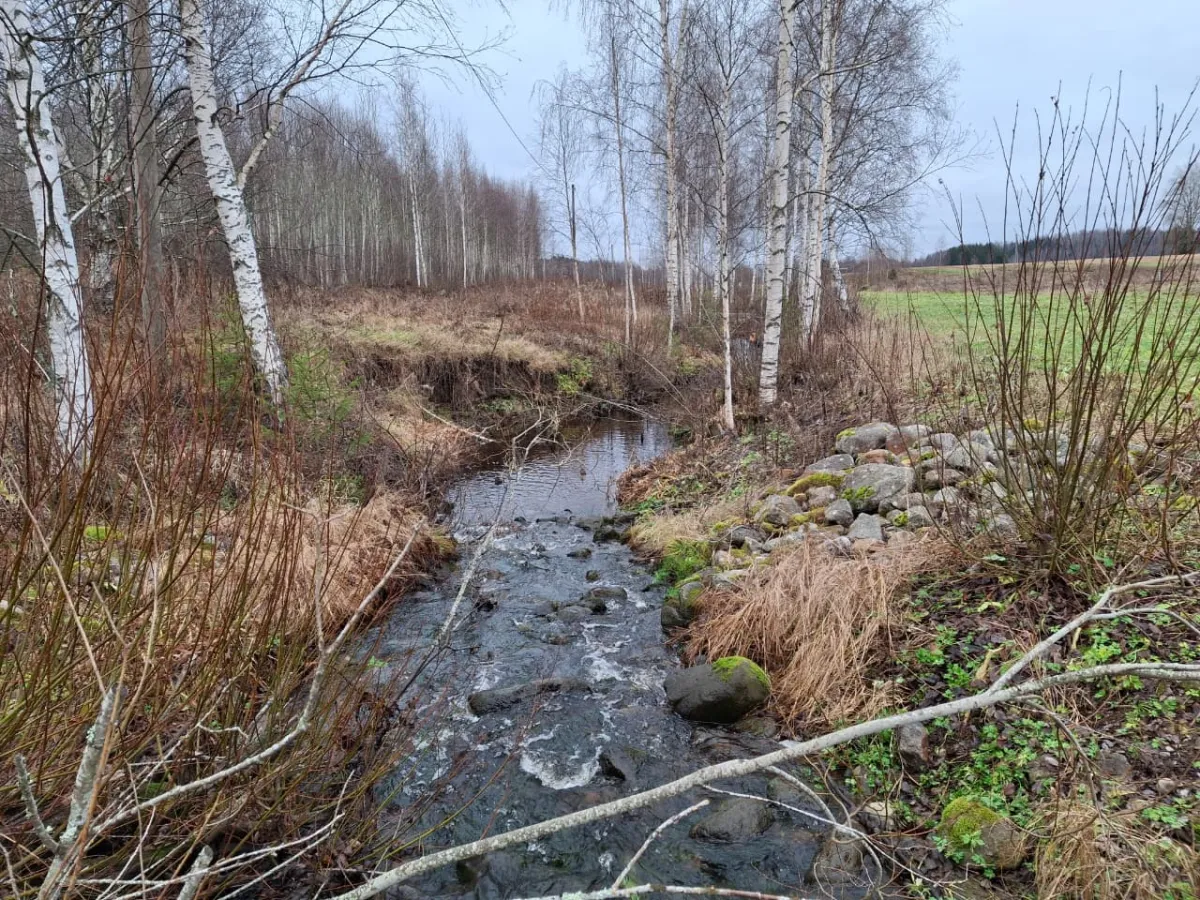
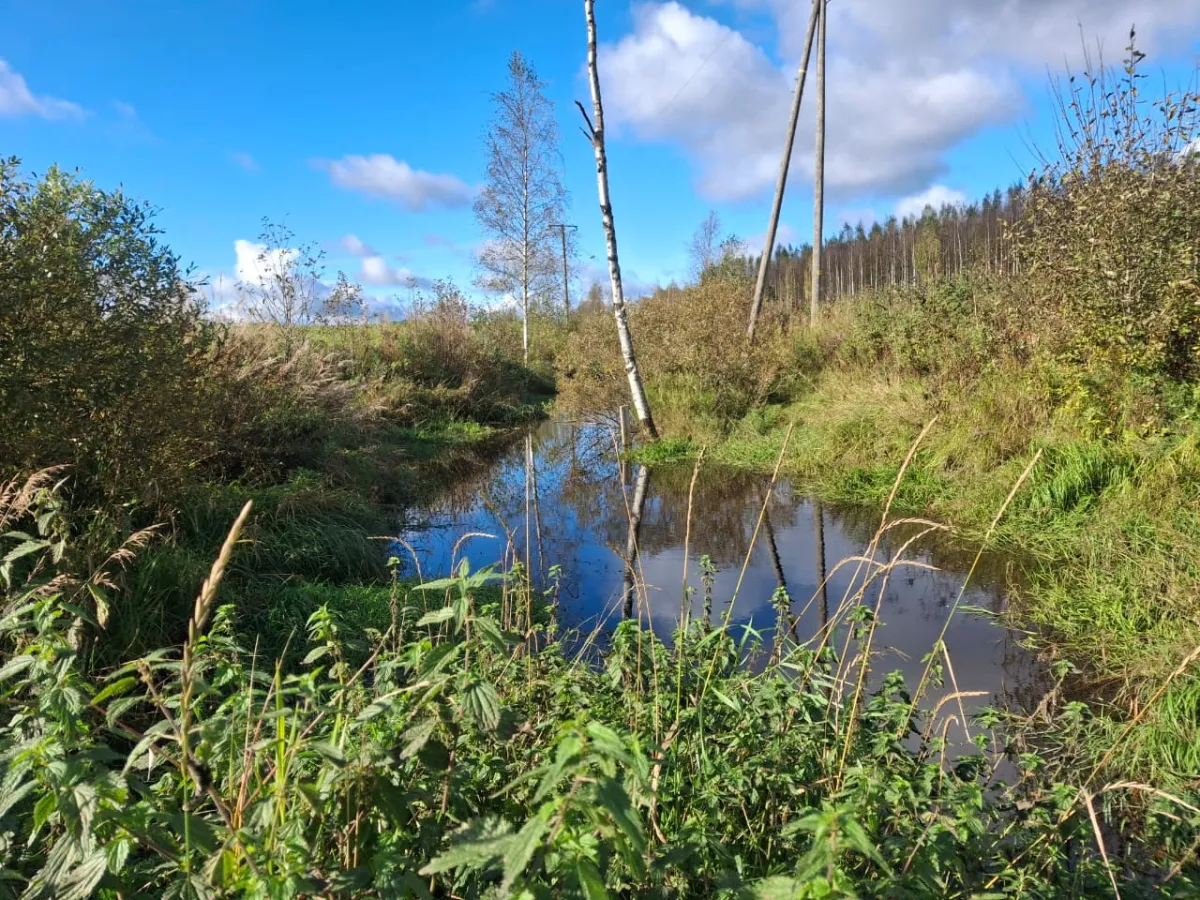
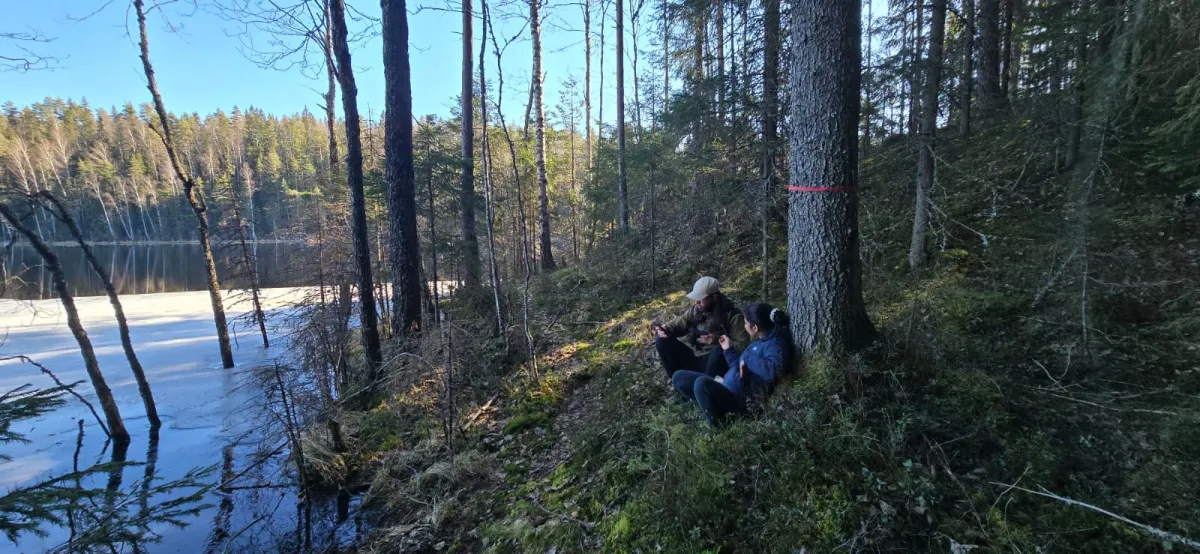
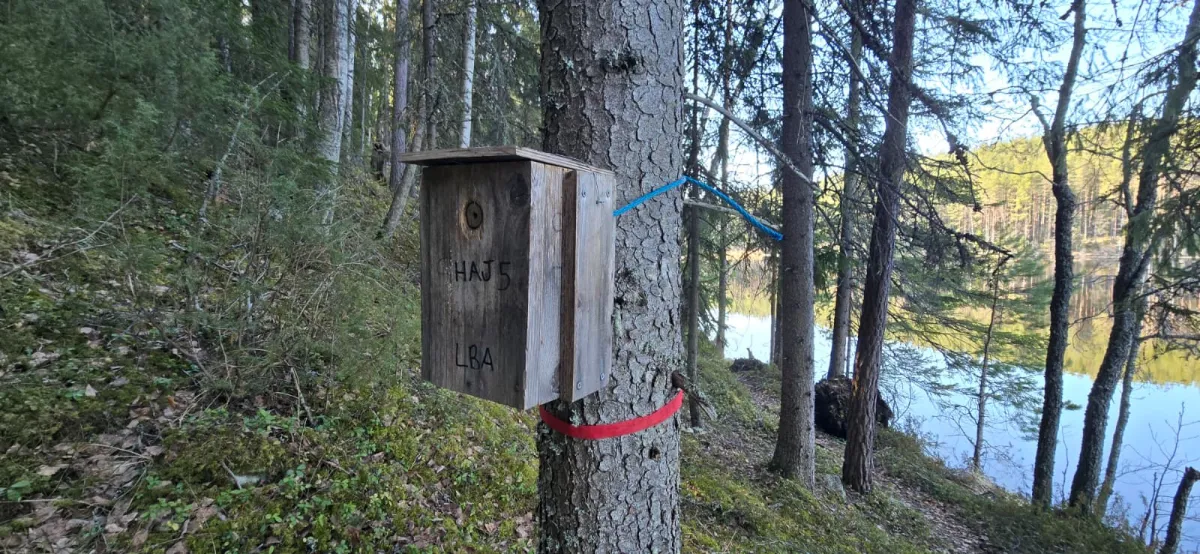
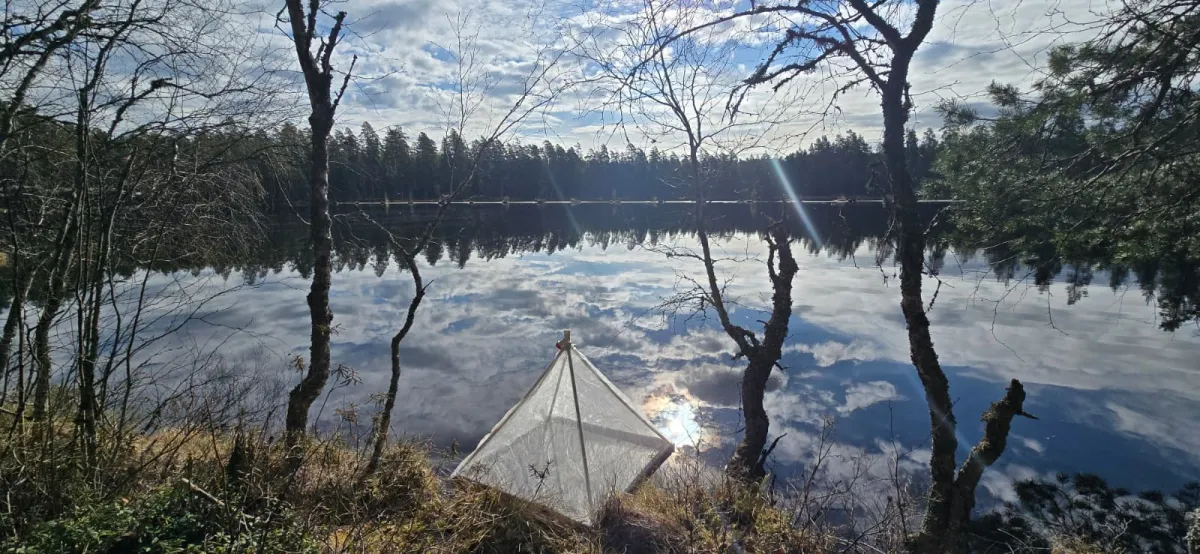
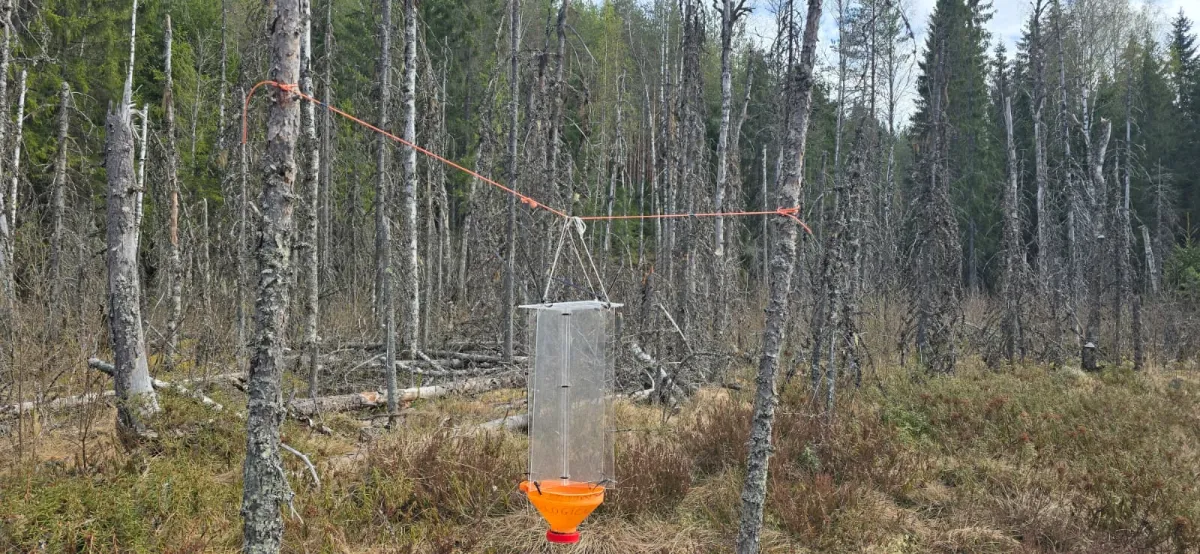
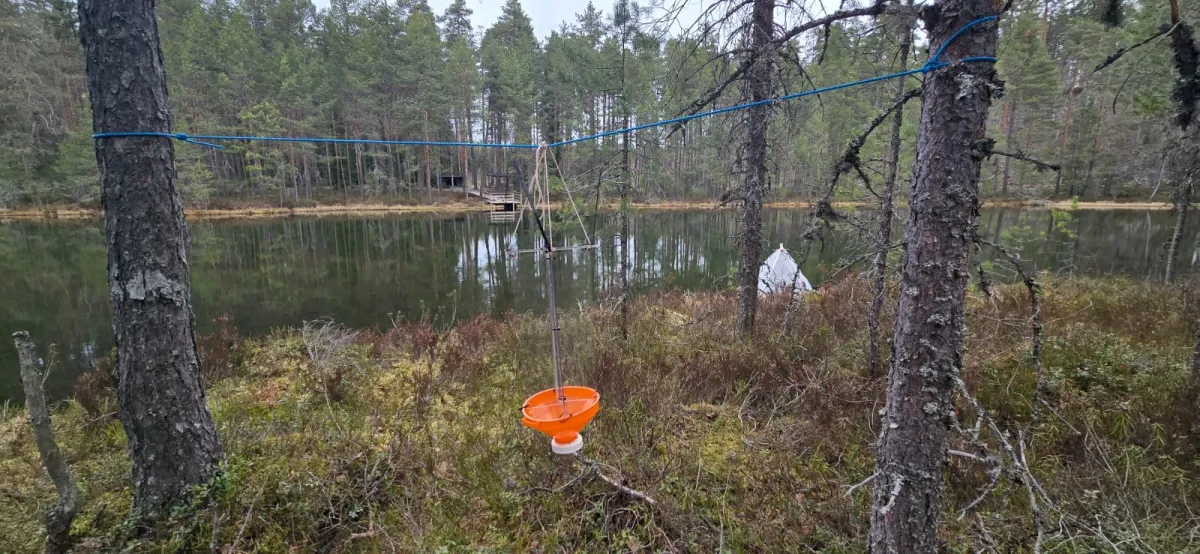
The TRACE project has a broad focus on understanding connectivity between forest and lake ecosystems using functional traits, with particular emphasis on trait dimensions related to tolerance, movement, and interaction. By integrating multi-taxa field data, trait-based ecology, experiments, and advanced statistical analyses, TRACE aims to uncover how ecological processes propagate across blue–green boundaries and shape biodiversity patterns at local to regional scales.
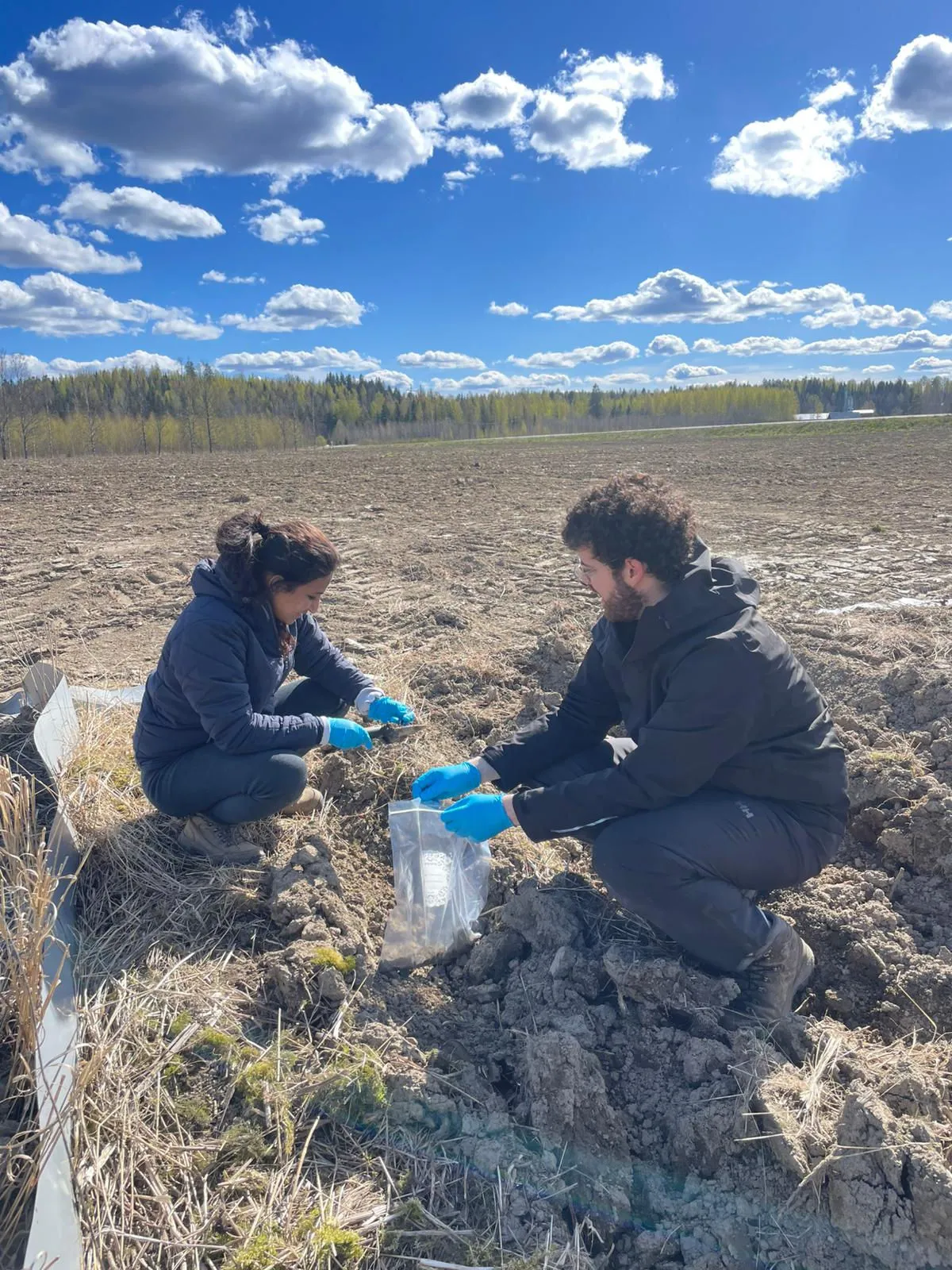
Agricultural activities impact aquatic biodiversity in the Baltic region through increased nutrient concentrations, sediment transfer and pathogen propagation. Owing to its diffuse nature, agricultural pollution is harder to mitigate than point-source pollution, leading to large parts of the Baltic region to suffer from poor water quality. Significant gaps remain in understanding how land-use changes at the catchment scale translate to spatially explicit risks to biodiversity, and how different farming practices influence aquatic communities. Using long-term data series, source tracking campaigns and experiments in controlled agricultural plots and aquatic mesocosms, we test the effects of agricultural activity on aquatic freshwater biodiversity. Ultimately, the purpose of the project is to explore potential strategies for the mitigation of water pollution while promoting sustainable agricultural practices. The WSSP project is co-funded by the European Union Interreg Central Baltic Programme.