The Nightingale mentoring programme
Pupils aged 9 to 12 are paired with mentors who study at the University of Helsinki, Hanken School of Economics, Arcada University of Applied Sciences, University of the Arts Helsinki or Aalto University.
- The children and mentors meet once a week after school for about two or three hours between October and May.
- Each pair decides what they would like to do. The activities are usually simple and, in most cases, inexpensive. Joint cost-free events are also organised.
- The mentoring programme is free of charge and open to pupils in the partner schools.
The programme has received funding from Svenska Folkskolans vänner (SFV), the Swedish Cultural Foundation in Finland, the Tre Smeder foundation and the foundation Brita Maria Renlunds minne. Sponsors include Svenska Teatern (the Swedish Theatre), Ateneum Art Museum and Amos Rex.
With Nightingale, the University of Helsinki fosters interest in higher education among children and adolescents, while supporting the educational paths of children from varied backgrounds, as outlined in the University’s strategic plan for 2021–2030.
For the participants, Nightingale offers mutual benefits.
- The child gains confidence and an adult role model with a higher education background and is supported in moving around and integrating into life in Helsinki.
- The mentor discovers Helsinki together with a child from a potentially different background. The student also develops capabilities that supplement their university studies, such as leadership, problem-solving and social interaction skills.
The Nightingale concept was originally developed at Malmö University. To date, the programme has expanded to 24 higher education institutions in countries including Finland, Sweden, Spain and Ghana. The University of Helsinki has joined higher education institutions from other countries as a member of the international
The children and mentors meet once a week after school for about two or three hours between October and May.
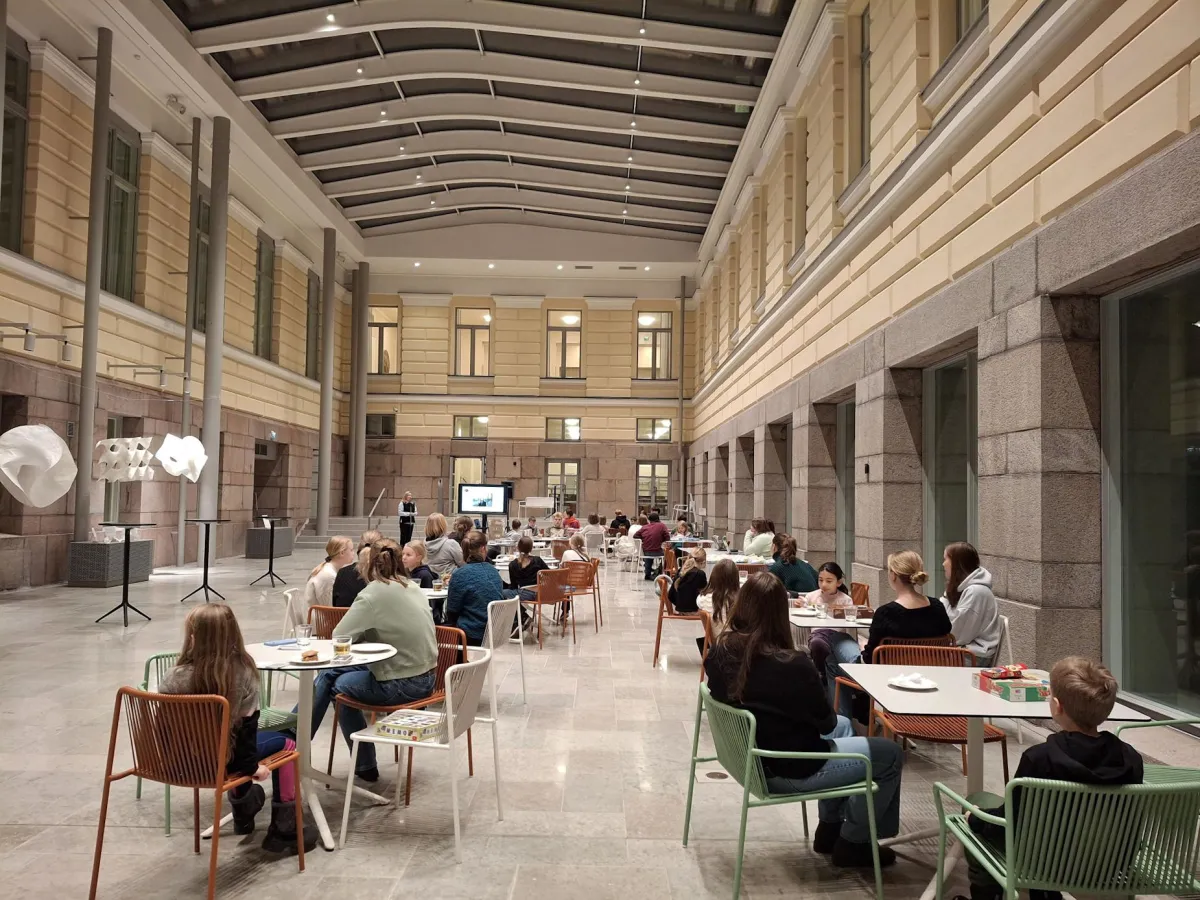
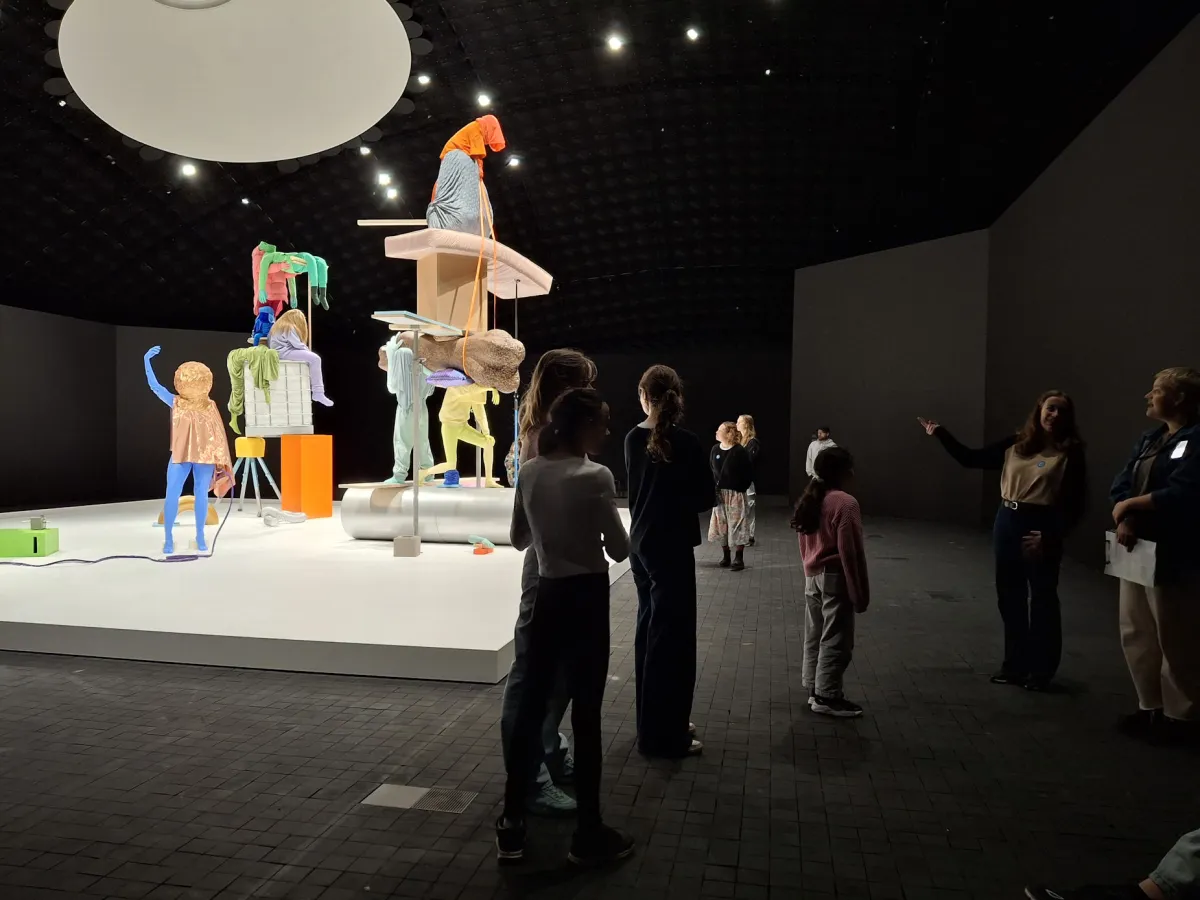
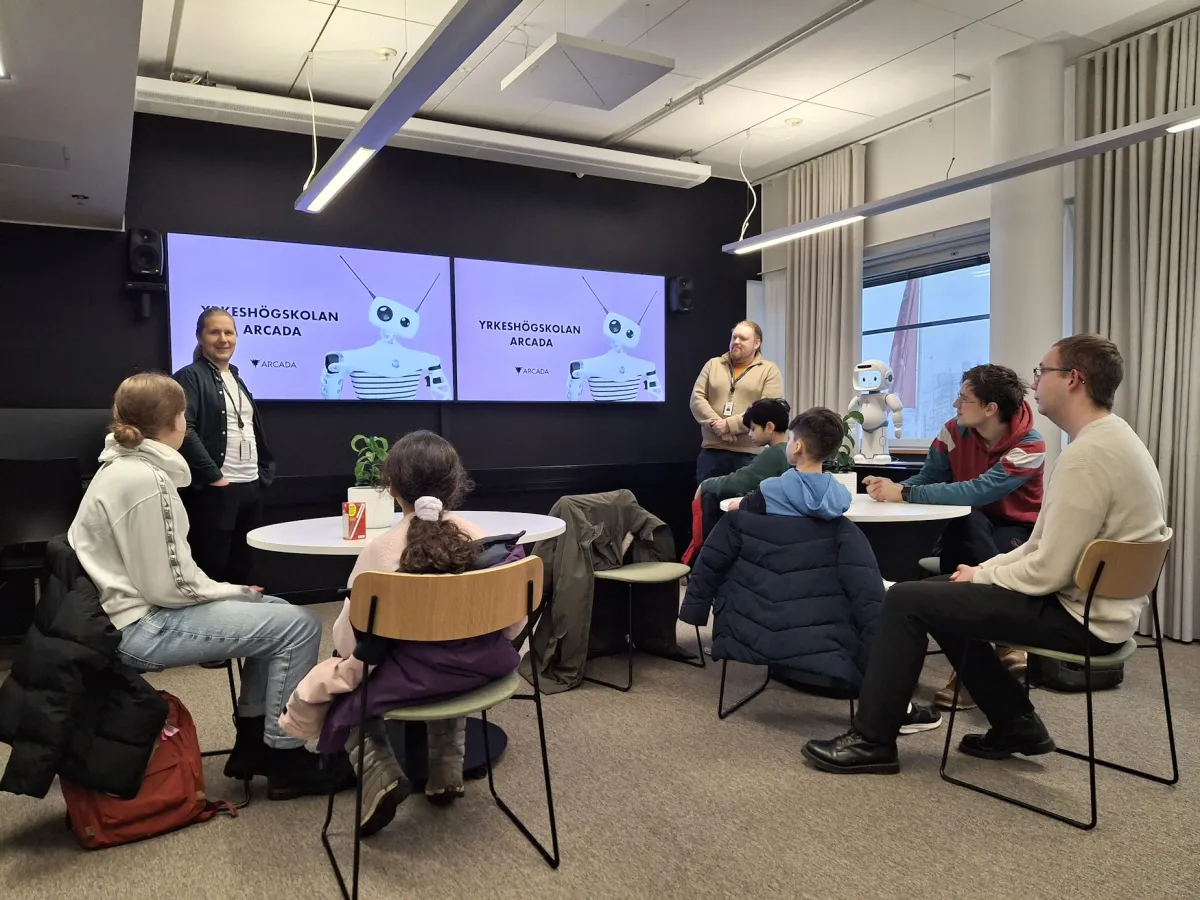
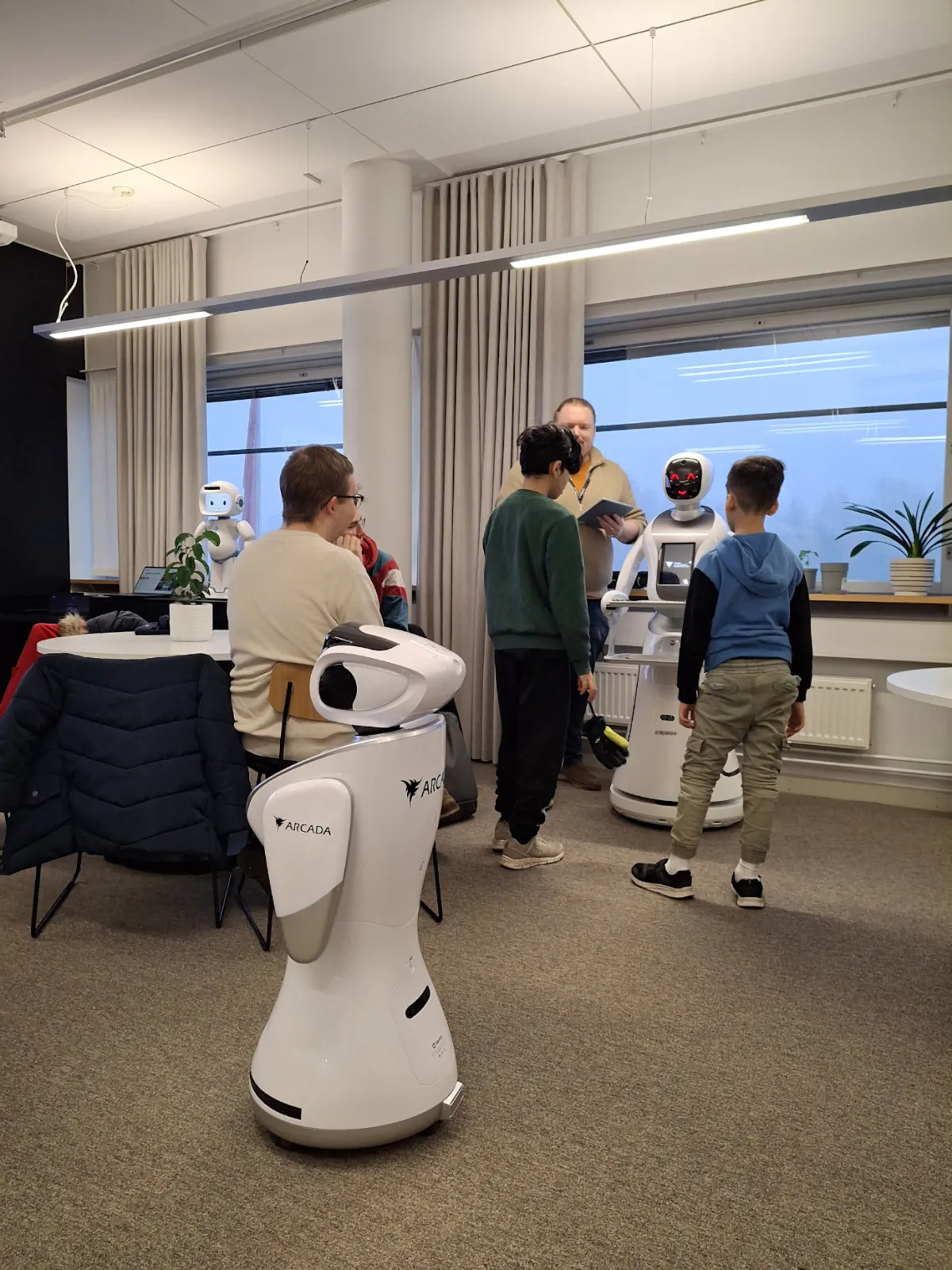
Each pair plans their meetings together. Activities may include museum or café visits, sports, music, theatre, crafts or baking.
Programme staff also invite participants to activities. Participants have had the chance to visit museums, theatres and escape rooms, for instance.
Nightingale staff also organise joint opening and closing sessions.
Example meeting (two hours)
- The mentor and the child or the child’s guardian agree in advance on a routine, including set meeting times. This helps both parties stay on track.
- If the child is young, the mentor collects them from home or school; if older, the mentor meets them at an agreed location.
- The participants agree on what to do, such as visit the Natural History Museum and grab a snack at the café.
- The mentor then takes the child (if young) home or sees them (if old enough to travel independently) onto public transport.
Students of the University of Helsinki, Hanken, Arcada, the University of the Arts Helsinki and Aalto University can apply to become Nightingale mentors.
Applications are accepted in the spring and autumn. Applicants must attend an interview and submit an extract from the criminal records along with two references.
The Nightingale course (5 cr) includes meetings with the child, training, guidance and written assignments. Mentors receive a fee – along with unique experiences.
Becoming a Nightingale mentor provides students with new insights and experiences. Below, Jennifer, Patrik, Katja and Axel describe what it is like to mentor a child and what they have learned.
For more mentor stories, see the Instagram account
Jennifer Wahlroos, a University of Helsinki class teacher student, was a Nightingale mentor during the 2024–2025 academic year.
What did mentoring give you?
Mentoring gave me both insight into myself and valuable experiences for my future career as a class teacher. Being a safe adult figure taught me about my own strengths, built my confidence and enhanced essential skills such as communication and perceptiveness. I made great memories and feel like I did something important, which motivates me to continue influencing others positively.
Tell us about a meeting you think went well.
One successful meeting involved seeing the musical Matilda at Svenska Teatern. During the performance, my mentee leaned on my shoulder, which gave me the strong impression that I had successfully showed her she could trust me and that she really felt safe in my company. The musical itself was fantastic, which contributed to a memorable experience. It felt like a perfect combination of good entertainment and a deeper connection between us.
Patrik Backman, a University of Helsinki computer science student from Porvoo, was a Nightingale mentor during the 2024–2025 academic year.
What did mentoring give you?
Nightingale was a great experience that left me with good memories. I learned to be creative and spark curiosity in others. I also learned to assume responsibility and take the lead in meetings on my own. And I became better at communicating and knowing what to do in different social situations.
Tell us about a meeting you think went well.
One of our most successful meetings was the time we visited the Finnish Museum of Technology. Both I and my mentee were interested in the history of technology, and we had a great time discovering all the fascinating things the museum had to offer. But I was surprised that the chess board in one of the rooms turned out to be the highlight of our visit, especially as neither of us had played before. We had a lot of fun anyway!
Katja Saanila, a University of Helsinki film and television studies student, was a Nightingale mentor during the 2024–2025 academic year.
What did mentoring give you?
I feel that my relationship with my young mentee – and the trust she placed in me as a safe adult – helped strengthen my self-image. We’ve developed a strong and fun relationship, which means I look forward to each Tuesday we spend together. I’ve had the chance to practise and develop my ability to not only be boisterous and playful but also communicate clearly.
Tell us about a meeting you think went well.
We had a particularly fun meeting when my mentee visited me at home. She loves animals and had the chance to cuddle our two cats for as long as she wanted. Then we cooked together and ended the evening by playing Mario Kart.
Medical student Axel Broman from Kirkkonummi was a Nightingale mentor during the 2024–2025 academic year.
What did mentoring give you?
At first, I had no idea what type of mentor I would be or wanted to be. But through mentoring I became more confident in being myself as an adult and strengthened my skills in offering guidance. I learned to explain things patiently, listen even when I didn’t fully understand and solve problems quickly. Nightingale was also a unique opportunity to see the world through the eyes of a child whose circumstances are very different from my own.
Tell us about a meeting you think went well.
Our first great meeting was a visit to a music studio in a library. My mentee hadn’t asked for anything like it, but I’d noticed he would often hum a tune in the metro. It was great fun seeing how, after the initial shock, he came to life when he got to sing with a microphone and totally lost track of time. Since then, we’ve of course returned to the studio with the goal of recording a song of our own.
The children participating in the Nightingale mentoring programme are chosen from its four partner schools in Helsinki: Botby Comprehensive School, Hoplaxskolan School, Nordsjö Primary School and Staffansby Primary School, Pihkapuisto Primary School and Kontula Primary School.
Each school has a contact person responsible for communication between the University of Helsinki, the school and the guardians.
Below is information about the mentoring programme in different languages:
- English:
- Swedish:
- Swedish:
- Finnish:
- Russian:
- Albanian:
- Somali:
Evening briefings
At each school there is an evening briefing. For admission to the programme, children and their guardians must attend one of the briefings.
Upcoming info meetings will be published on this page.
Science education and academic outreach for children and the youth
University of Helsinki's degree programmes
Nightingale is aimed at pupils in their third to sixth school years at our four partner schools who meet at least one of the following criteria:
- They come from a family without an academic background.
- They have an immigrant background.
- They would benefit from another safe adult role model.
Nightingale is a University of Helsinki initiative supporting children who research indicates may encounter higher hurdles to applying for higher education later on.
The application period for children is always in the autumn. We will publish information about the next application period later on.
Below you can see what the application process looks like.